
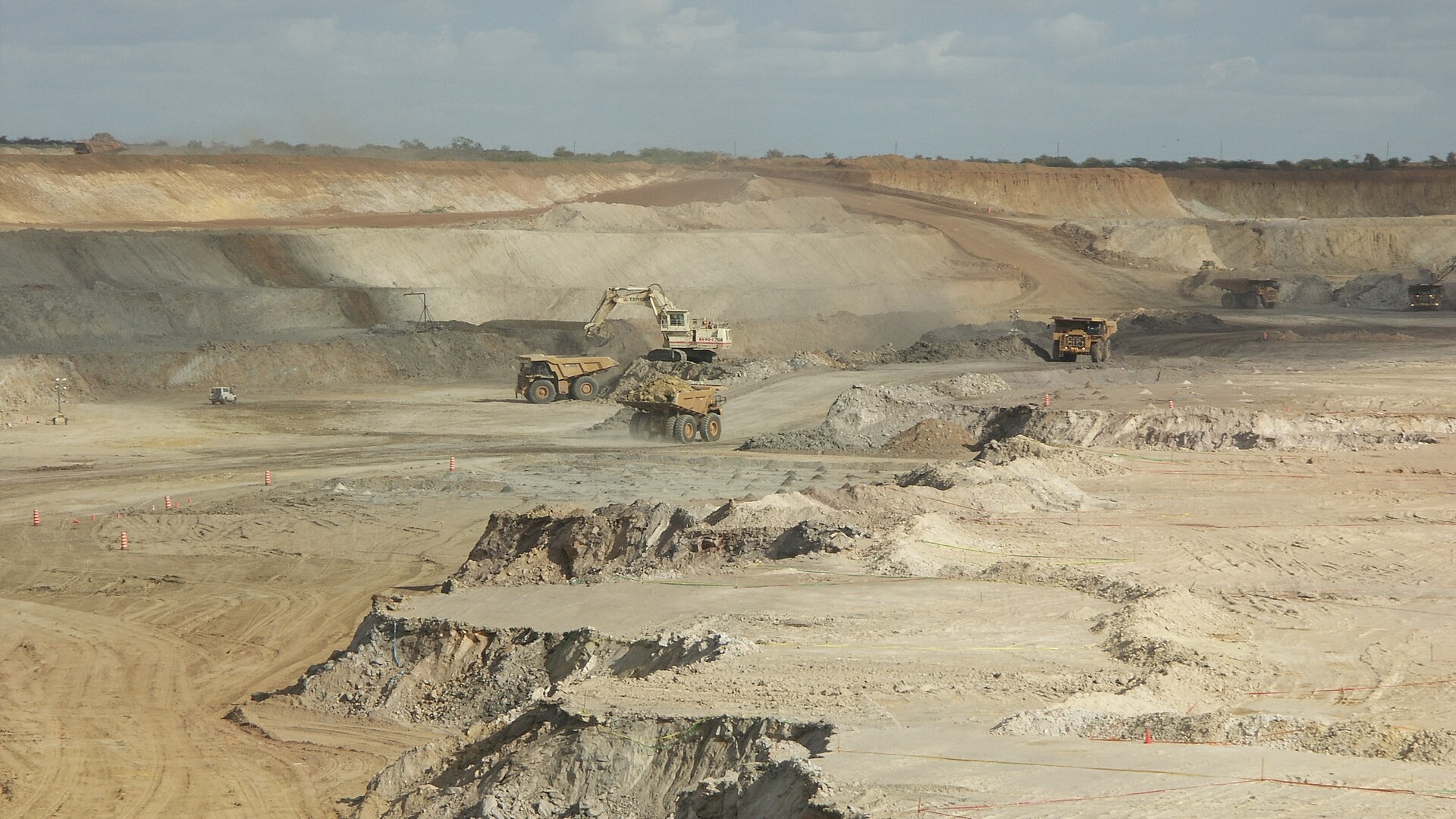
Financed by surpluses generated when international mineral prices rise above the state-set benchmark, the fund will not be used for short-term budgetary expenditure, but ring-fenced for long-term, strategic infrastructural and industrial projects.
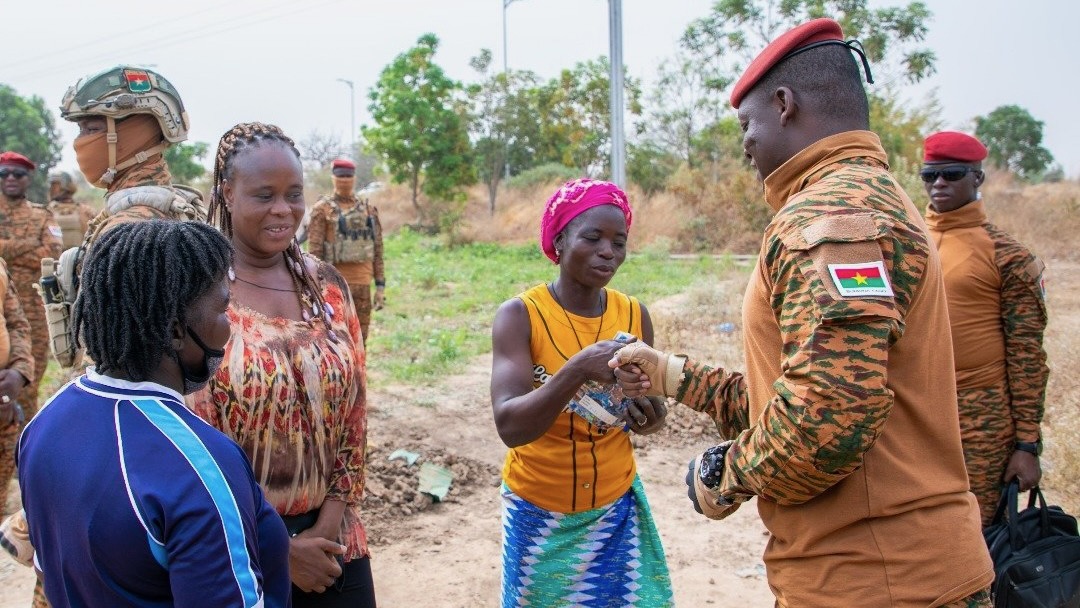
April 17 is a day that reminds us that the Burkinabé, African, and international peasantry must be the heartbeat of livelihoods in our communities and must therefore be at the center of the claims being made to sovereignty.

Recent comments by Ibrahim Traoré on democracy have spread widely in Western media following an interview, but interpretations that he rejects democracy appear to misrepresent his position.
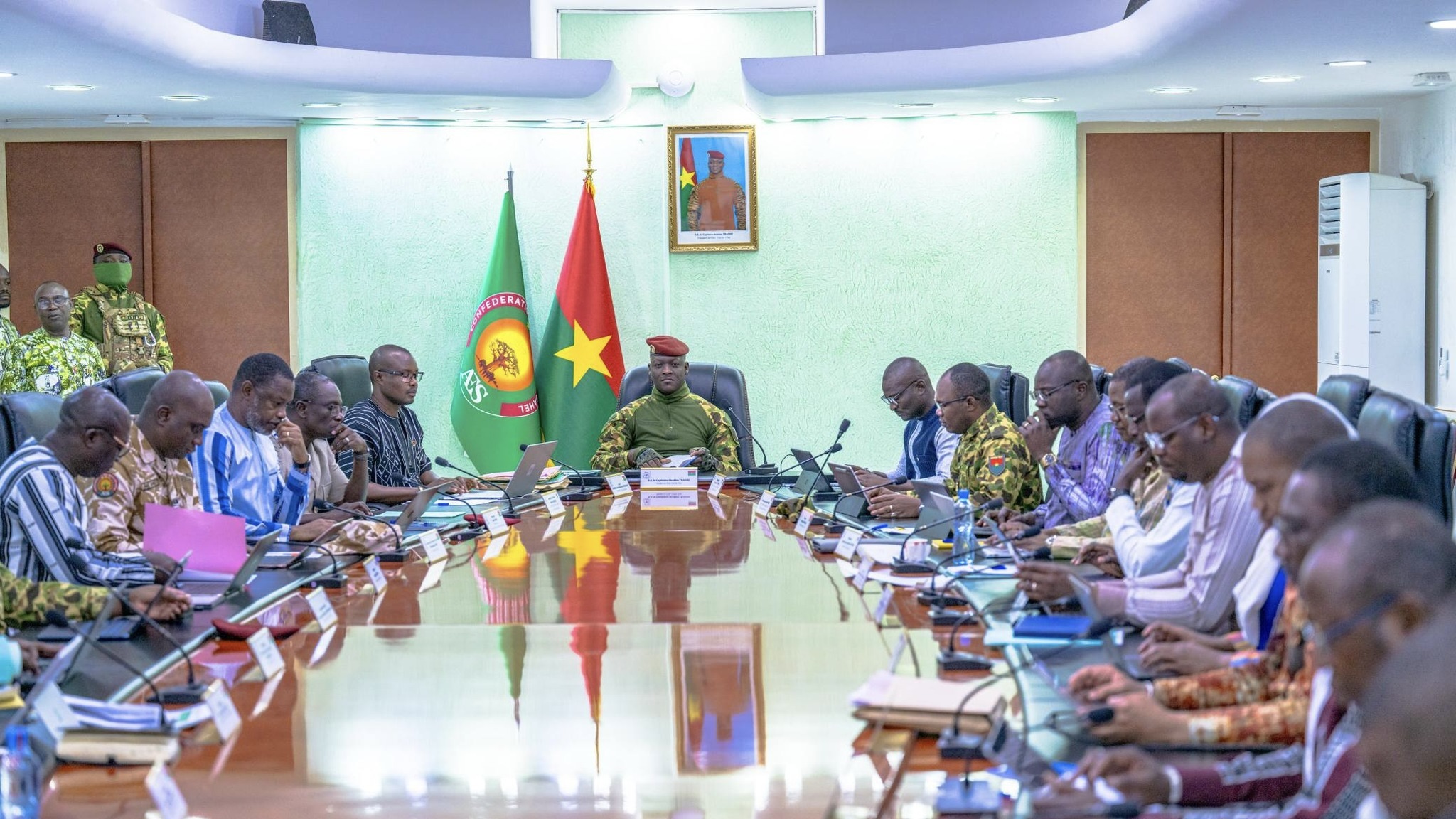
About two-thirds of the 64 billion will be raised domestically from the revenues generated by state-owned enterprises and through citizen shareholding programs.
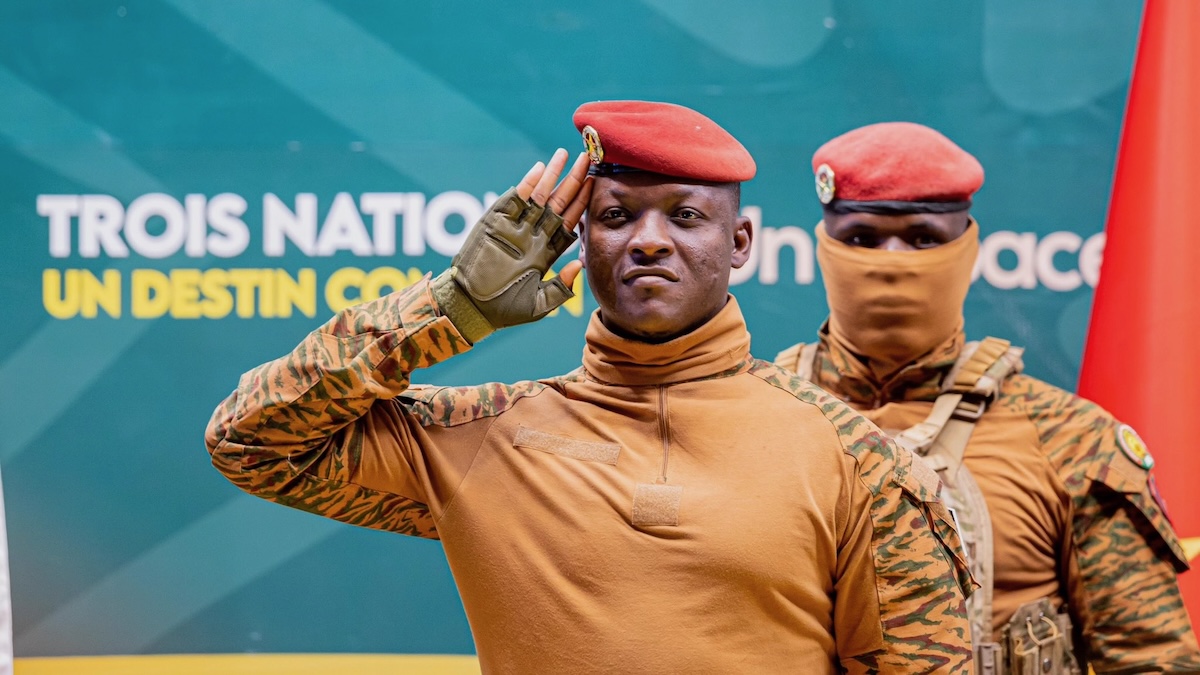
A plot to kill Burkina Faso’s president, Ibrahim Traoré, and disable a drone base, ahead of a planned foreign military intervention, was thwarted by security forces, while Burkinabes took to the streets sloganeering in support of Traoré.
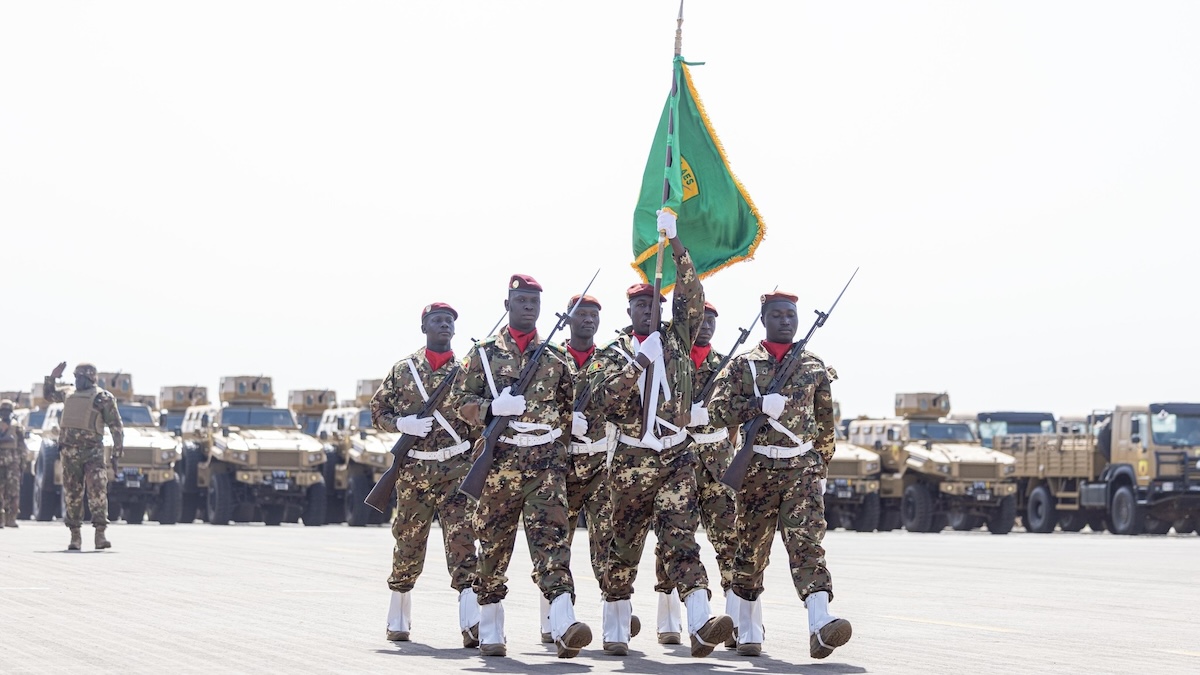
A historic turning point in Sahelian sovereignty, as Burkina Faso, Mali, and Niger bolstered their regional security through a unified military force and in the same week held its second AES summit.
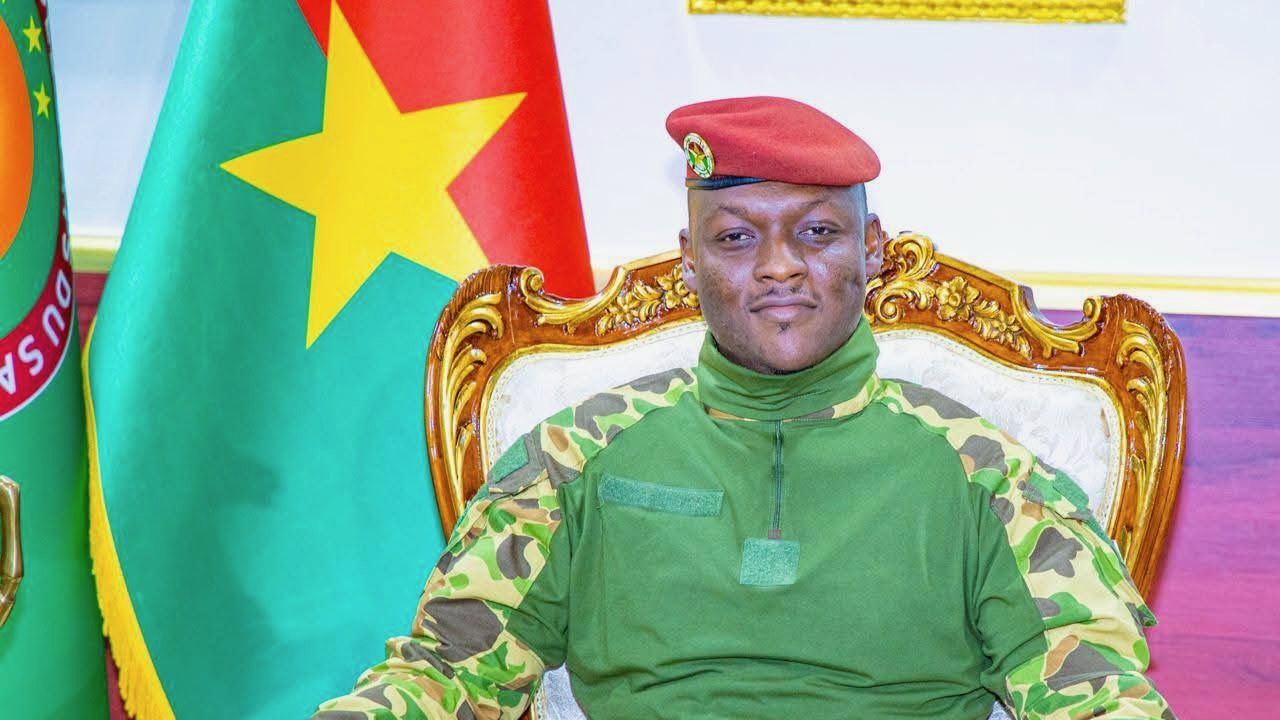
The severing of ties to the France-led judicial council, announced on December 15 as part of Burkina Faso’s broader break from Françafrique.
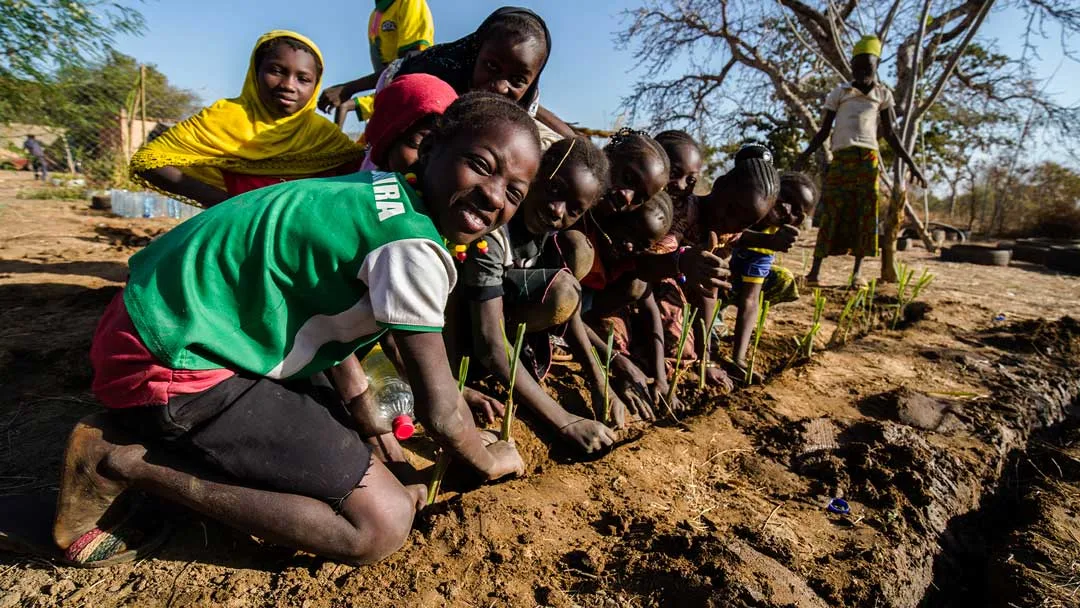
Founded by Thomas Sankara’s sister, Yelemani Association inspires the fight against desertification in Burkina Faso.

The Sahel country inaugurated an electric vehicle assembly plant in January 2025, revolutionizing the national automotive sector.
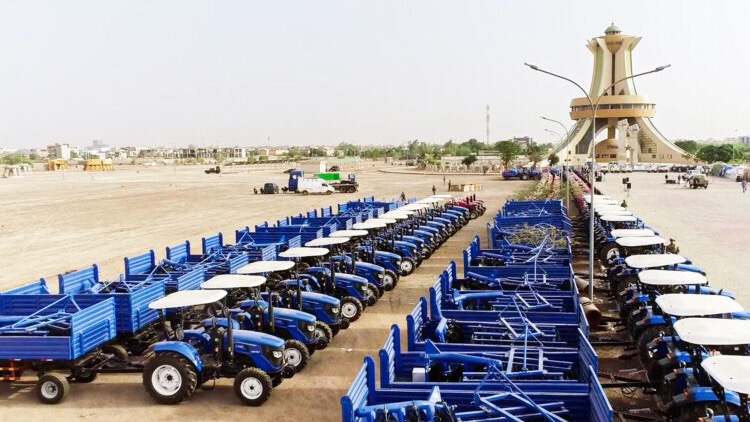
The government of Ibrahim Traoré seeks to reduce dependence on imports in a country where 80% of the population are farmers.
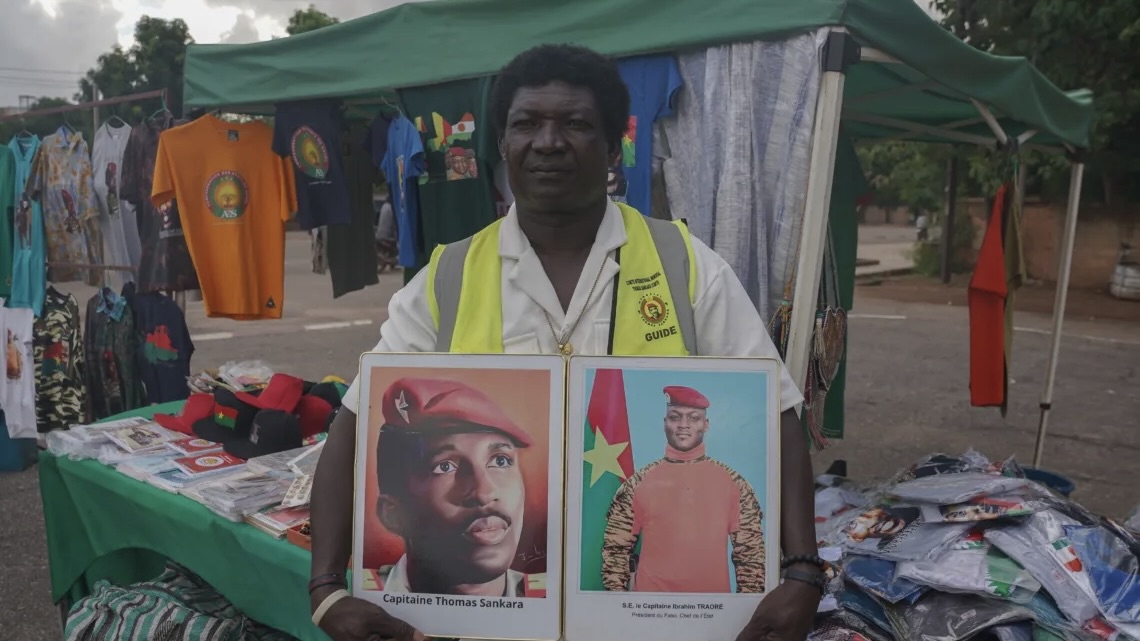
A massacre led by Blaise Compaoré, an ally of France, put an end to the 1983 revolution, which today inspires struggles in the Sahel
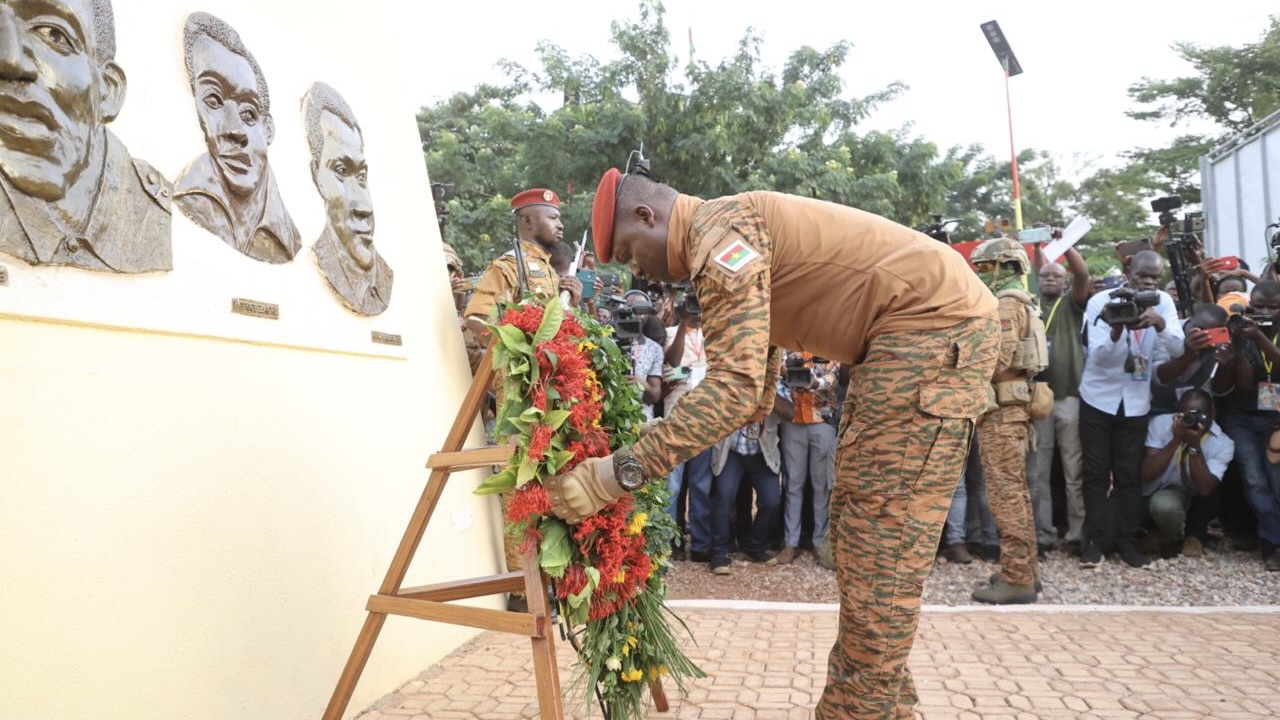
For young people, who make up 75% of Burkina Faso’s population, Sankara’s legacy lives on in the policies of the current president
- Brazil approves end to 6×1 work schedule and reduction of the work week to 40 hours
- Israel kills 31 people in Lebanon on the eve of Eid al-Adha
- Israel carries out sixth consecutive Eid massacre in Gaza
- Far-right Janez Janša to return for fourth government term in Slovenia
- With peace deal nearly final, US launches fresh attacks on Iran