

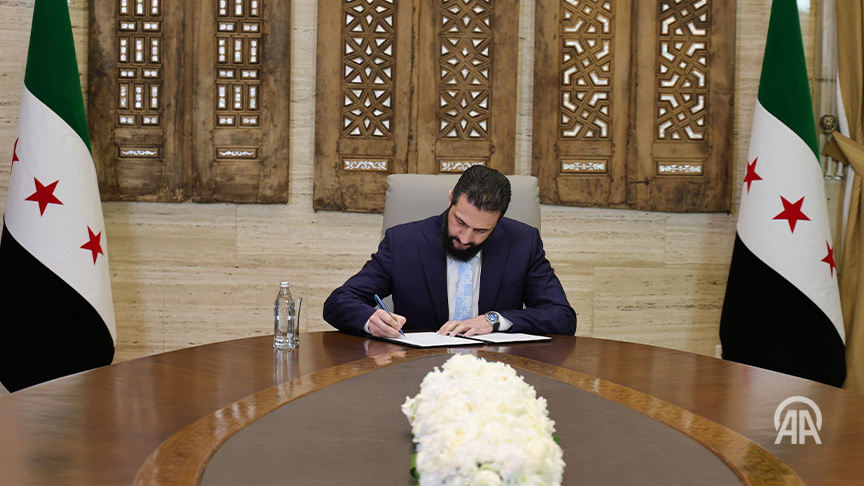
The repercussions of the infighting between the two parties has once again exposed US foreign policy, which shifts alliances based on temporary interests.
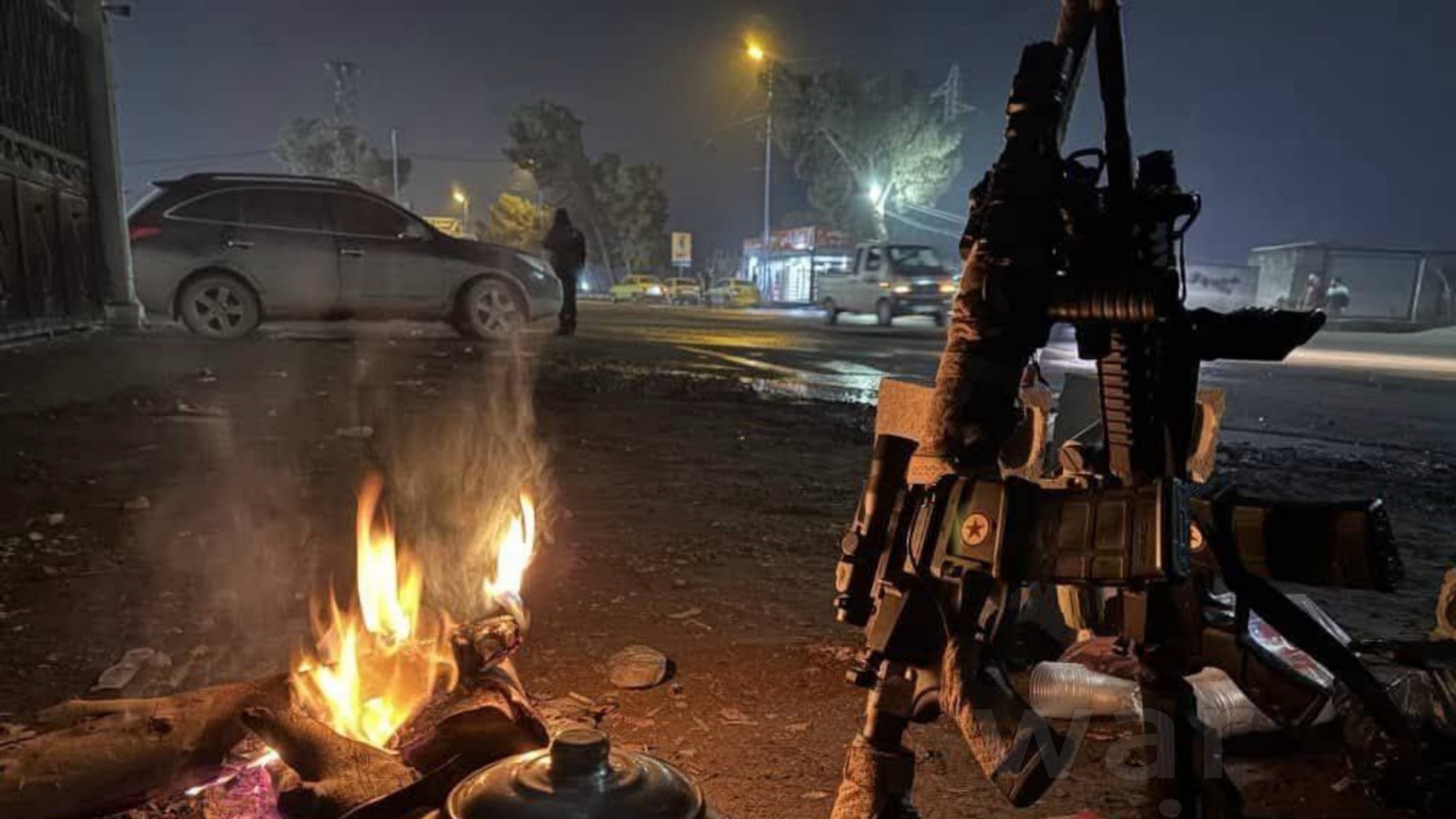
Syrian armed groups loyal to President Ahmad al-Sharaa broke the resistance of the Syrian Democratic Forces (SDF), the largely Kurdish group, but this advance can only be understood by the total backing given by the United States to the Syrian government.
The events have once again exposed the Al-Sharaa administration’s abortive attempts to bend the Kurdish-led group to its will.
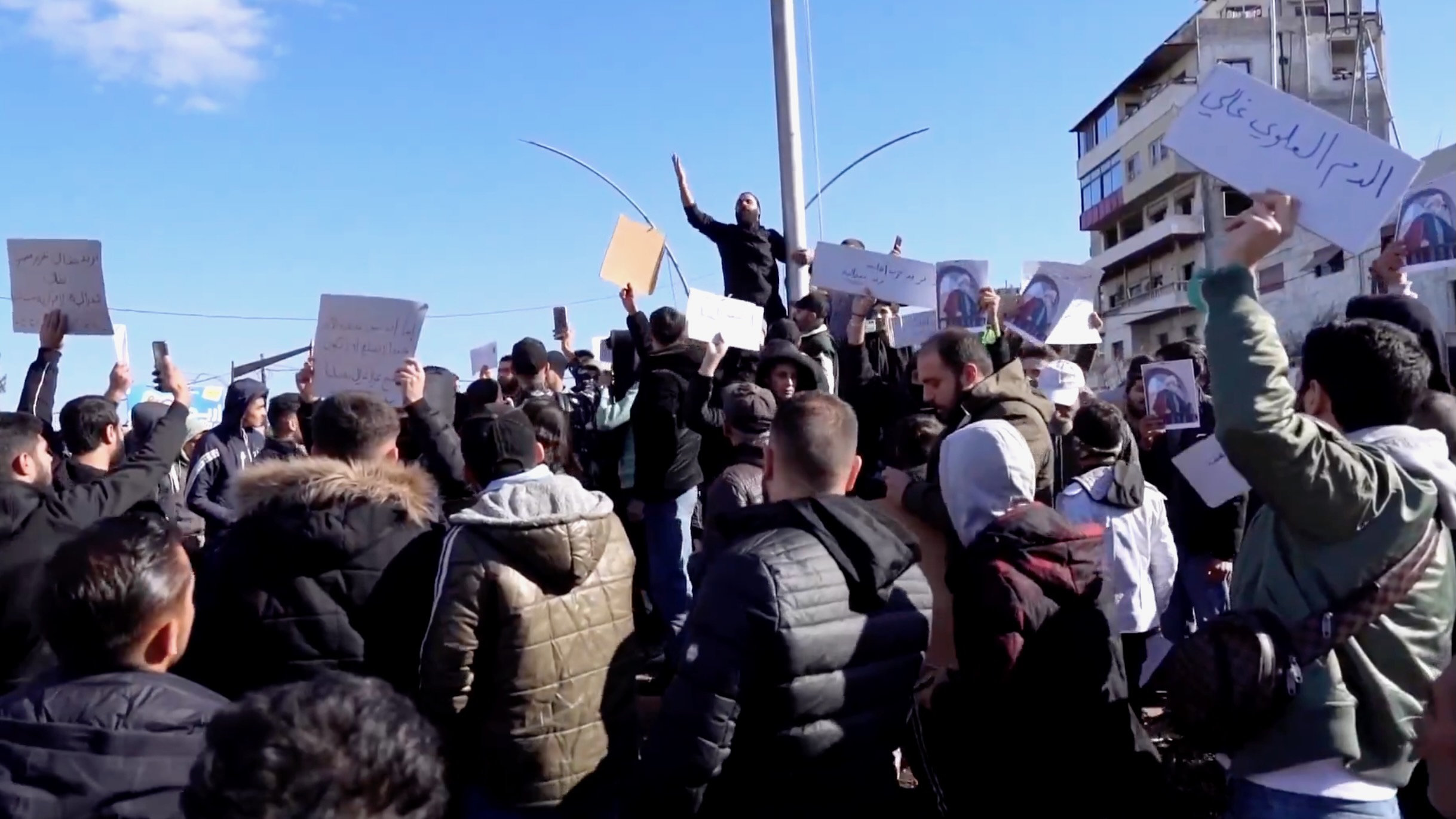
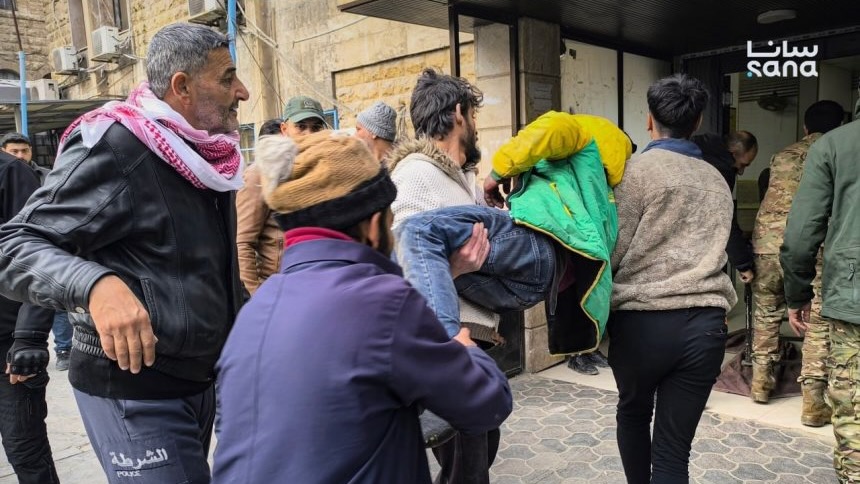
Protests erupted after a mosque bombing in an Alawite-majority neighborhood killed eight people. An ISIS splinter group claimed responsibility for the bombing only a week after the US launched a military operation purportedly against ISIS in Syria.
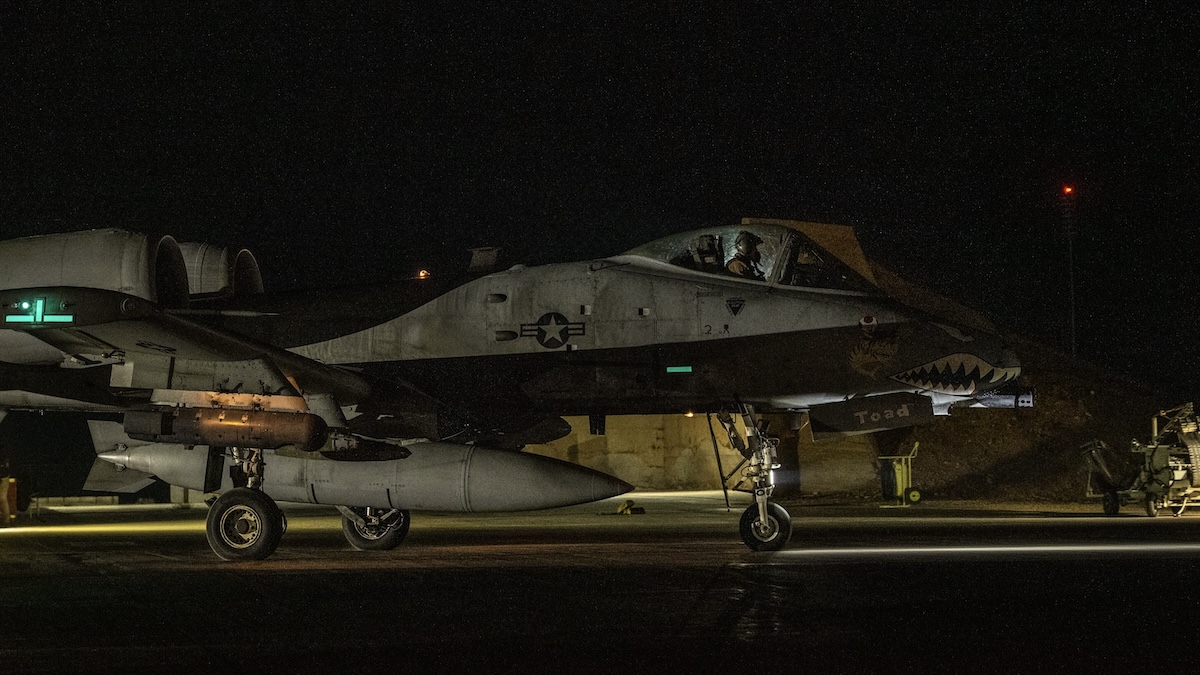
The strikes mark the onset of a prospective extensive military operation against the group, in which the US allies will supposedly take part.
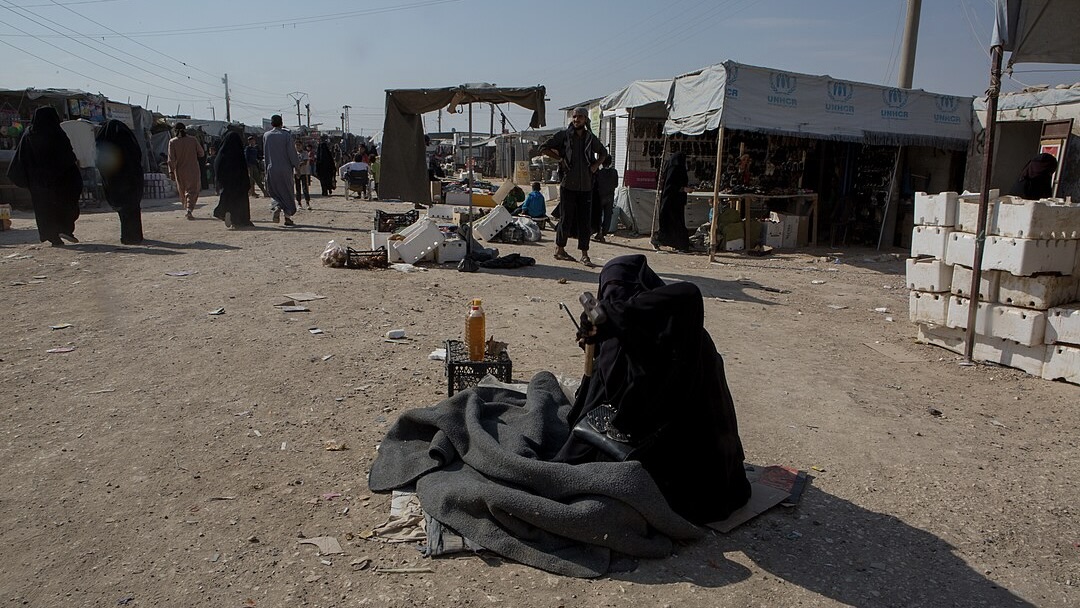
Few comprehensive studies have been conducted of the humanitarian toll that sanctions, especially those vastly strengthened through the US-imposed Caesar Act, have taken on the Syrian people amid an already devastating war.
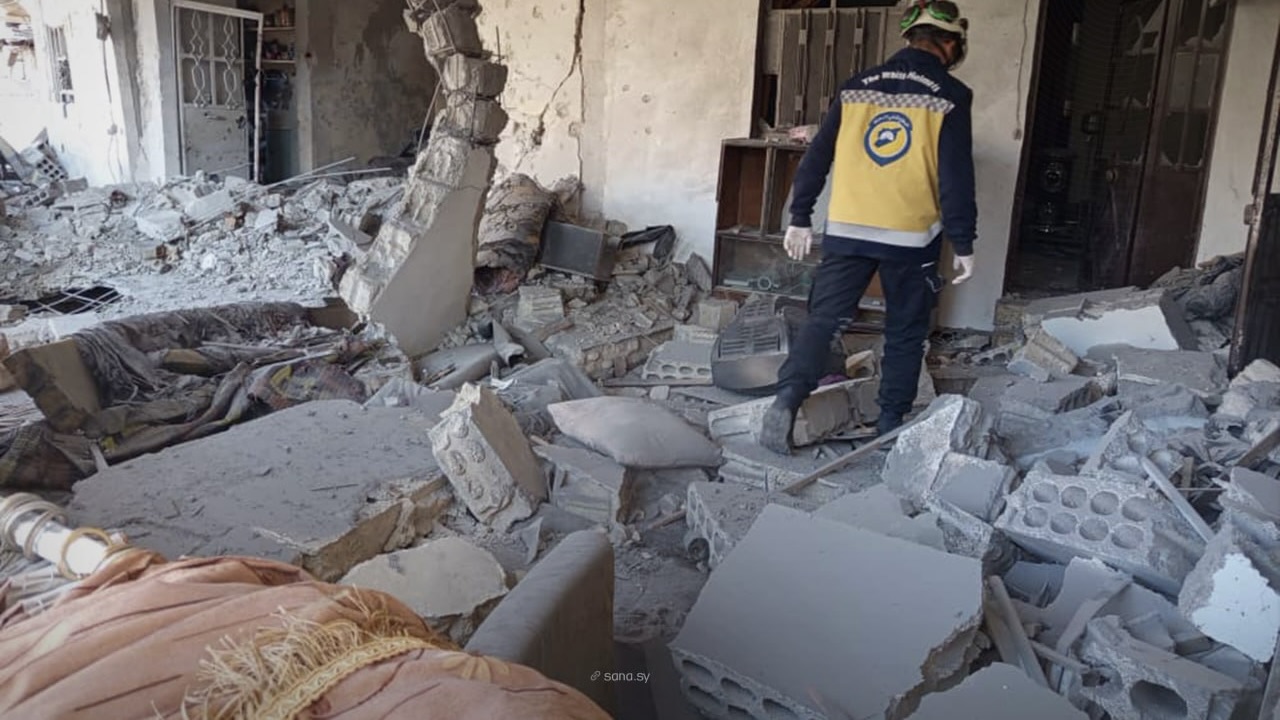
Israel has continued attacks against its neighbors, including Syria, which has been met by local resistance

Analysts argue that the recent rapprochement between Washington and Damascus triggered Israel’s infuriating move.

The visit of Syria’s interim president to Washington has once again showcased the ambivalence of US counter-terrorism policy, which changes according to temporal interests.
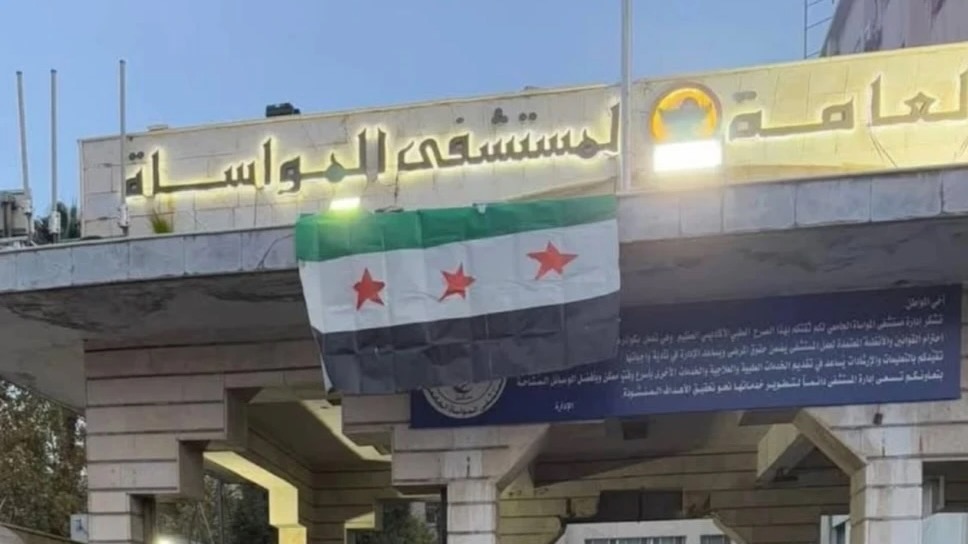
Collapsing infrastructure, shortages of medicine and supplies, dwindling qualified staff, and the closure of medical facilities are pushing Syria’s healthcare system to the brink.
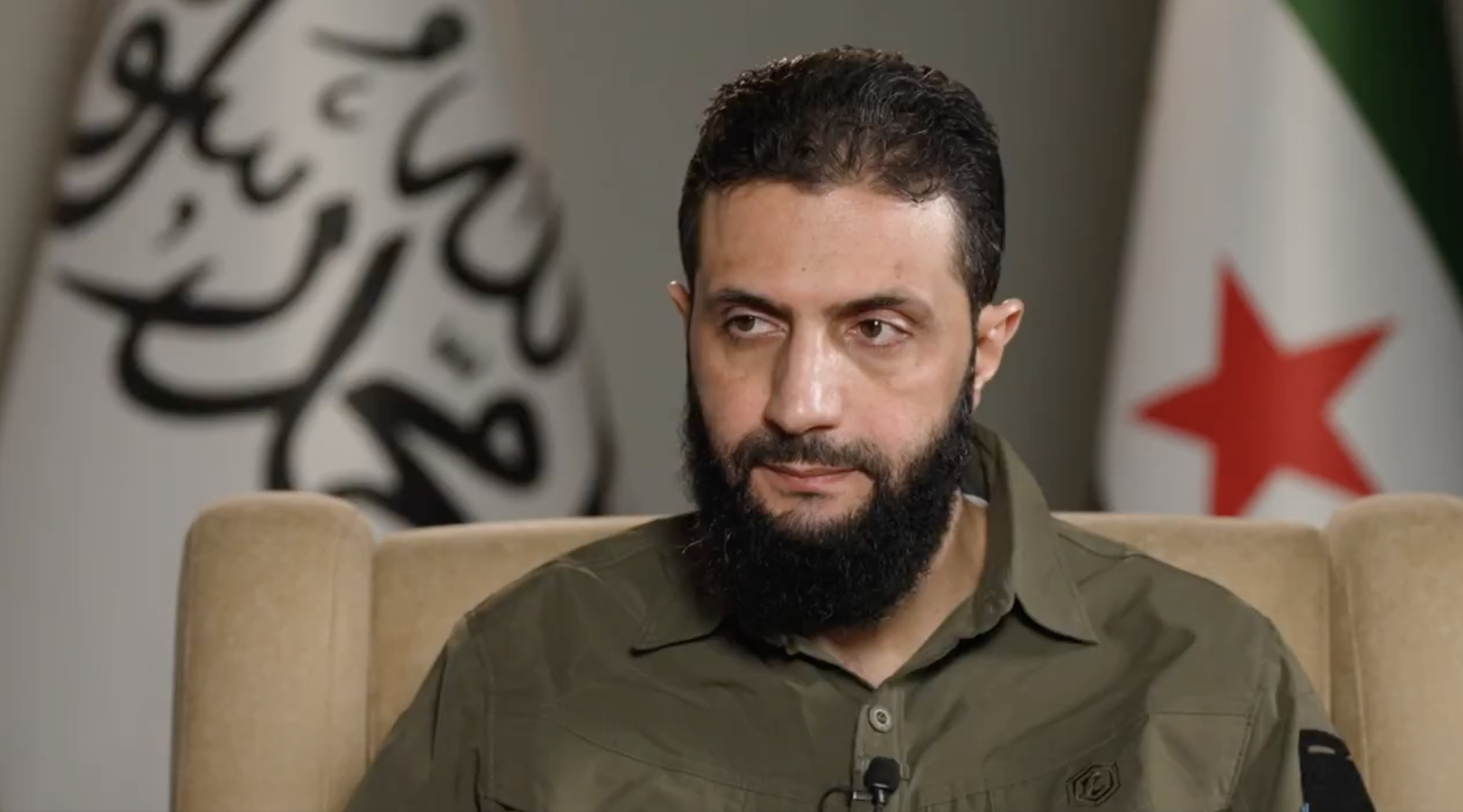
Since Ahmad al-Sharaa took over in Syria, the Damascus government has been given carte blanche to use maximum force against any threat to its continued rule
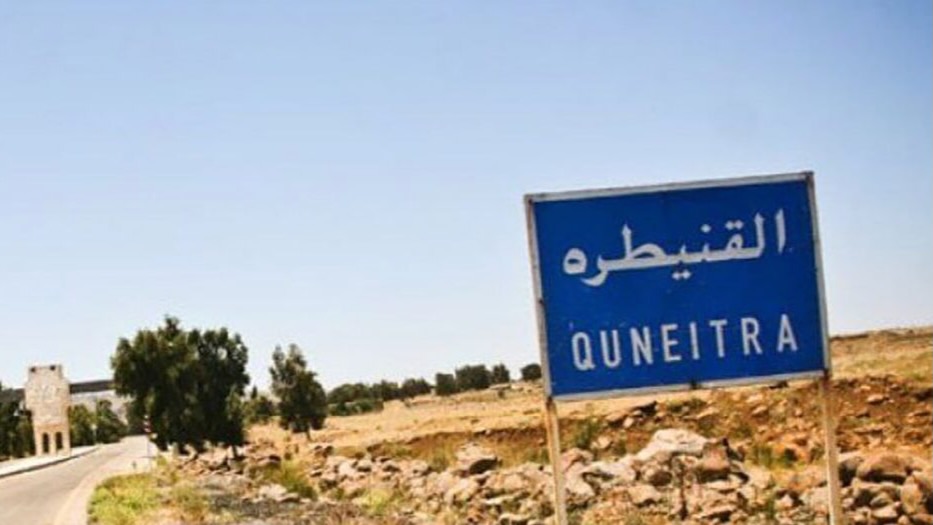
Israel has always employed the “negotiations under fire” tactic to impose its conditions before reaching any agreement with other parties in the region.
- Brazil approves end to 6×1 work schedule and reduction of the work week to 40 hours
- Israel kills 31 people in Lebanon on the eve of Eid al-Adha
- Israel carries out sixth consecutive Eid massacre in Gaza
- Far-right Janez Janša to return for fourth government term in Slovenia
- With peace deal nearly final, US launches fresh attacks on Iran