
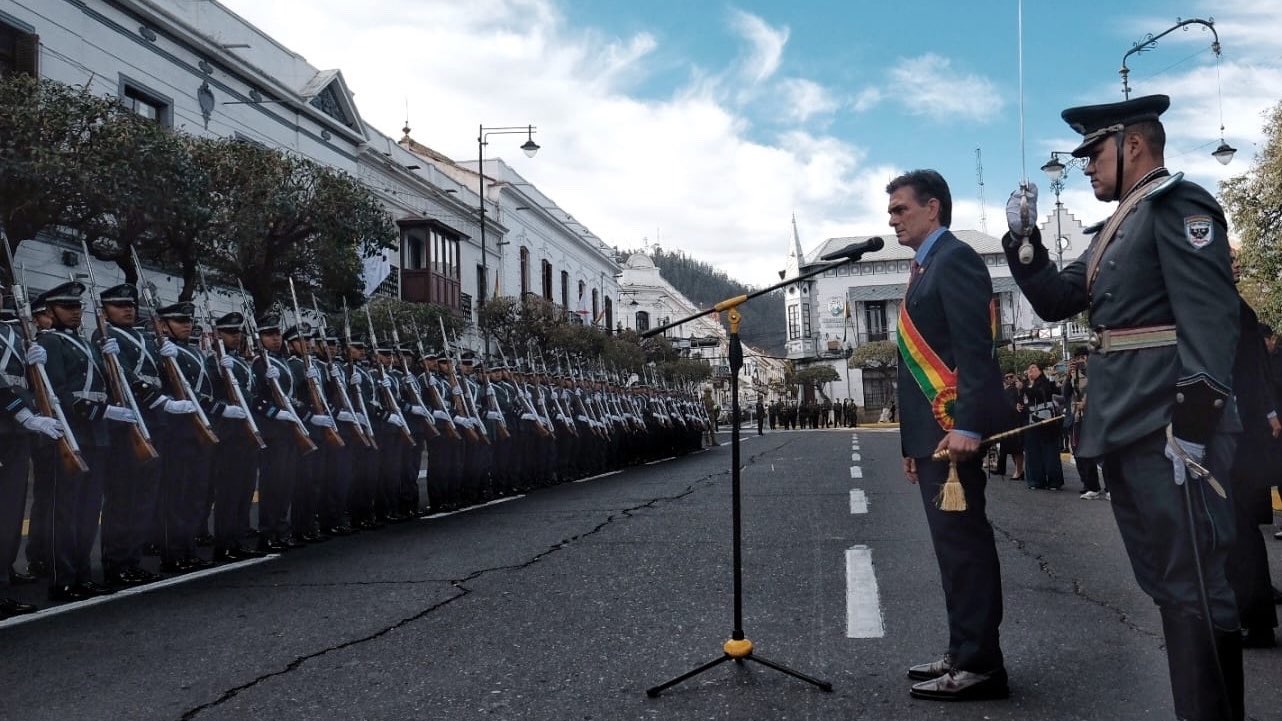
After nearly a month of intense protests, the Paz administration decided to call for dialogue once again, even as it passed a law granting it greater powers to declare states of emergency.
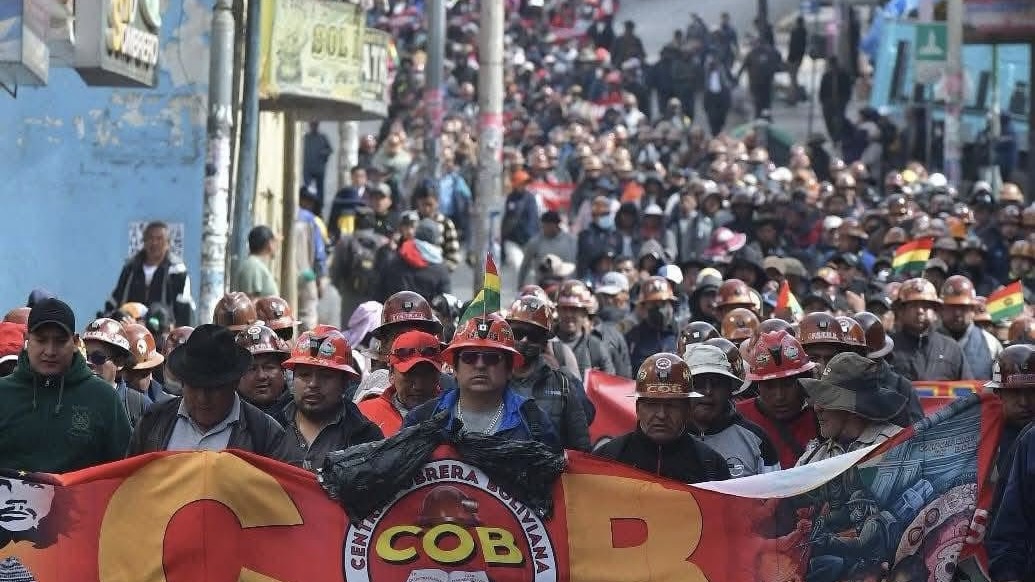
The protests have prompted various response strategies from the government. Now, mounting pressure has led the Paz administration to reshuffle the cabinet in an attempt to defuse calls for resignations. At the same time, it has opened another front of conflict with Colombia by expelling the ambassador from Bogotá.
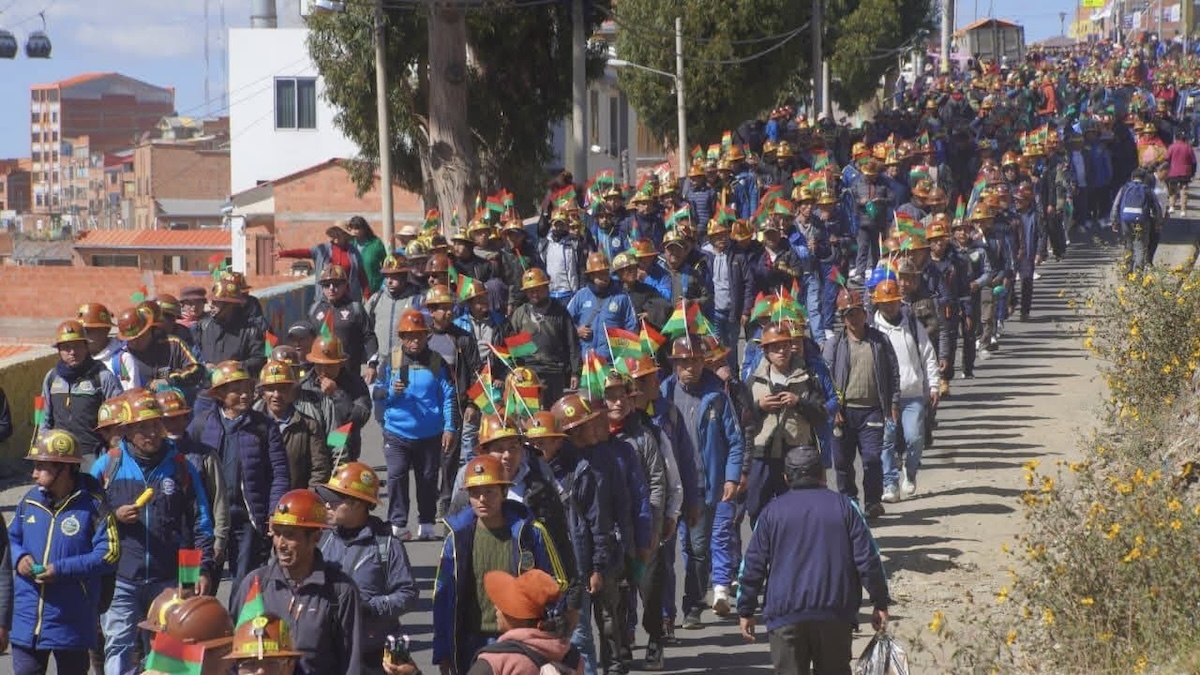
Demonstrators have closed several roads and faced heavy repression from security forces. Meanwhile, the Paz government has accused former president Evo Morales of being behind the mass protests.
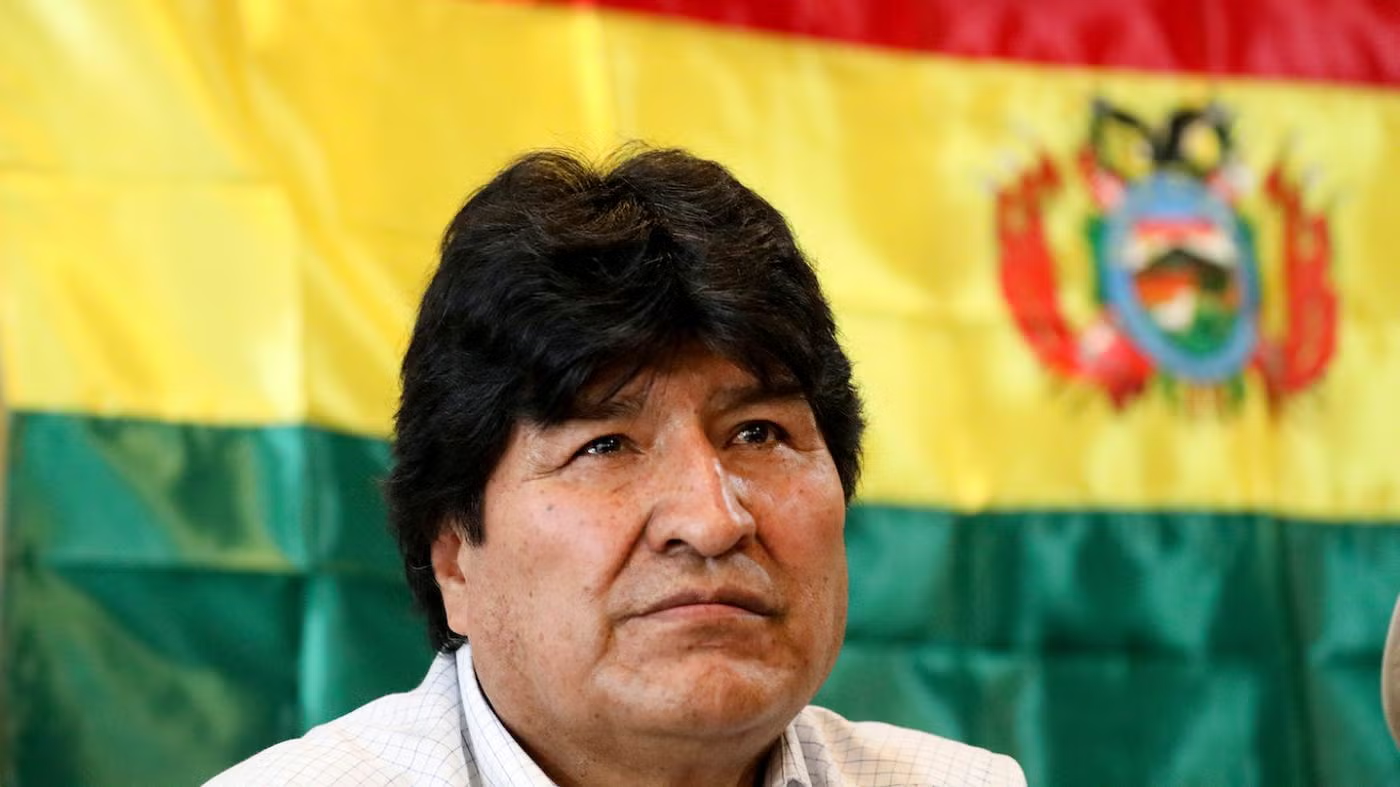
The former president claims this is a case of “lawfare” intended to destroy him physically and morally. The alleged victim of the crime has requested that the case be dismissed, but the prosecution insists on proceeding.
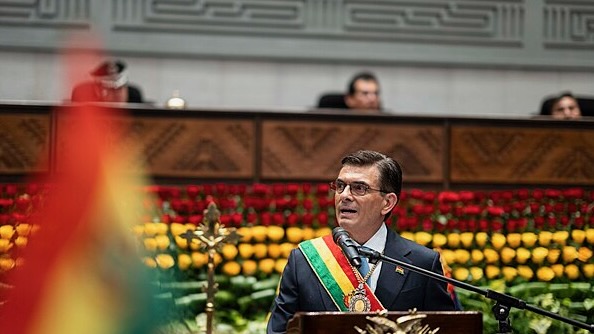
On April 19, the regions of Santa Cruz, Beni, Tarija, Oruro, and Chuquisaca went to the polls again for the runoff elections for various governorships. Paz and his allies won only two of the nine governorships.

Journalists and opposition politicians described the decision to remove TeleSur from national TV programming as censorship against alternative and critical journalism.
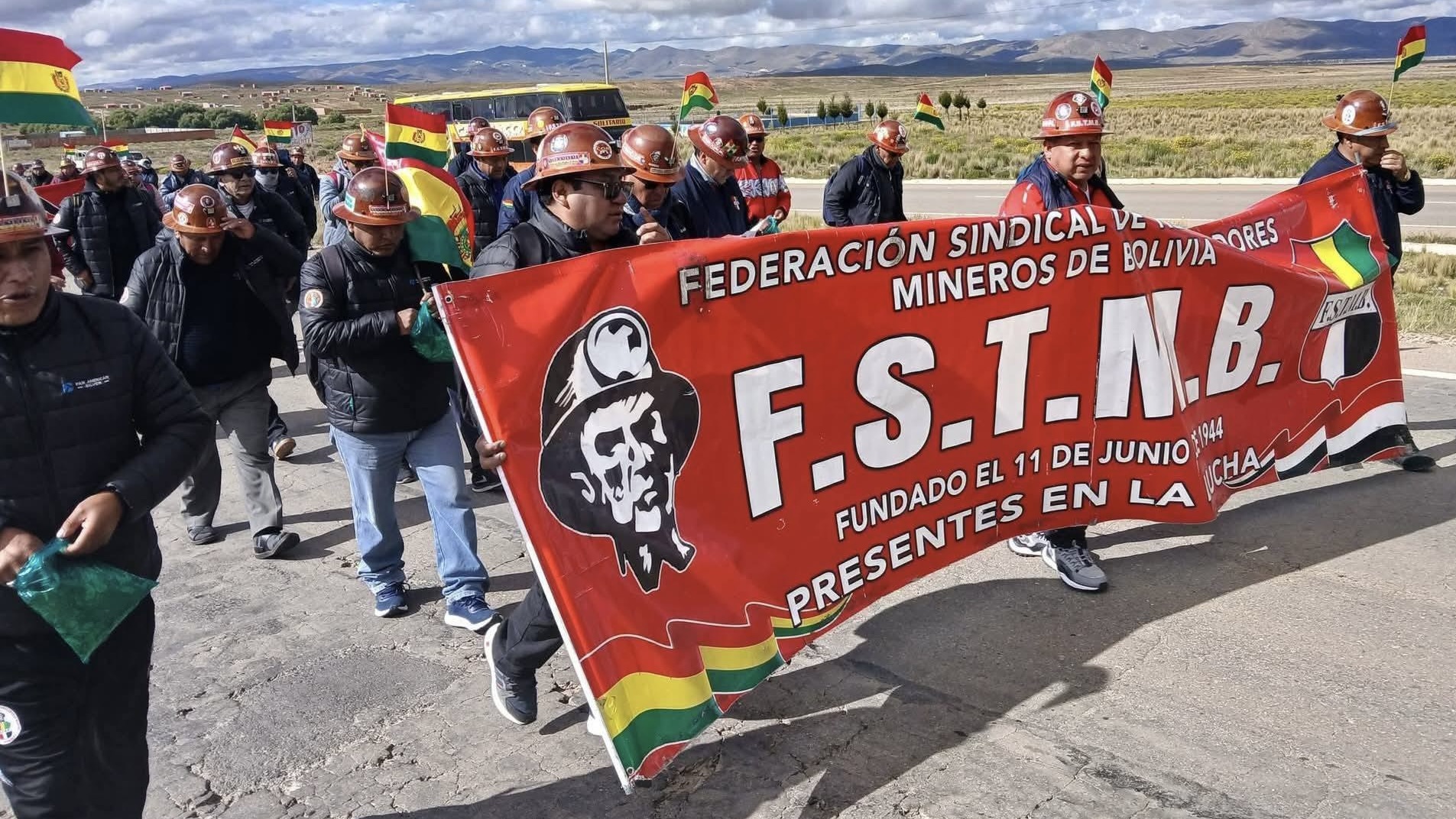
Several weeks after it was introduced, the Paz government repealed the elimination of fuel subsidies in response to the organized struggle of workers, Indigenous people, teachers, and other social movements.
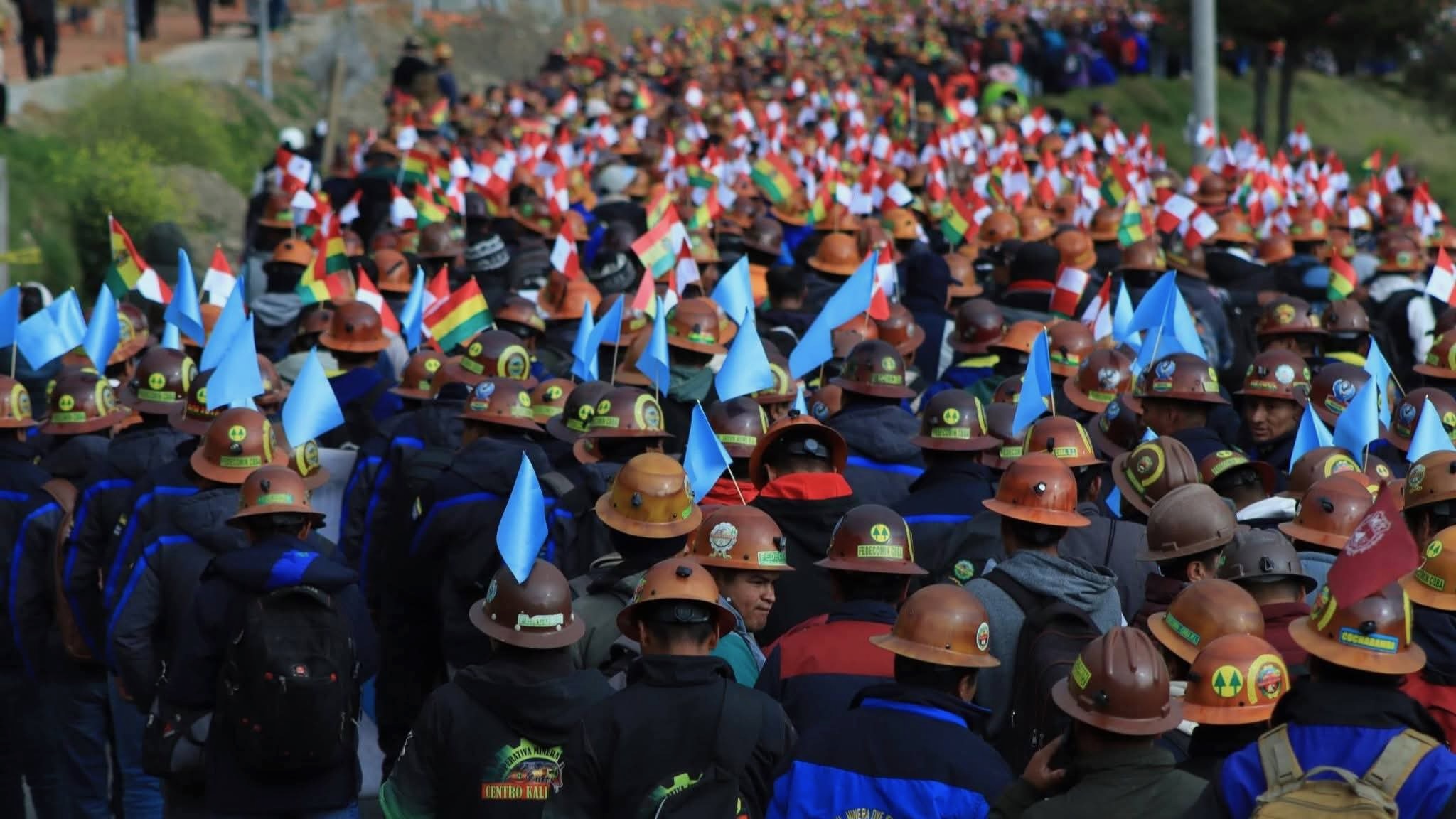
The controversial measure by the Paz government to eliminate gasoline subsidies has been opposed by organized workers, including teachers, factory workers, and peasants.
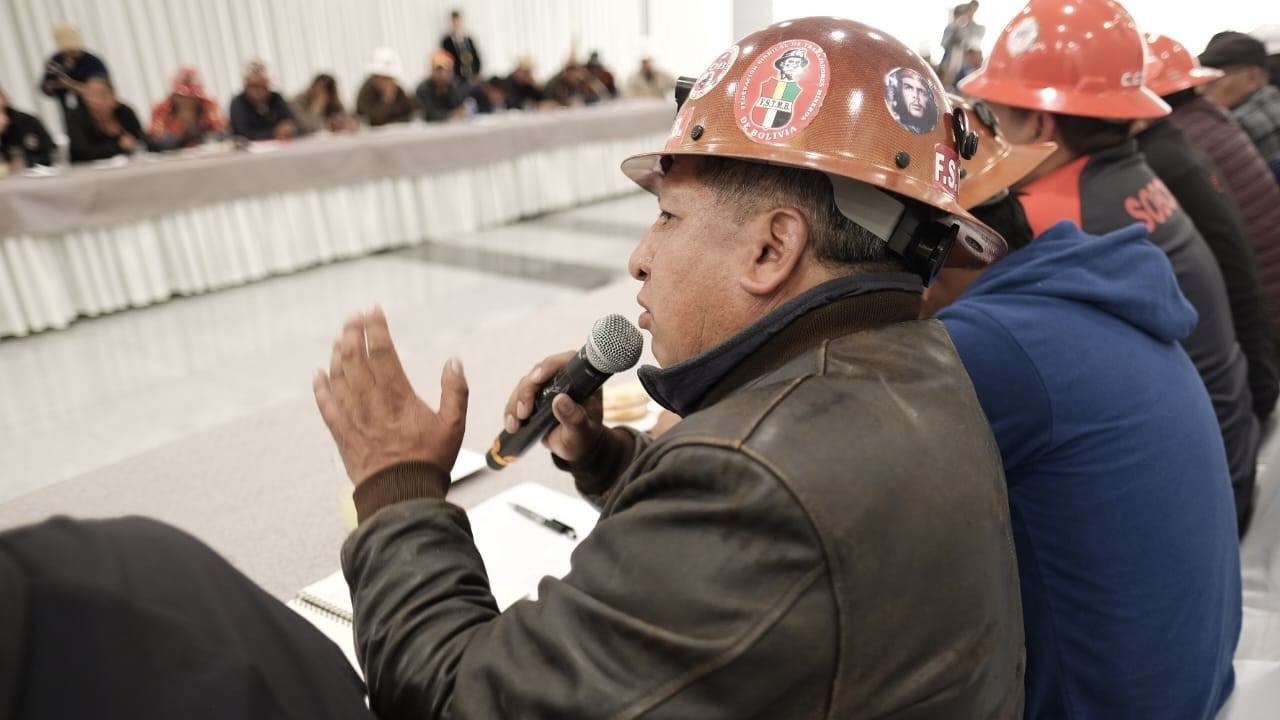
Massive protests have forced the government to seek dialogue with unions and small and medium-sized mining companies. Protesters are demanding the complete repeal of the decree eliminating hydrocarbon subsidies.
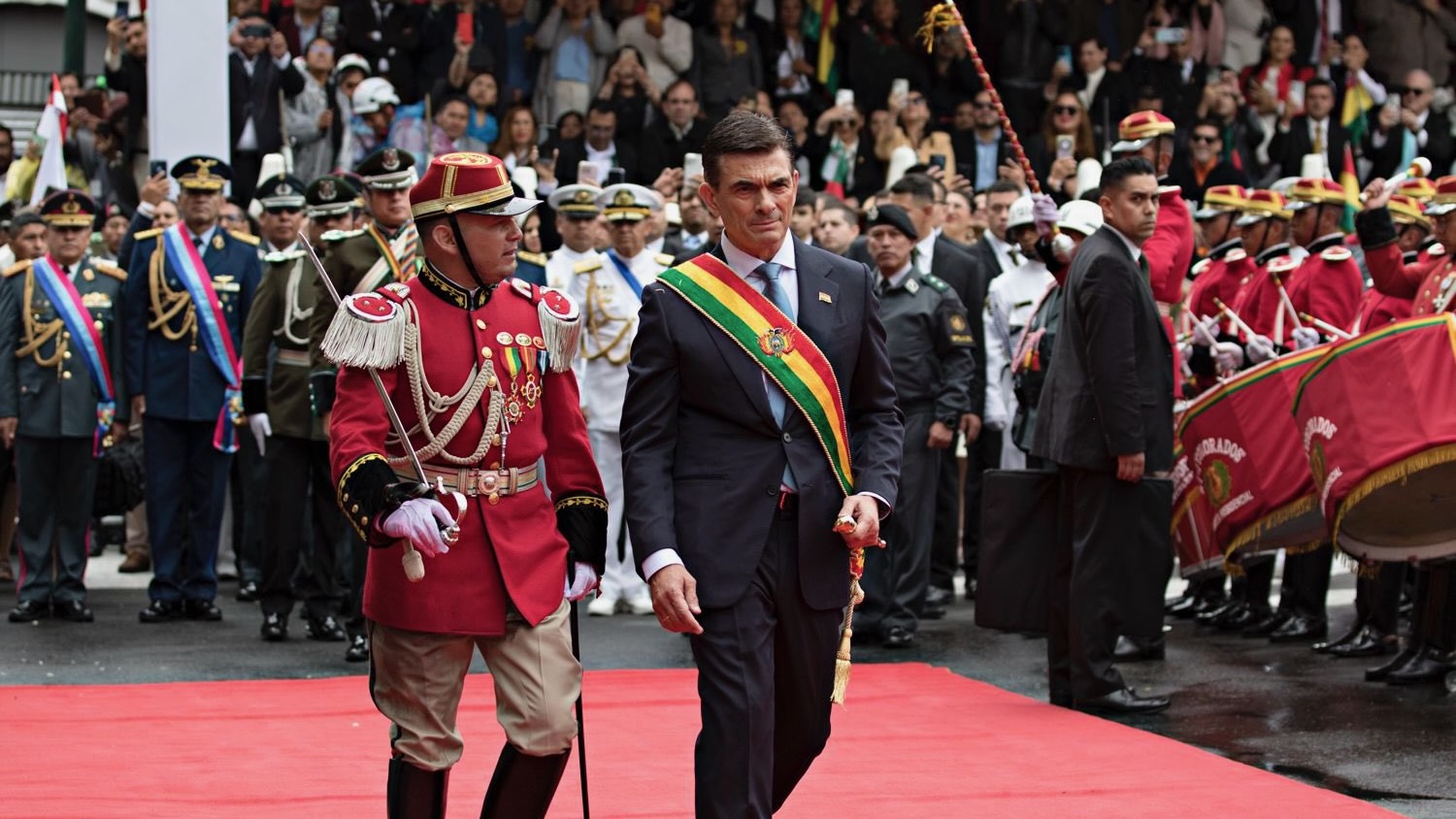
In this article, we review some of the neoliberal measures promised by the recently inaugurated Paz administration in Bolivia, which include budget cuts, tax breaks for the wealthiest, and audits of previous administrations.
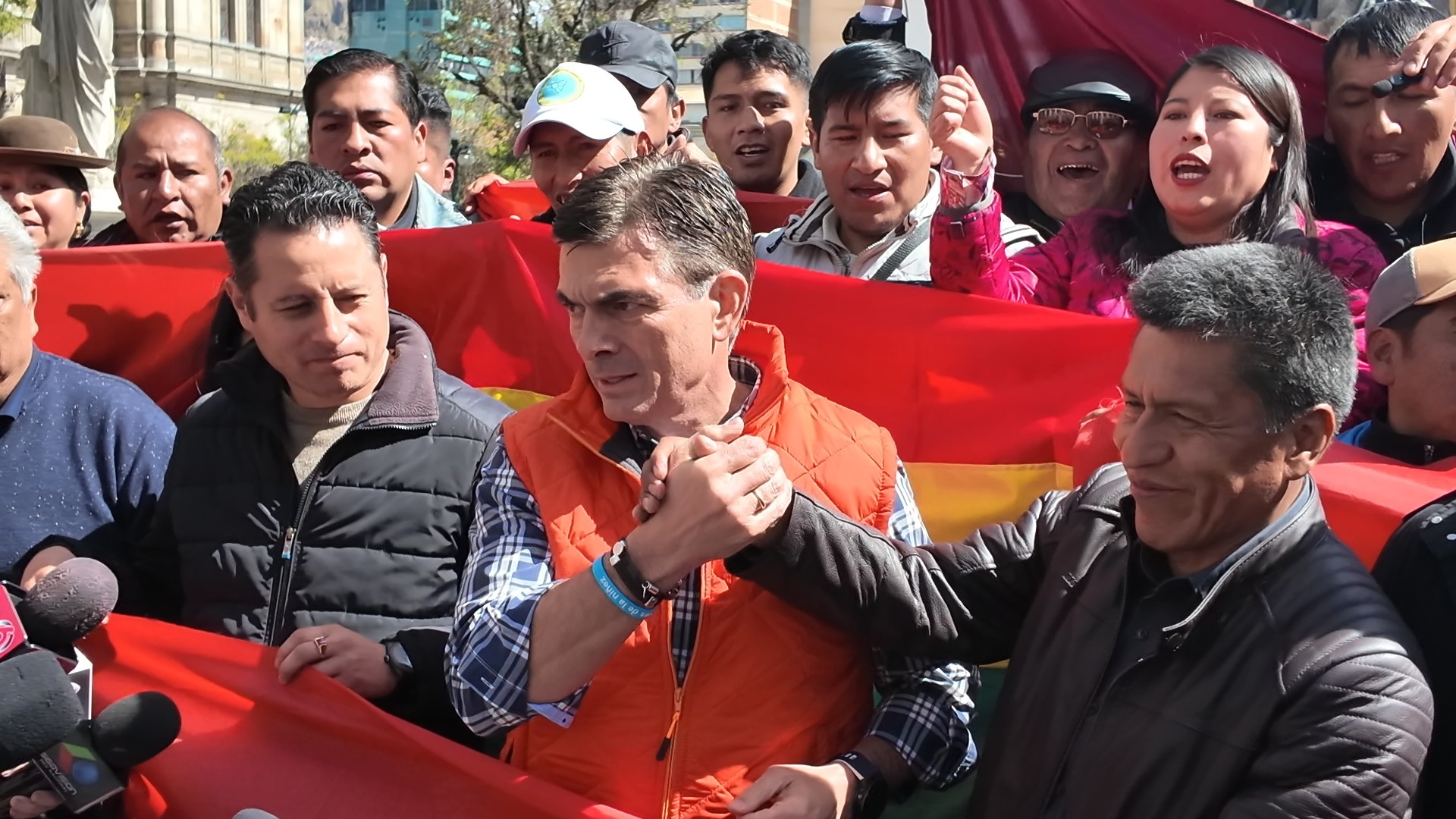
After nearly two decades of the MAS-led process of change, Paz has promised to transform Bolivia by focusing on opening up trade, strengthening ties with the United States, and making capitalism popular.
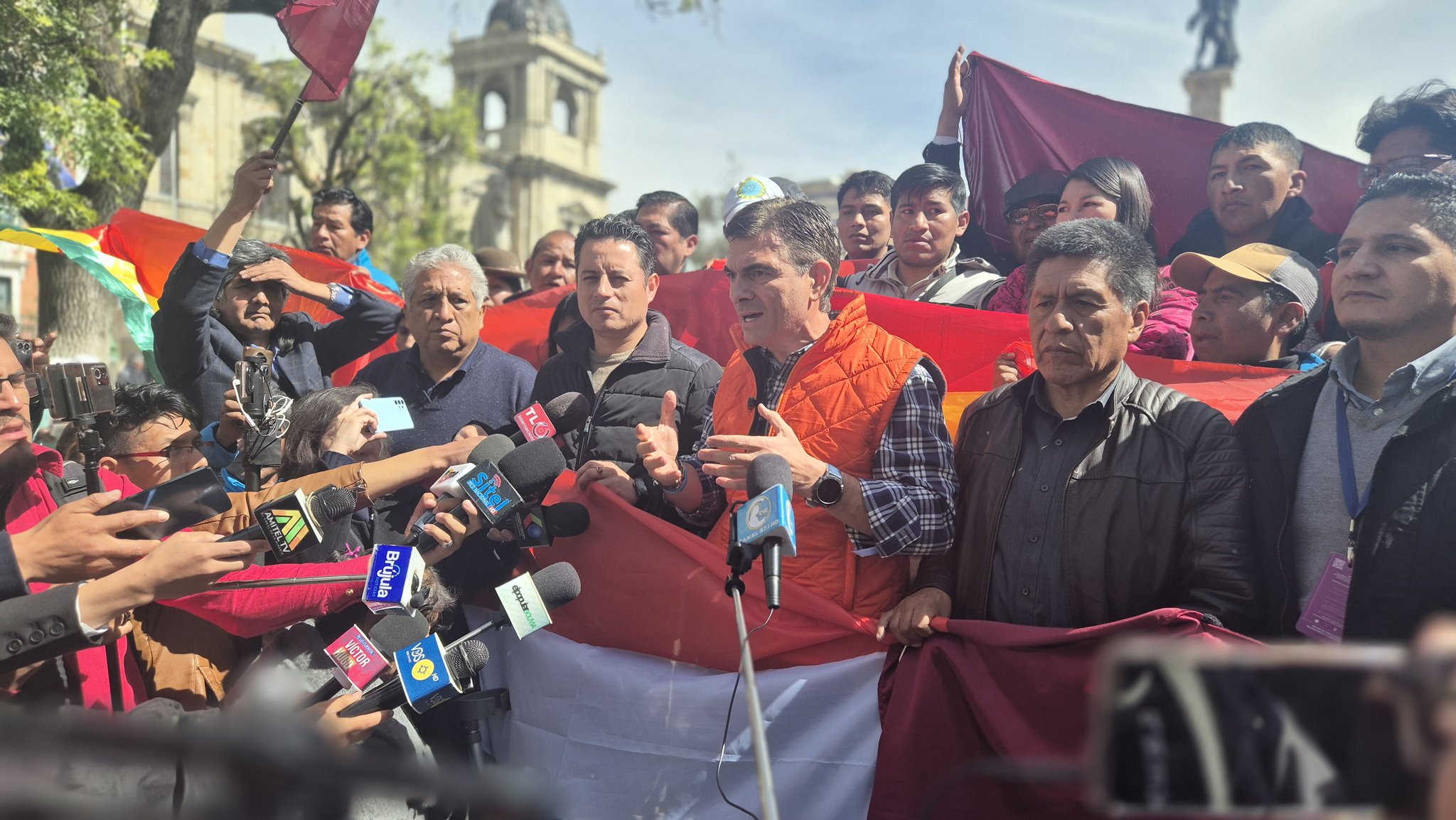
The presidential seat will be contested between right-wing candidates Jorge Quiroga and Rodrigo Paz. After nearly 20 years of progressivism, Bolivia is now poised to swing to the right.
- Brazil approves end to 6×1 work schedule and reduction of the work week to 40 hours
- Israel kills 31 people in Lebanon on the eve of Eid al-Adha
- Israel carries out sixth consecutive Eid massacre in Gaza
- Far-right Janez Janša to return for fourth government term in Slovenia
- With peace deal nearly final, US launches fresh attacks on Iran