
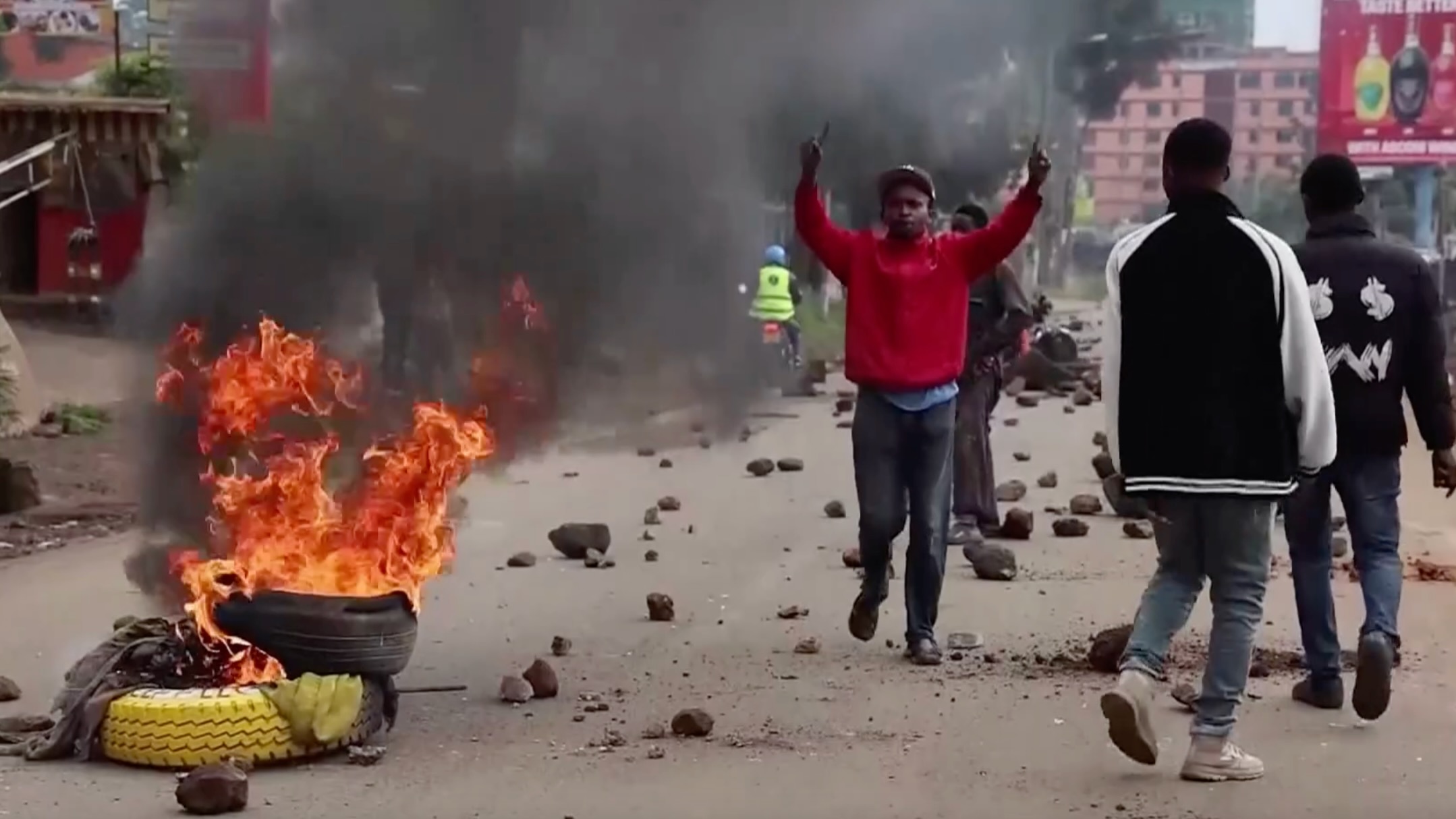
In Kenya, a nationwide transport shutdown and protests were triggered by a sharp increase in fuel prices. The shutdown brought the transport sector to a standstill, with very little movement of vehicles across the country on Monday.
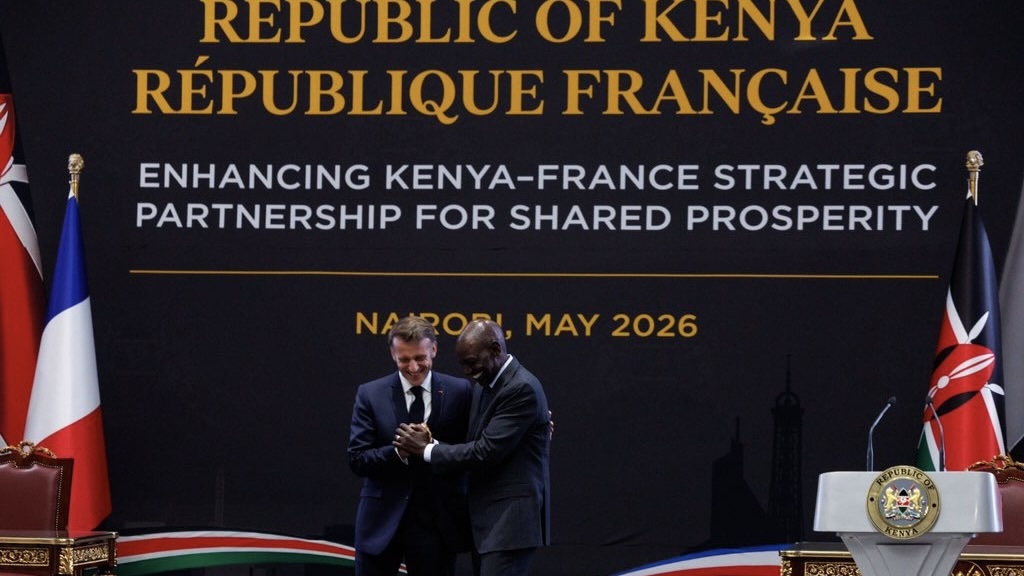
With French influence being expelled from countries such as Mali, Burkina Faso, and Niger, Paris is desperately searching for a new strategic foothold in Africa.
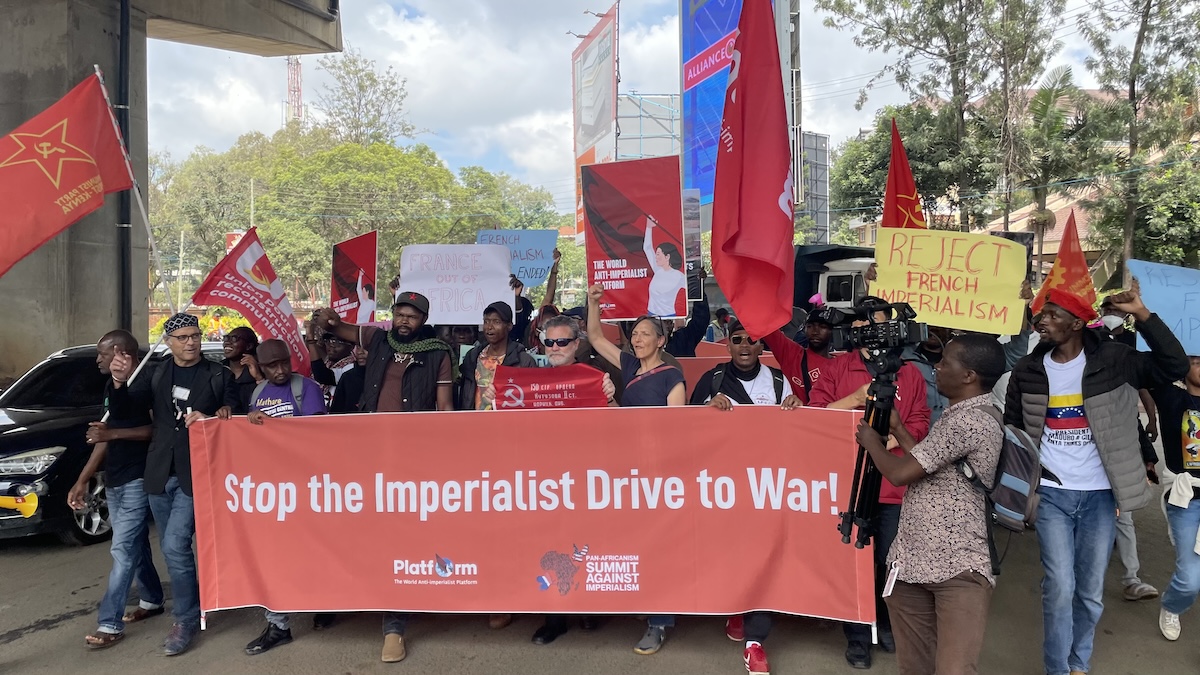
Organizers, activists, intellectuals, and international delegates were arrested in Nairobi during an anti-imperialist protest against the France–Africa Summit, which critics have described as an attempt at imperialist repositioning in East Africa.
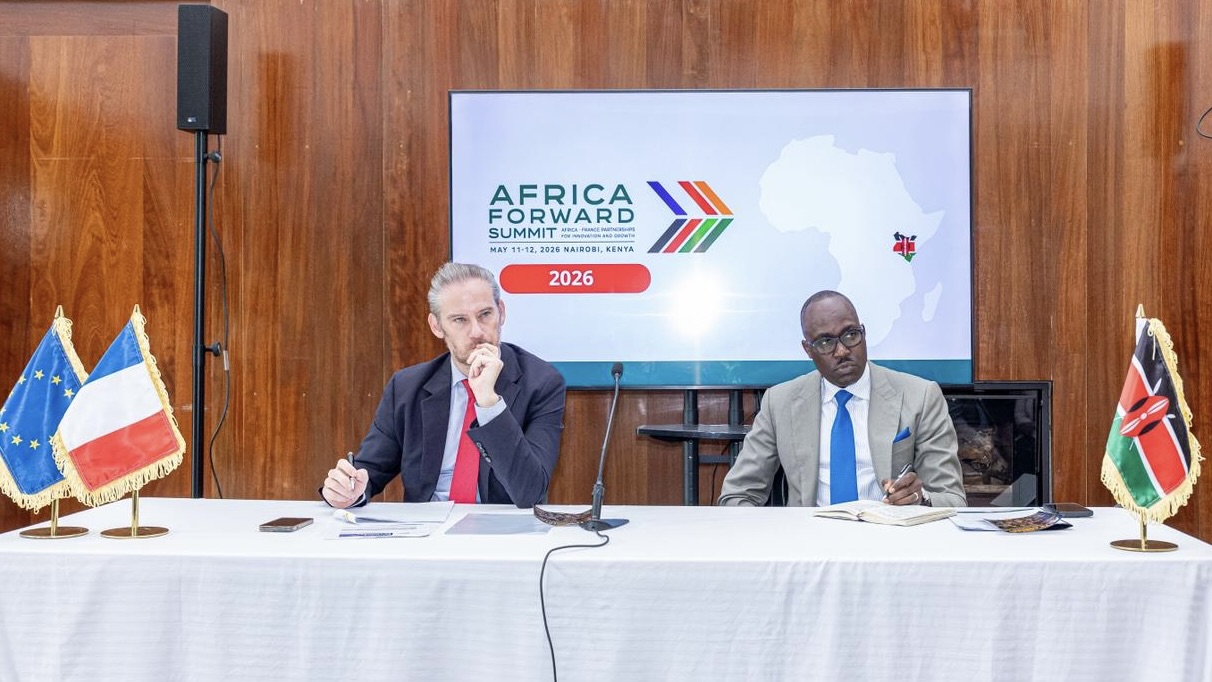
Kenya will host the 2026 France–Africa Summit, the first to be held in an English-speaking African country. Activists, political observers, and analysts view the summit as part of France’s broader attempt to reconfigure its influence and strategic interests in Africa at a time when the Sahel is increasingly slipping from its traditional sphere of control.
Reproductive rights advocates warn that the ruling spells grave danger for both doctors and pregnant women, thousands of whom die of unsafe abortions every year in Kenya.
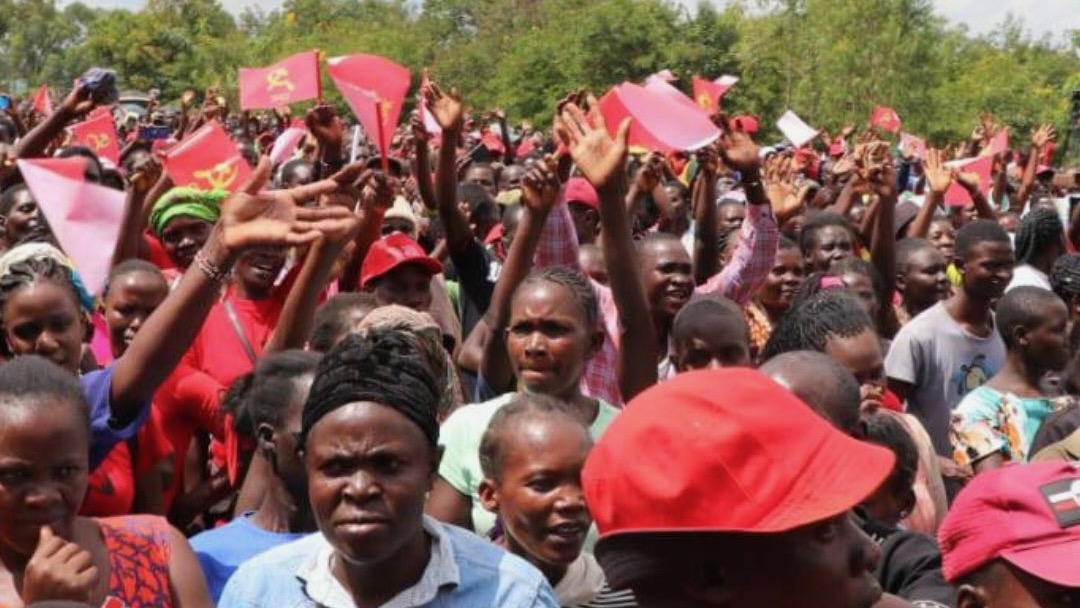
The France–Africa Summit is set to take place on May 11–12, 2026, framed around innovation and growth. However, progressive movements challenge this narrative, viewing it instead as part of a broader imperial repositioning in Africa. In response, they have organized a counter-summit to challenge its agenda and implications.
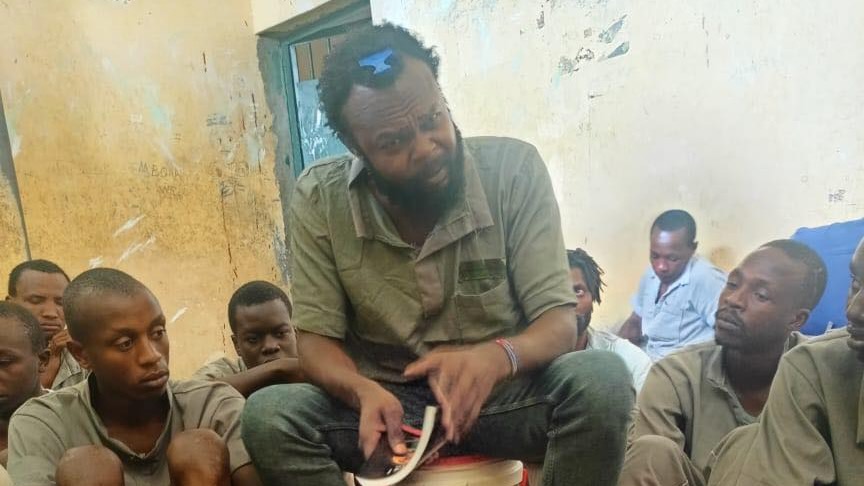
Withdrawing from the case, the complainant and the key witness named in the chargesheet has accused the police of fabricating charges and weaponizing the criminal justice system.
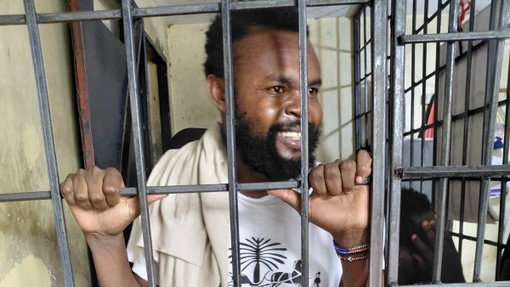
Produced in court a day and a half after abduction and alleged torture, Booker Ngesa Omole, general secretary of Communist Party Marxist-Kenya (CPM-K), was denied bail, injured, and sent to a notorious prison.
The Communist Party Marxist-Kenya says its secretary general, Booker Ngesa Omole, was abducted and tortured by Kenyan security officers and is now being held at Mlolongo Police Station. The incident has sparked growing public and political pressure for his immediate release.
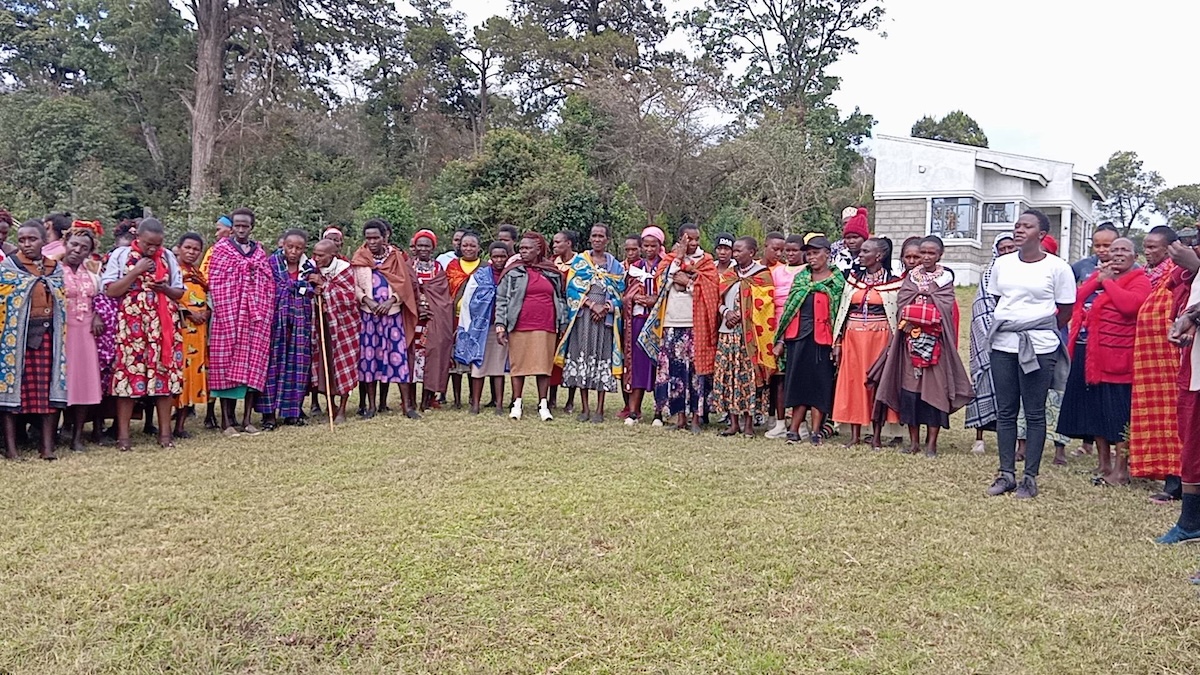
The plight of the Yaaku Indigenous community echoes a similar script in Kenyan history wherein communities are framed as obstacles to security, conservation, or development, only to be forcibly removed in favor of more powerful political and economic interests.
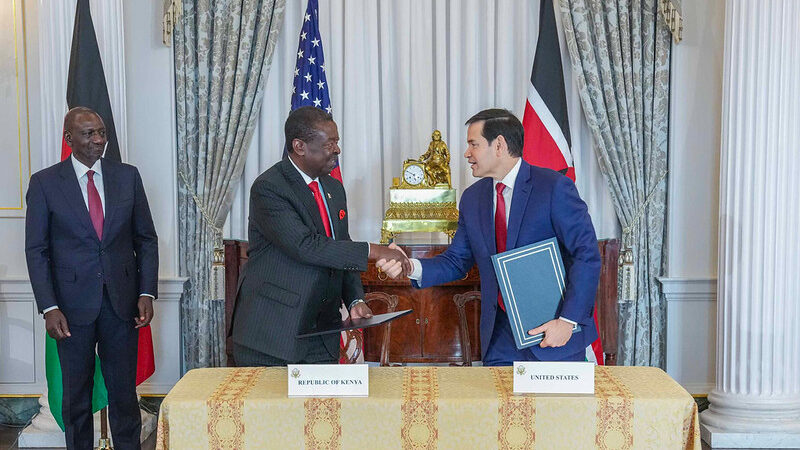
The US has announced a series of bilateral health agreements with African countries, sparking concern over pathogen access, benefit sharing, and health sovereignty.
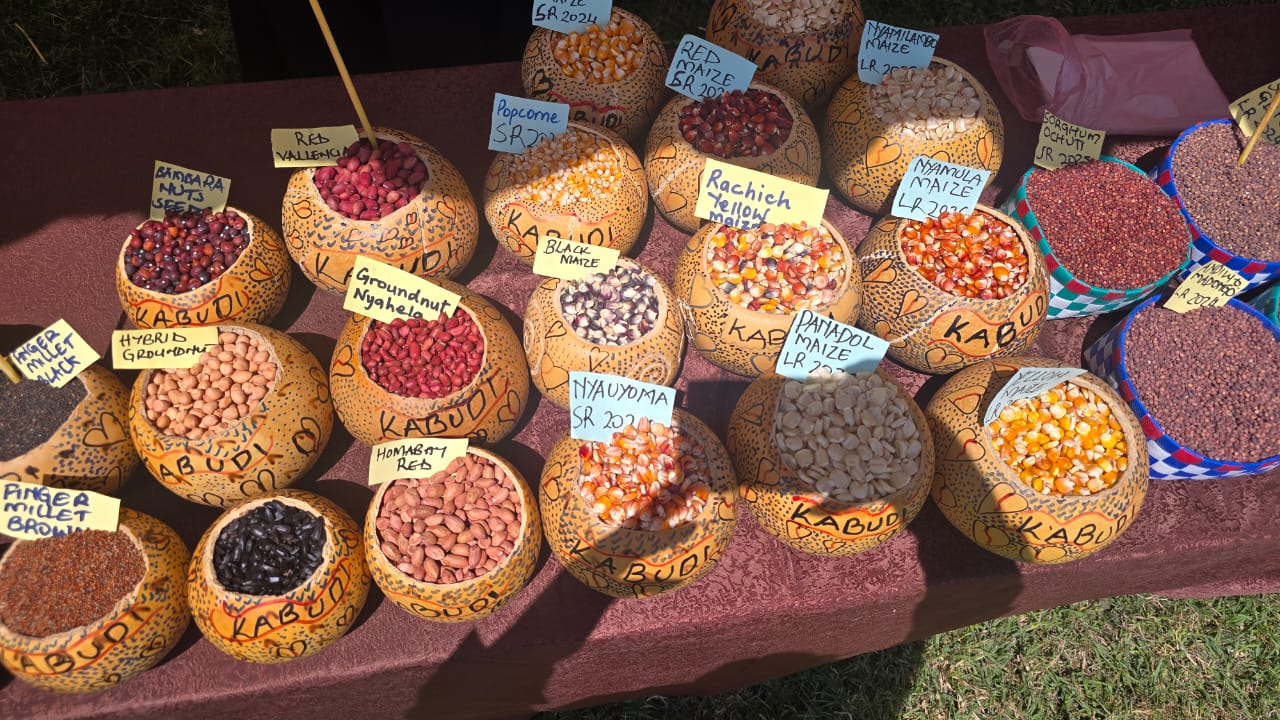
The landmark ruling secures farmers’ right to save, share, and exchange indigenous seeds, by decriminalizing it and safeguarding traditional farming heritage.
- Brazil approves end to 6×1 work schedule and reduction of the work week to 40 hours
- Israel kills 31 people in Lebanon on the eve of Eid al-Adha
- Israel carries out sixth consecutive Eid massacre in Gaza
- Far-right Janez Janša to return for fourth government term in Slovenia
- With peace deal nearly final, US launches fresh attacks on Iran