
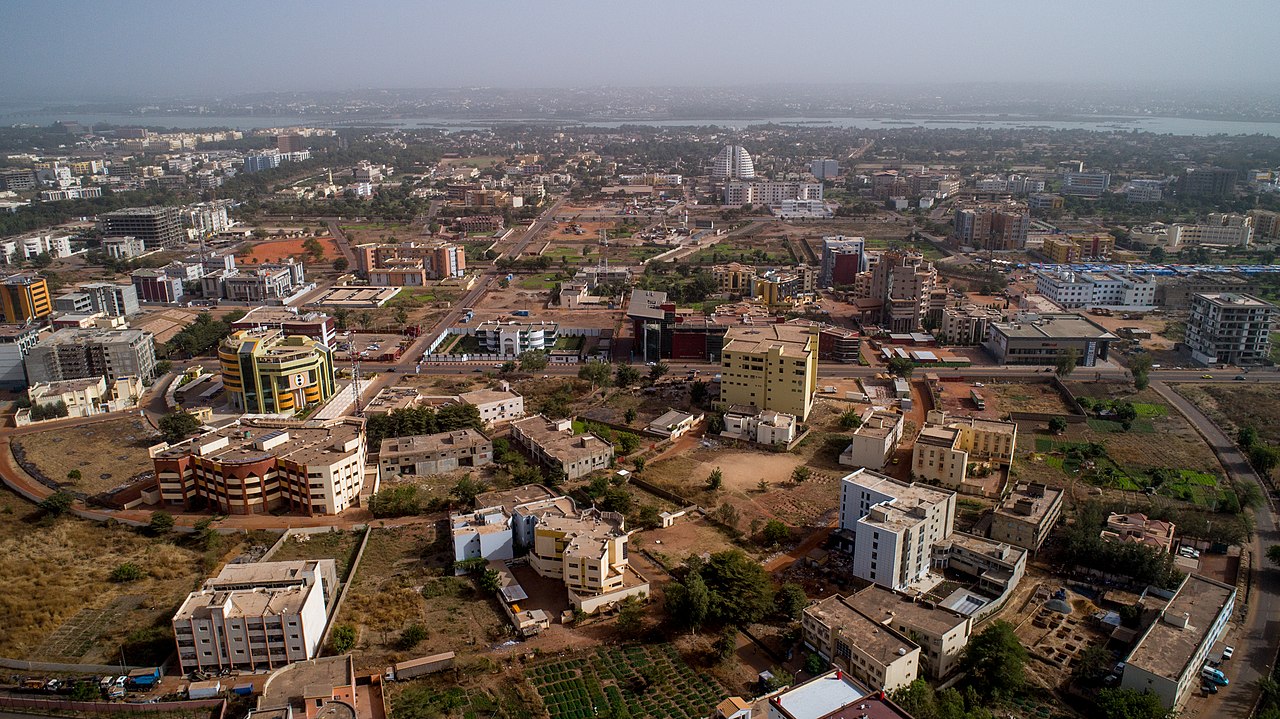
While Western media continues to describe hit-and-run attacks on civilian fuel tankers by Al-Qaeda fighters who cannot hold positions as a “blockade”, a much more complex struggle for and against Mali’s sovereignty unfolds on the ground.
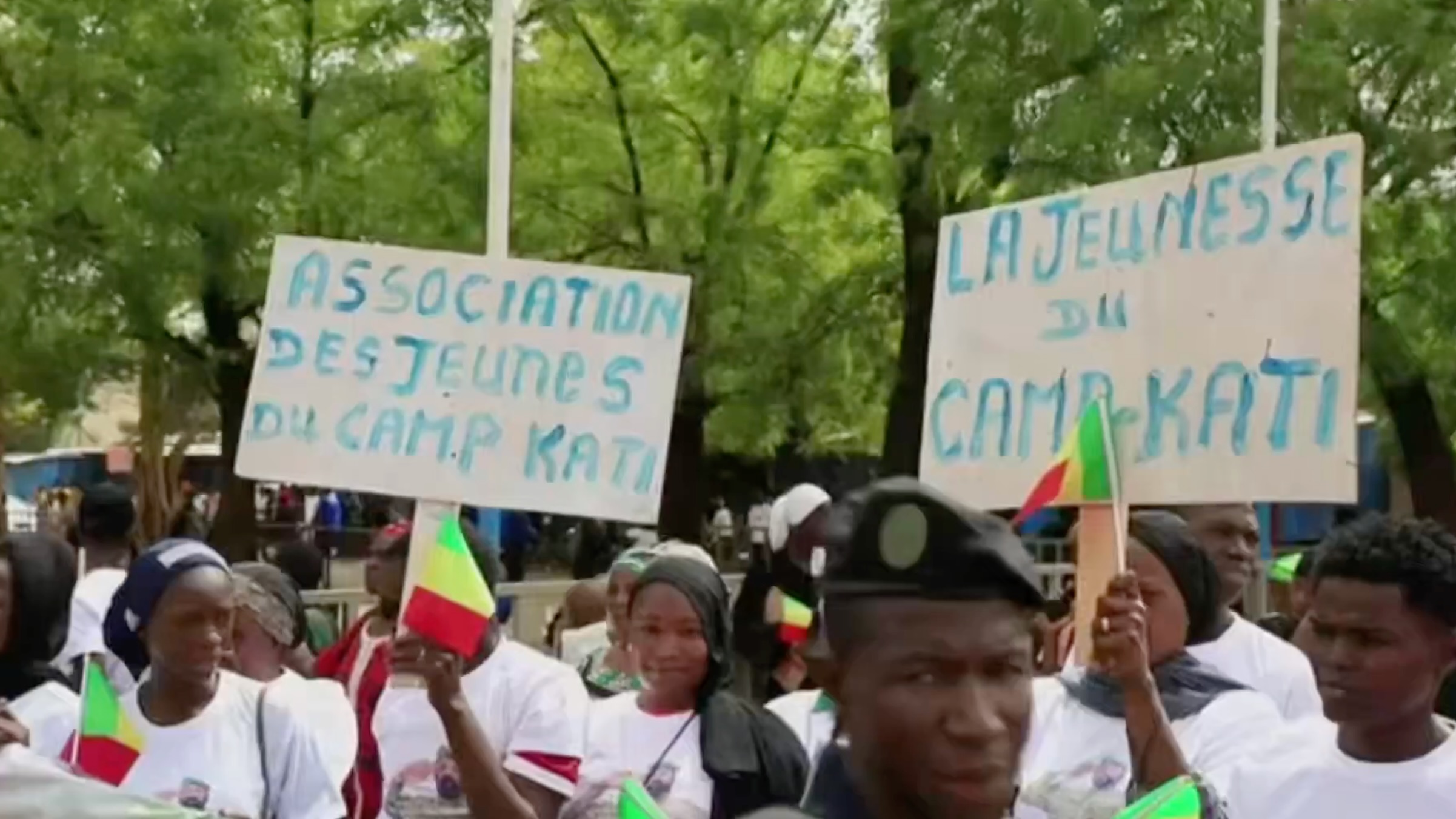
Two weeks before, the armed forces had fought off the highly-coordinated attacks on six cities by about 12,000 jihadist and separatist fighters on April 25.
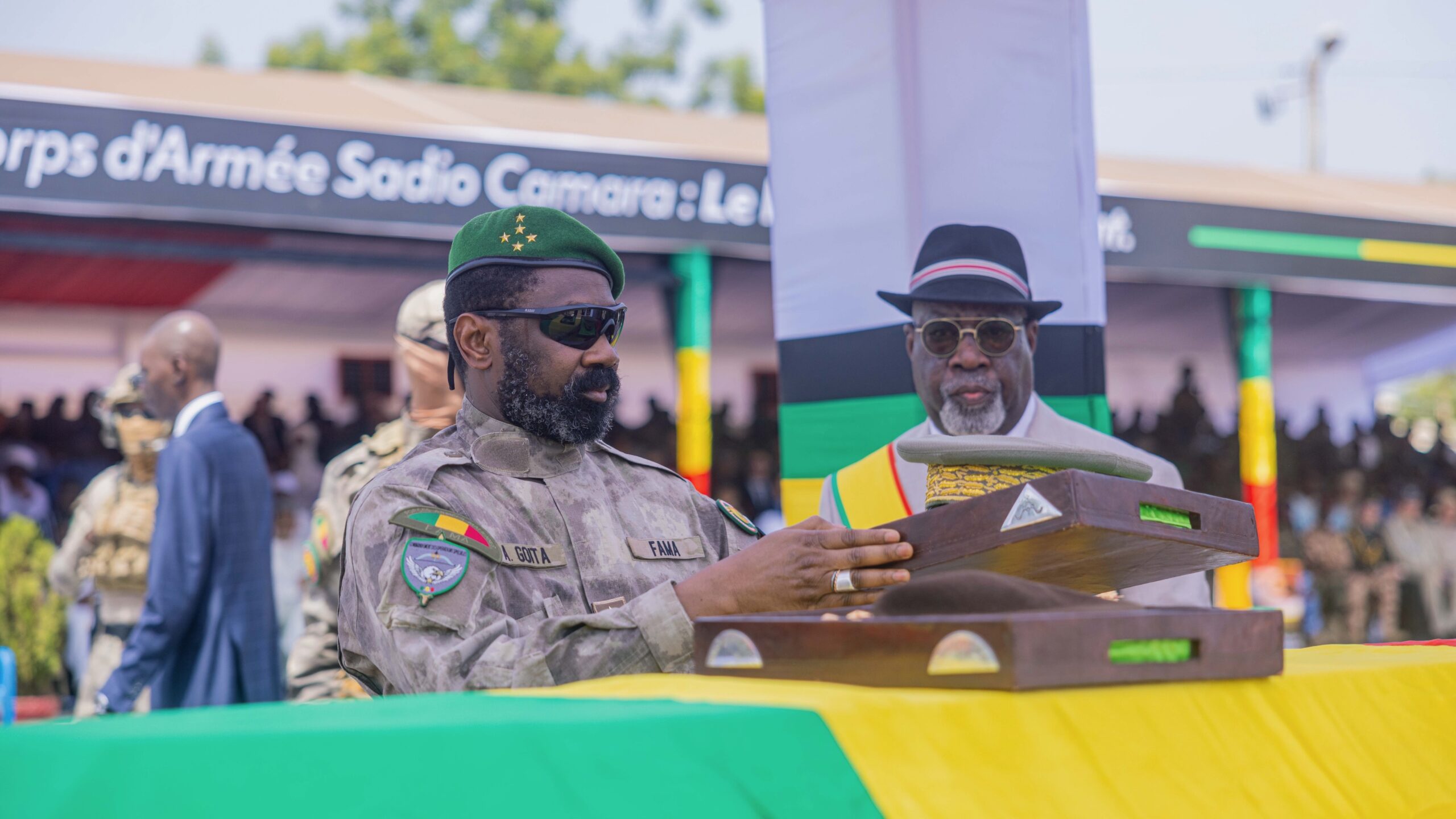
While Western media continued prophesying the fall of the popular, sovereignist government that expelled French troops, the cabinet met on April 29 to push forward with developmental projects.
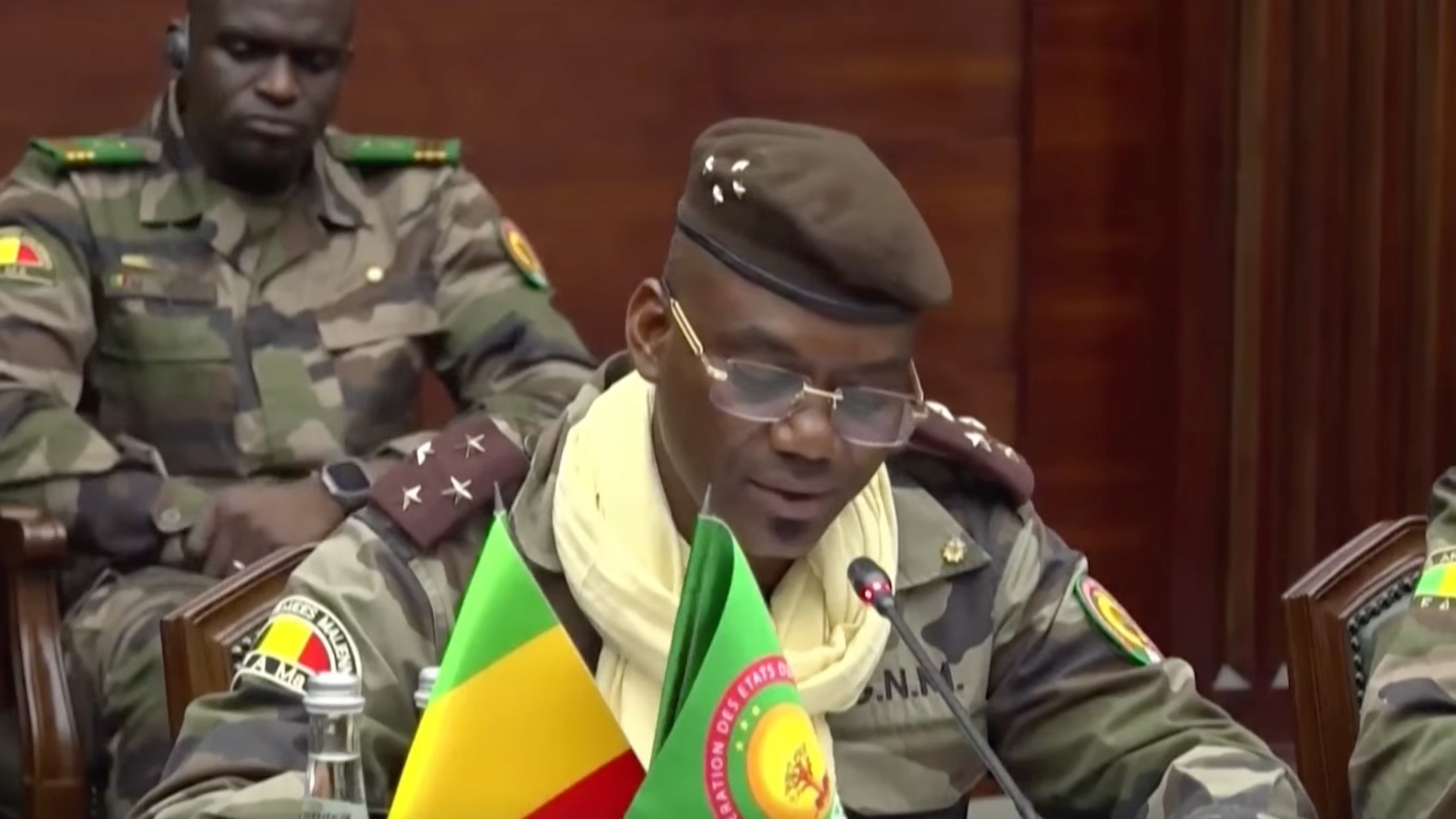
African regional blocs, including the Alliance of Sahel States and the African Union, as well as the head of the UN have condemned the senseless attacks by terrorist groups in Mali.
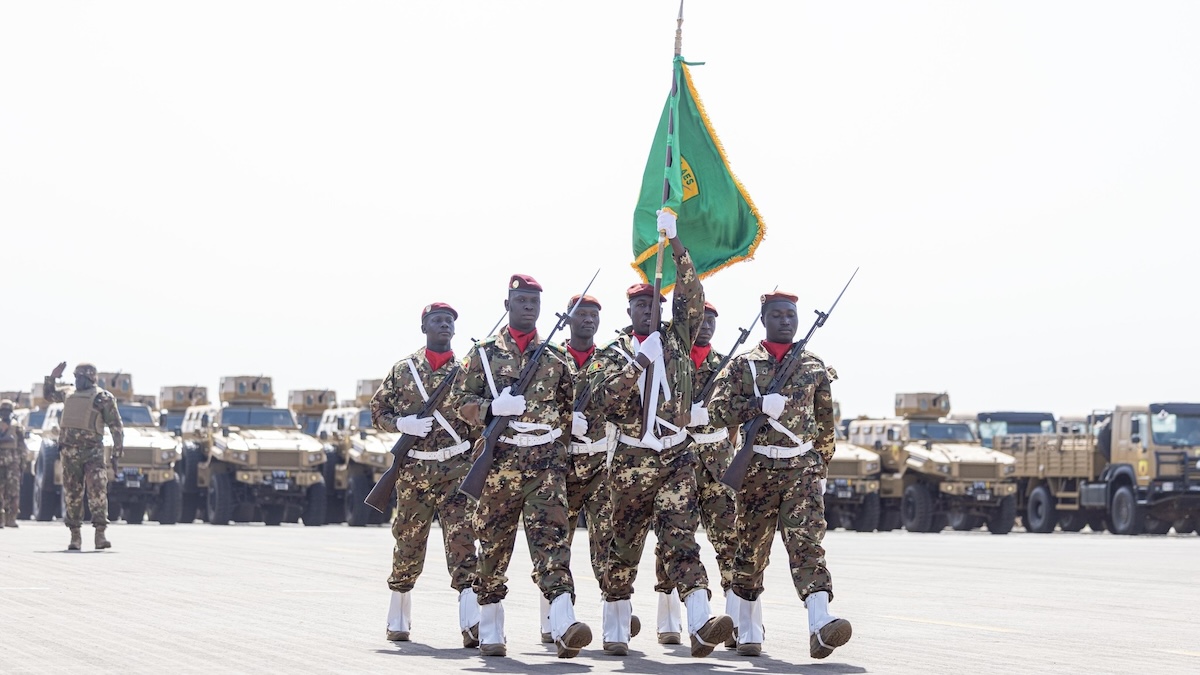
Mali faced a wave of terrorist attacks on Saturday morning, in a surprising and coordinated assault targeting multiple cities. The army is actively responding, launching counter-operations to repel the attackers.
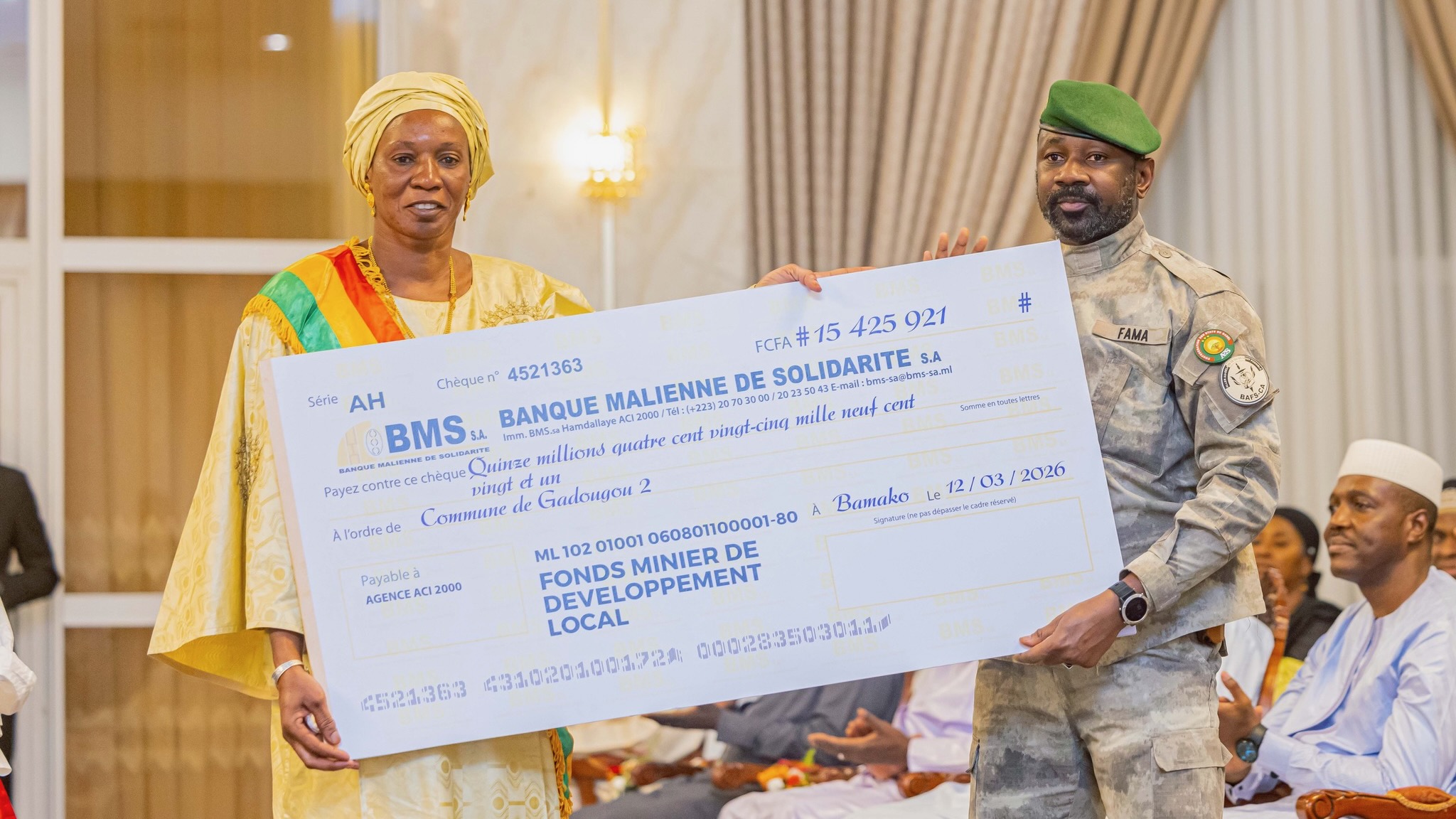
Combining limited nationalization with conditional foreign ownership amid the rally in gold prices, Mali has generated substantial mining revenue – channeled back to communities through the Local Mining Development Fund.
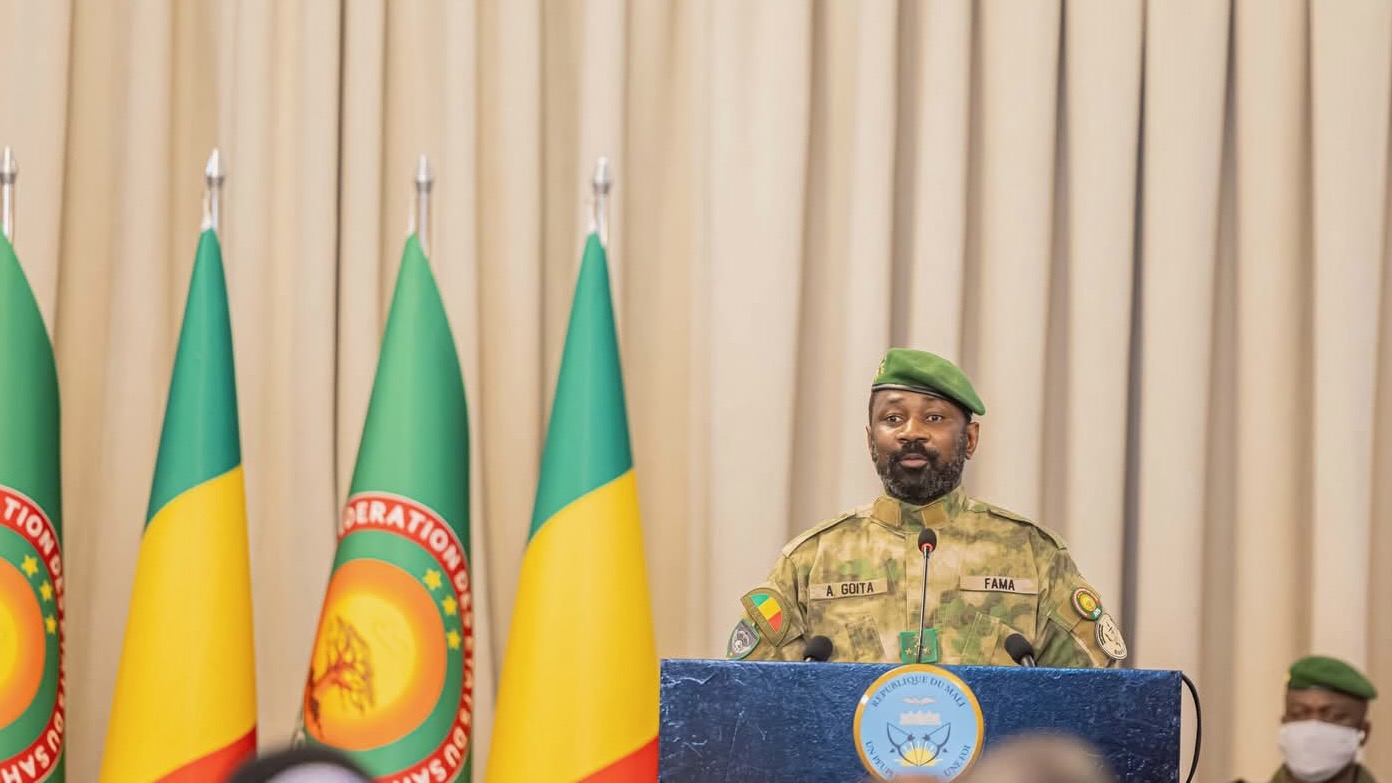
A historic turning point in Sahelian sovereignty, as Burkina Faso, Mali, and Niger bolstered their regional security through a unified military force and in the same week held its second AES summit.
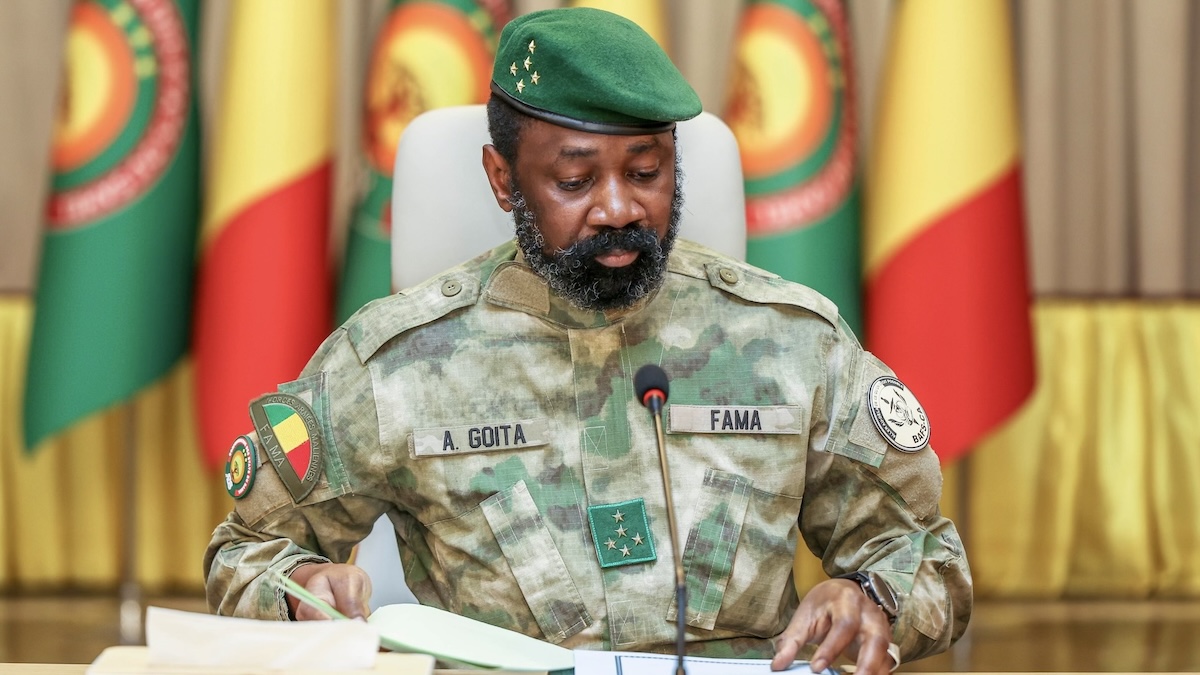
The government of Mali recovered at least USD 1.2 billion after conducting a sector-wide audit and renegotiating mining agreements.
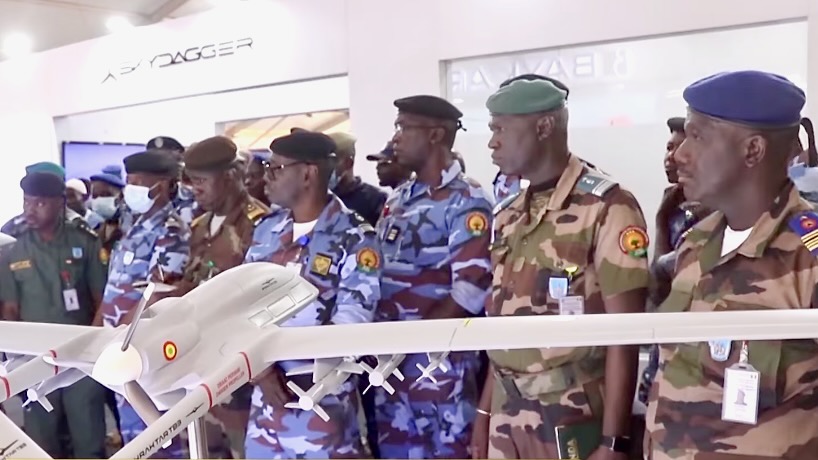
As panic-inducing travel advisories and doomsaying media reports prophesy the fall of Mali to an Al Qaeda affiliate attacking fuel convoys, the government has re-secured supply routes and hosted Mali’s first international defense expo in a supposedly besieged capital.
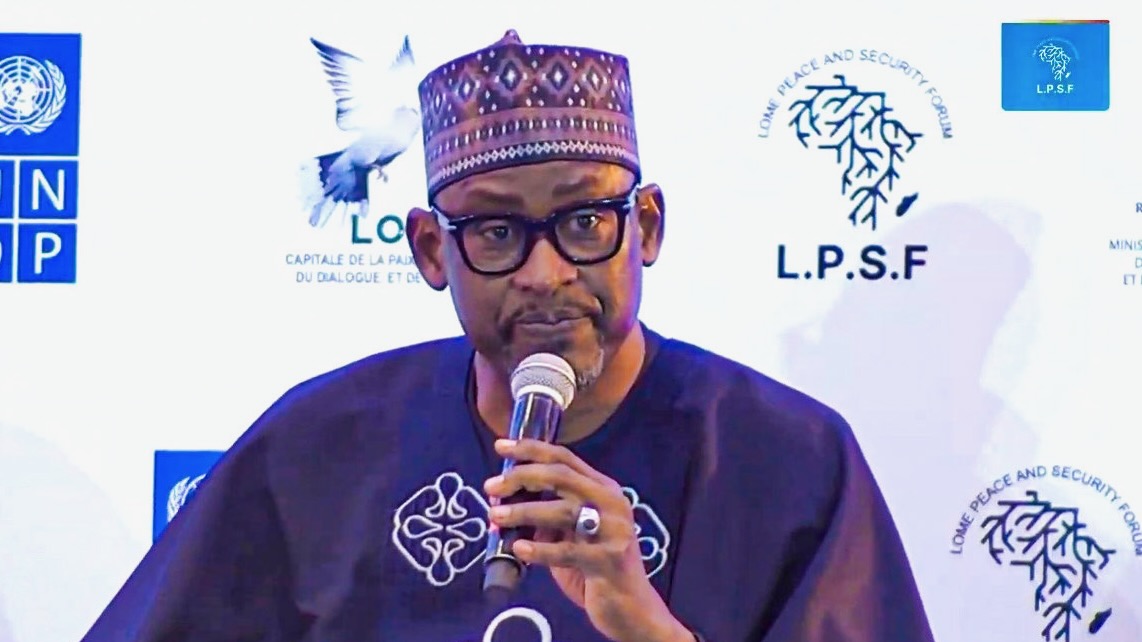
Mali has distinguished itself as the only one to retaliate, while the governments of the rest of the seven African countries, whose nationals face USD 5,000-15,000 visa bond requirement, seek to placate Trump.
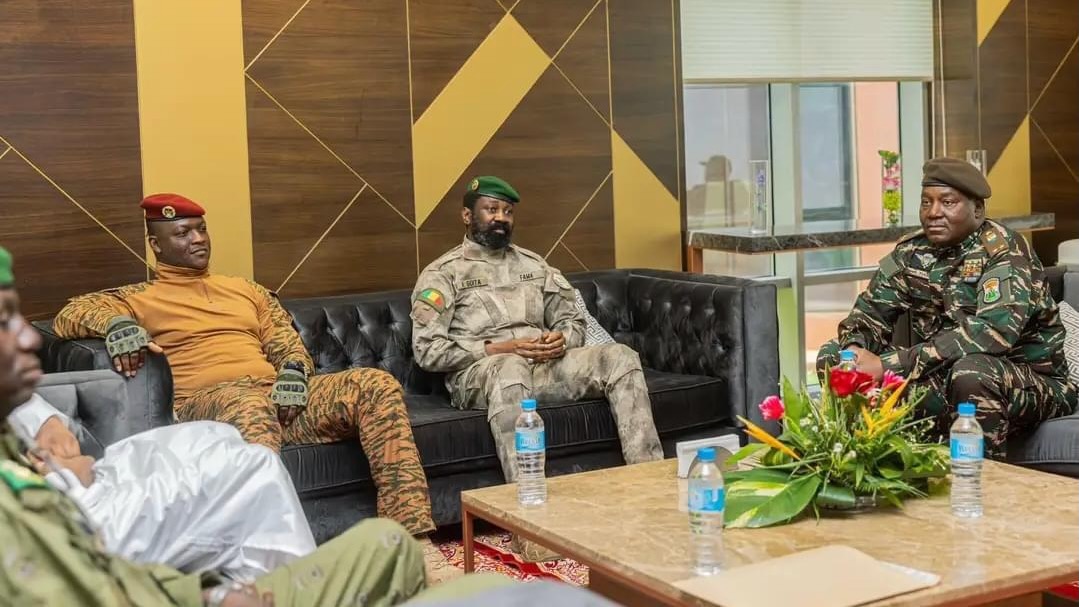
“Nostalgic for the colonial era and concerned by the loss of influence in Sahel”, France is intent on destabilizing the AES by providing intelligence, “logistical support, arms and ammunition” to the terrorist groups, Mali, Burkina Faso, and Niger allege.
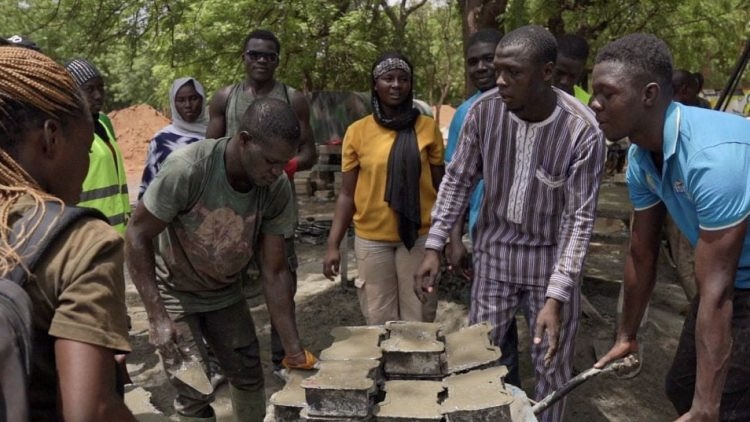
The film Sahel: Homeland or Death, by Brasil de Fato, is an invitation to gain a deeper understanding of the ongoing struggles for liberation
- Brazil approves end to 6×1 work schedule and reduction of the work week to 40 hours
- Israel kills 31 people in Lebanon on the eve of Eid al-Adha
- Israel carries out sixth consecutive Eid massacre in Gaza
- Far-right Janez Janša to return for fourth government term in Slovenia
- With peace deal nearly final, US launches fresh attacks on Iran