

As the country maintains high interest rates and dollar reserves to sustain the confidence of financial markets, that very position generates opportunity costs and structural outflows that prevent the real accumulation of reserves and investment in productive sectors and infrastructure.

In addition to the economic crisis Argentina is facing, a series of corruption allegations has caused the Argentine president’s popularity to plummet to one of its lowest levels since he took office.
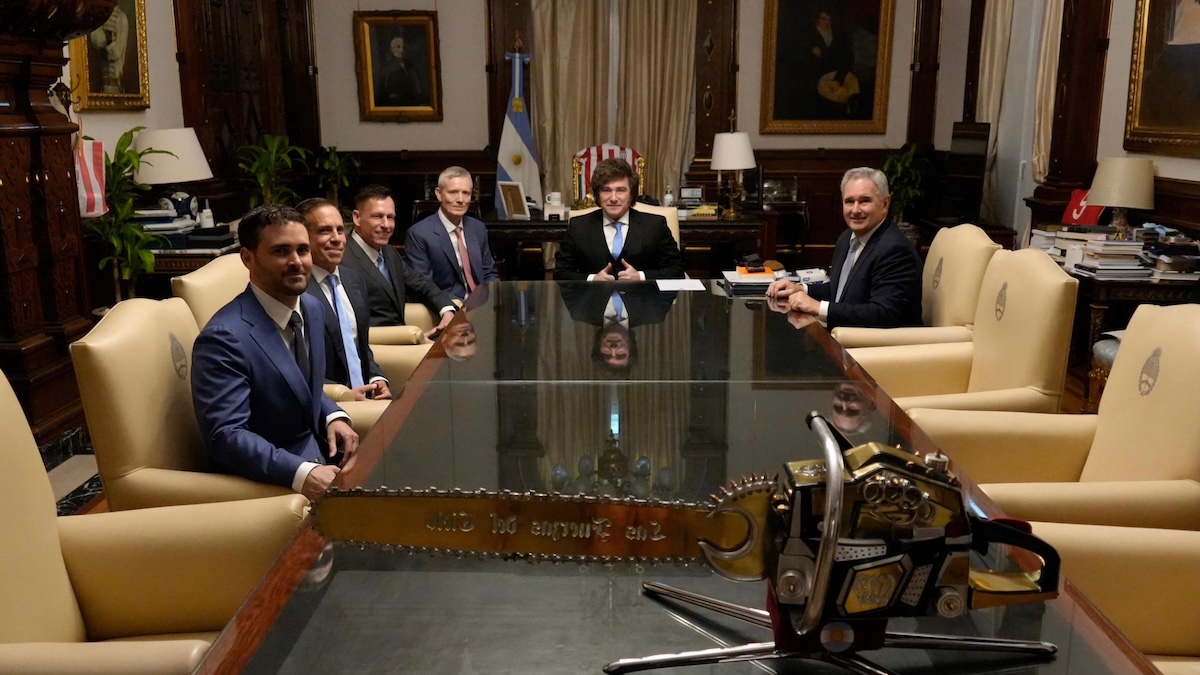
The meeting took place during a visit in which Thiel decided to buy a house in Buenos Aires. Some media outlets claim that the meeting could be a prelude to a major deal between Palantir and the Argentine government.

On his third trip to Israel, Milei signed security agreements, sang, and gave speeches accusing Marx of being satanic. Taken together, his activities in West Asia amount to more than just an official visit.

Half a century after the dictatorship began, the economic course of Javier Milei’s government continues along the same path set by the military regime.

According to Ávila’s account, the ban on his entry came from the highest levels of the government of Javier Milei, a staunch ally of Israel and the United States.

50 years have passed since the coup d’état which installed the last civic-military dictatorship in Argentina which, with US support, used all means to eliminate political opposition. The impacts of this extermination campaign are still felt deeply in Argentine society today.
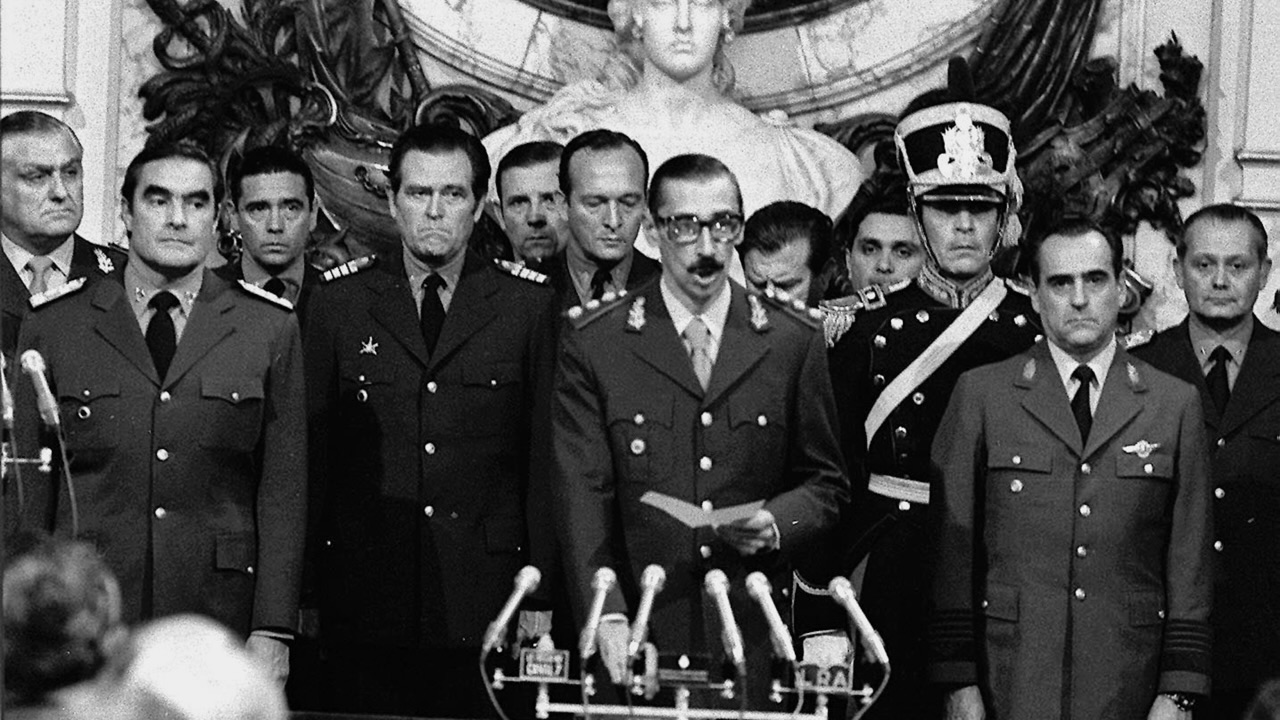
The factors behind the coup d’état, the historical context, and the role of foreign interference are all part of the memory of the dictatorship. The battle over that memory may influence Argentina’s present and future.
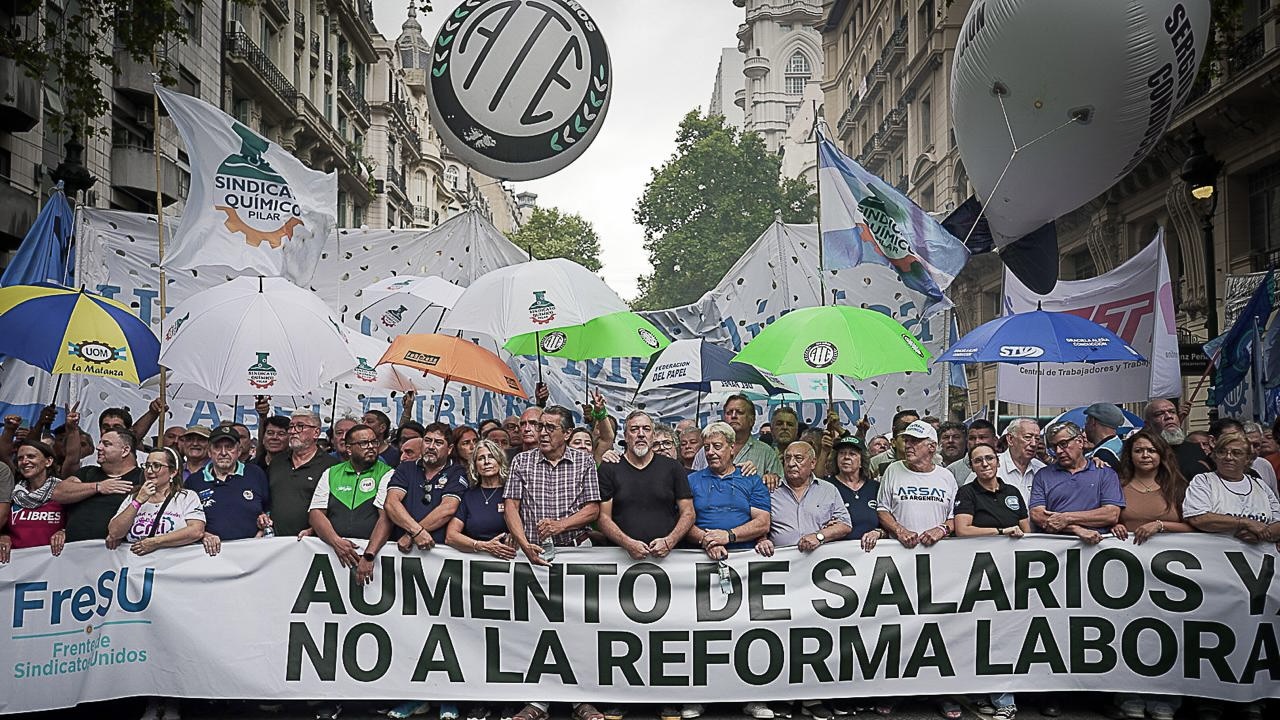
While organized workers seek to repeal the controversial reform, it advances in Congress. It still needs to be ratified by the Senate. Workers claim that it eliminates many of their rights.

The bill has already passed the Senate and will be voted on in the Chamber this Thursday; government promises to repress protests.
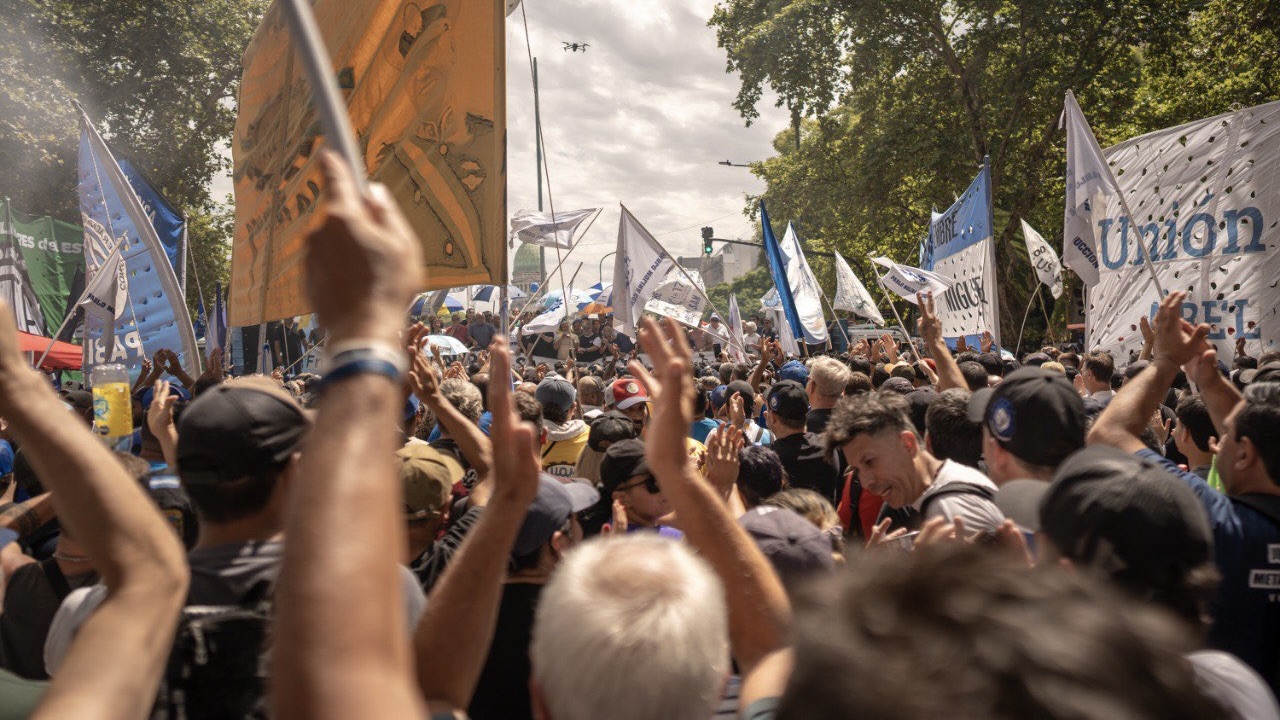
The new law increases daily working hours, weakens unions, and reduces corporate liability. The reform, which still needs to be approved by the Chamber of Deputies before becoming law, has been widely rejected by the country’s most important unions and the opposition.

In this article, we review some of the general trends and attitudes of Milei’s government two years into his term.
- Brazil approves end to 6×1 work schedule and reduction of the work week to 40 hours
- Israel kills 31 people in Lebanon on the eve of Eid al-Adha
- Israel carries out sixth consecutive Eid massacre in Gaza
- Far-right Janez Janša to return for fourth government term in Slovenia
- With peace deal nearly final, US launches fresh attacks on Iran