
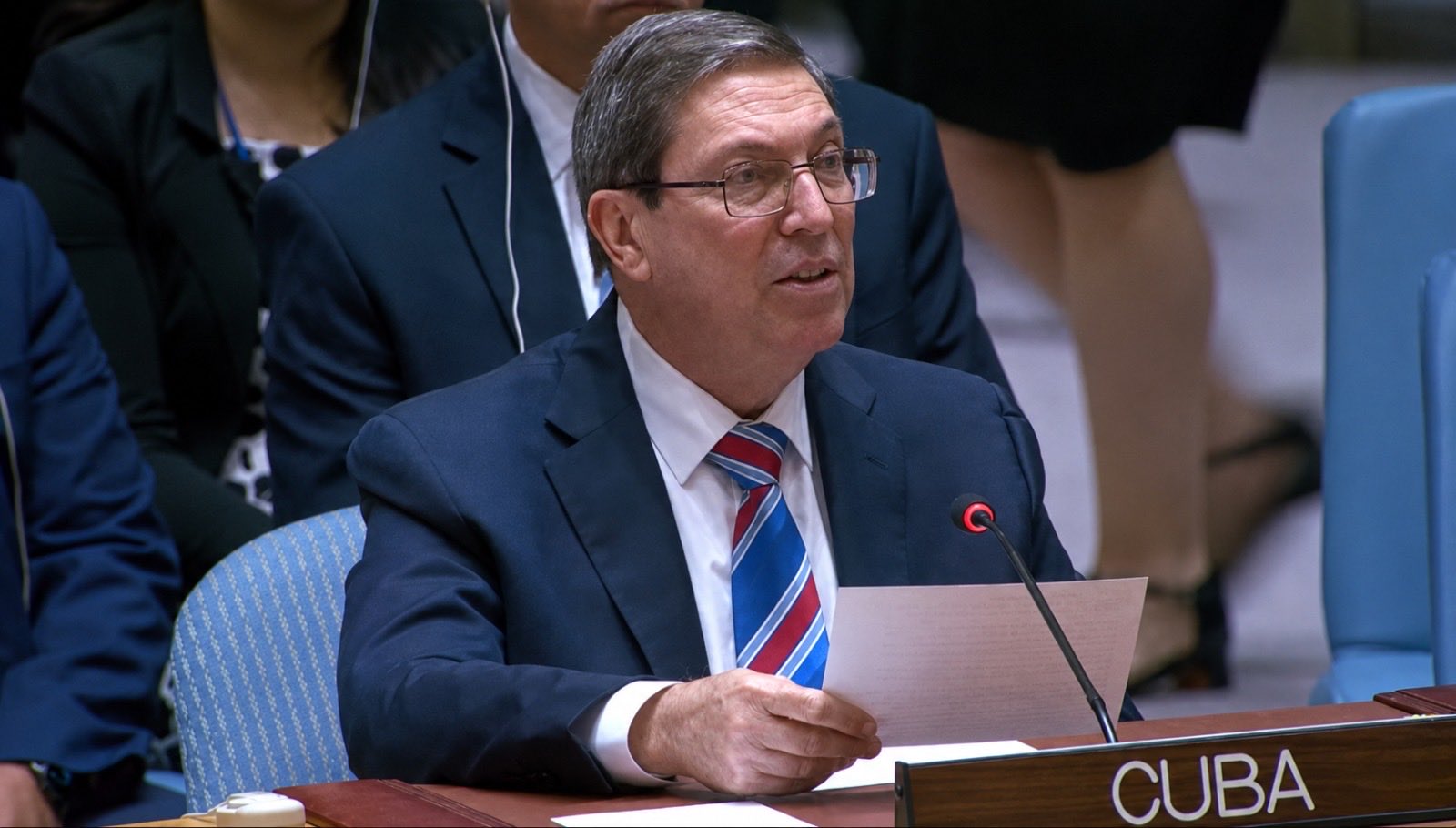
On May 26, Cuban Foreign Minister Bruno Rodríguez addressed the United Nations Security Council to denounce the energy blockade that the United States has unilaterally imposed on Cuba and demanded an end to the “acts of war” against his country.
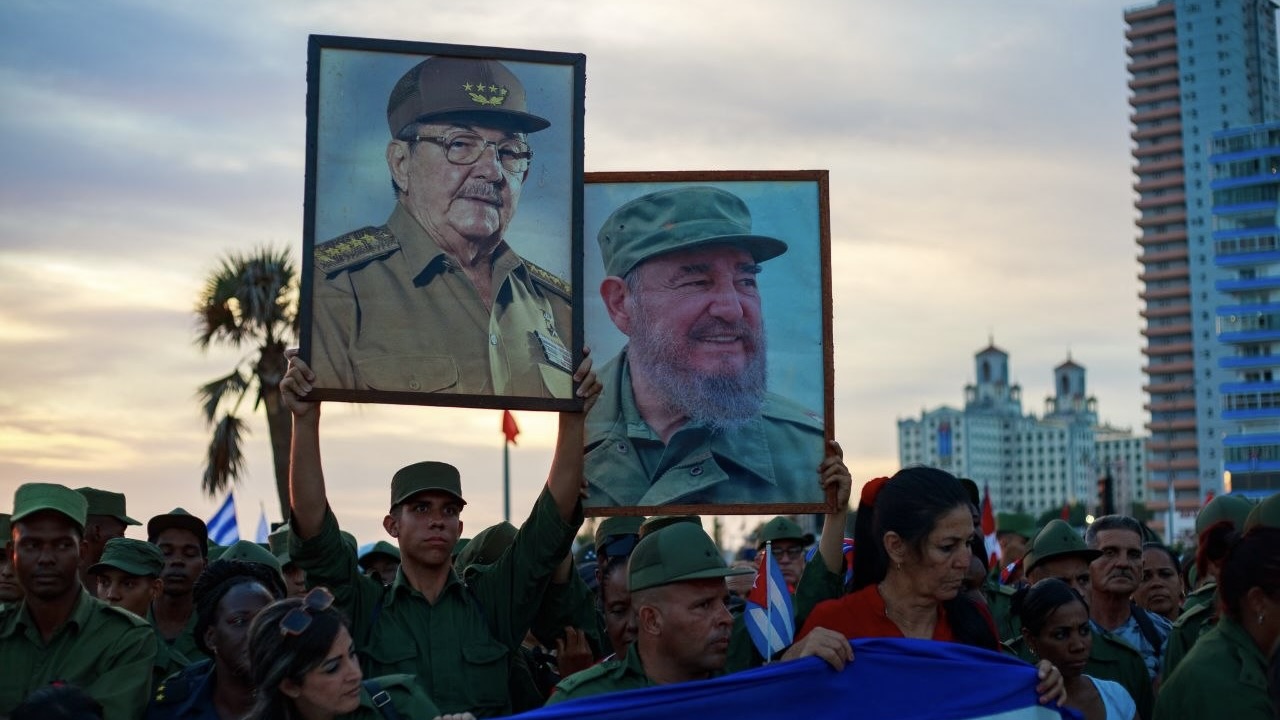
Social and political movements in South Asia also reiterated their solidarity with the Cuban people amidst the prolonged energy blockade imposed by the US and its threats of military aggression.
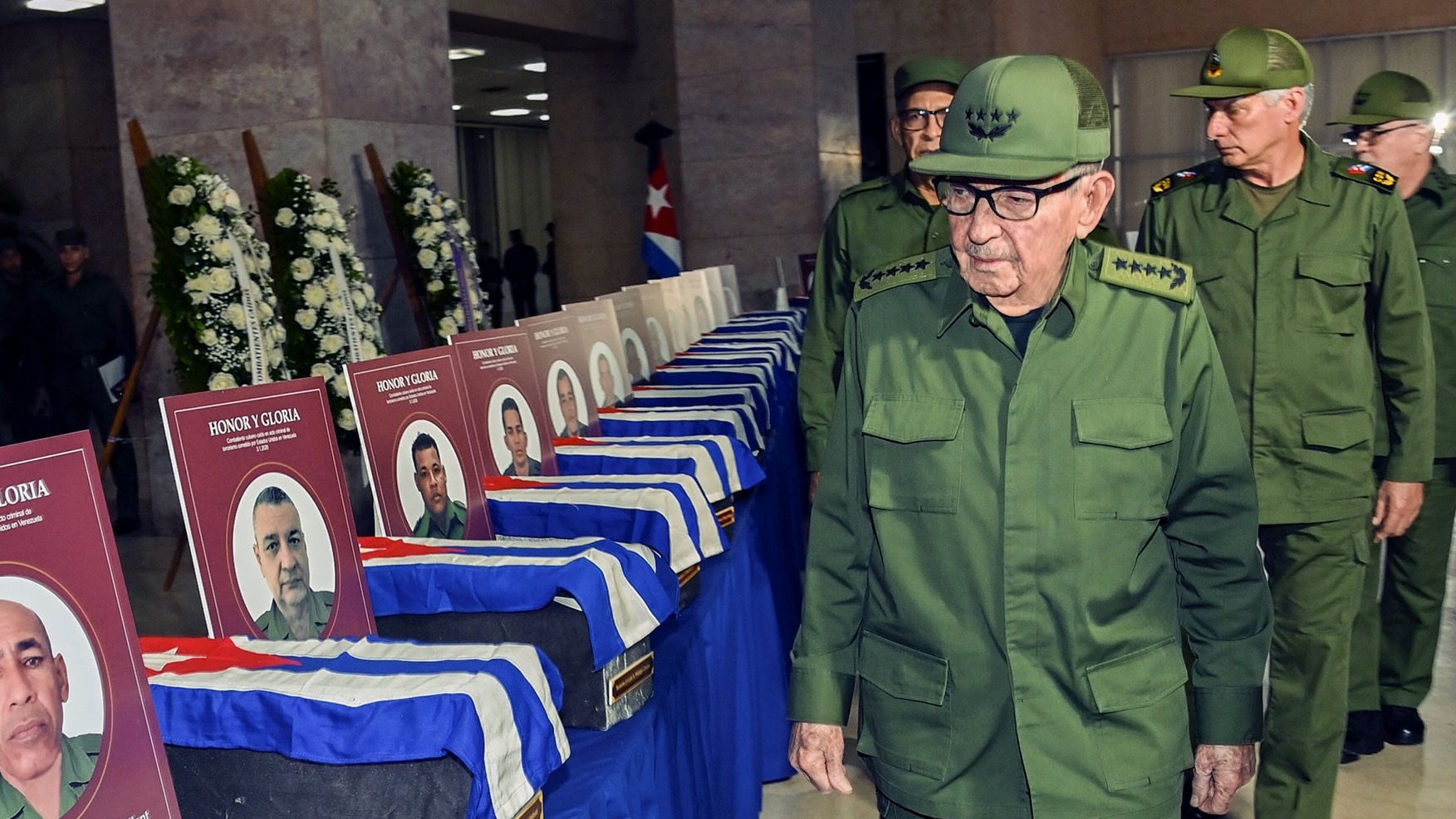
The US Department of Justice has indicted the historic leader of the Revolution for an event that took place nearly 30 years ago. Havana maintains that this is a ploy to justify military aggression against Cuba.
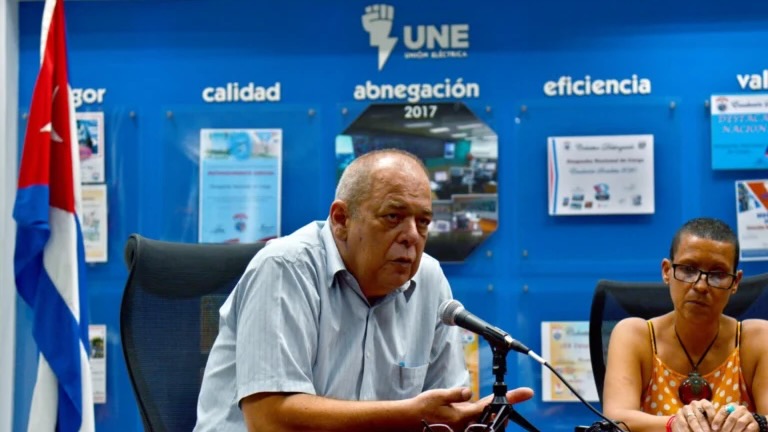
First Deputy Minister of Health, Tania Cruz, said that causing shortages and hardship to millions of people is genocide.
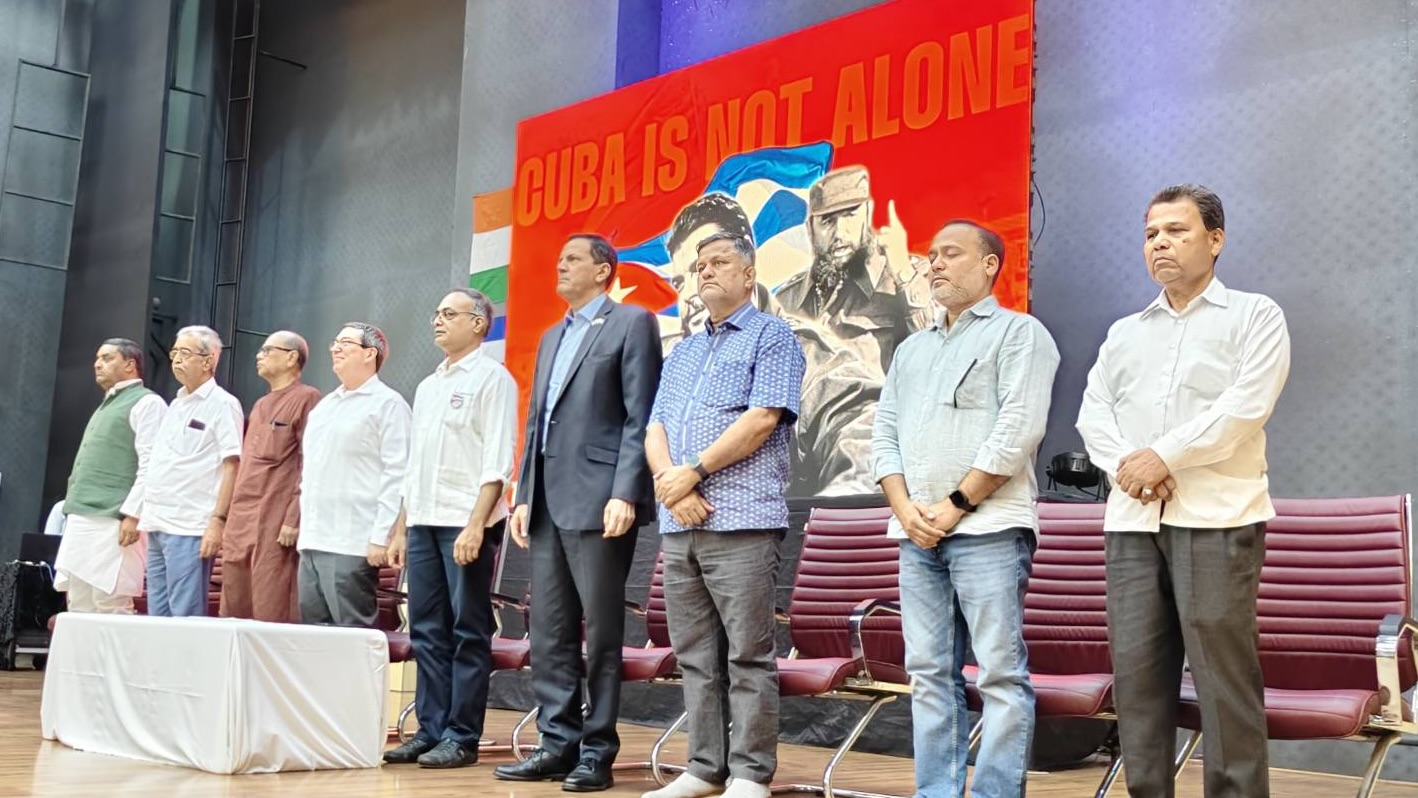
Cuban Foreign Minister Bruno Rodríguez addressed a mass gathering in India’s capital to condemn the tightened US blockade on the island and call for the people of the world to rally in its defense.
The situation has been classified by the United Nations as a “humanitarian crisis” that affects the most vulnerable groups the hardest. The United States insists on its policy of suffocating Cuba at all costs.
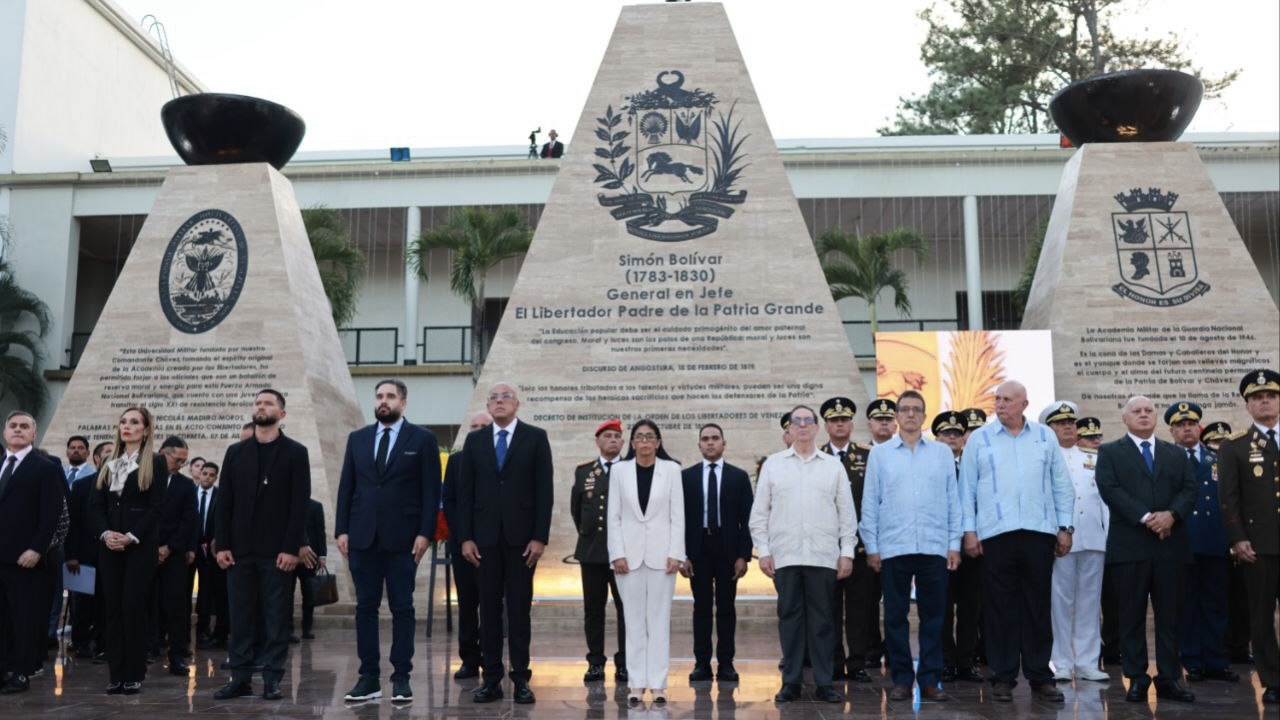
As with other US imperialist endeavors, the US would relish Cuba’s economic collapse triggering a massive humanitarian crisis, no matter how high the number of casualties.
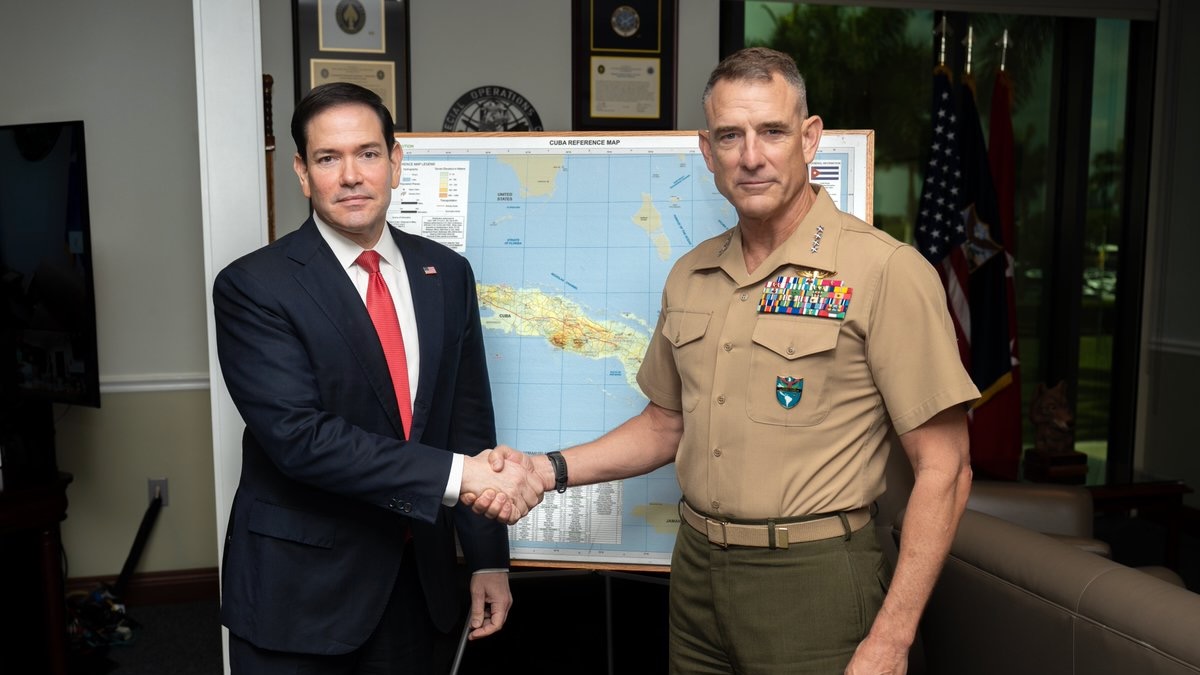
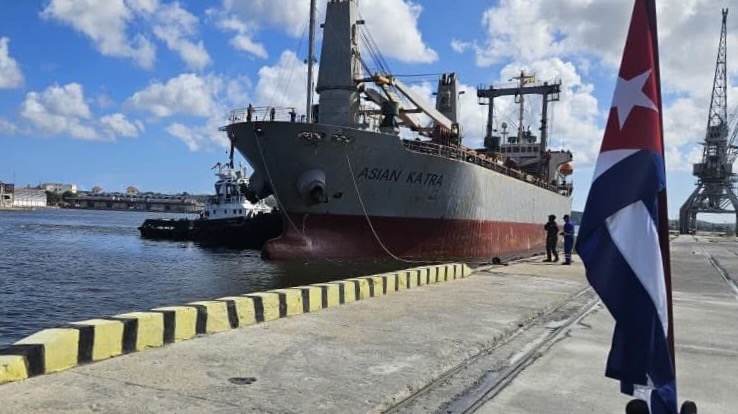
In addition to the new sanctions, Washington has imposed an economic, commercial, and energy blockade on the island. The Cuban president asserts that Cuba is not a threat to the US and vows to defend the homeland against any possible aggression.
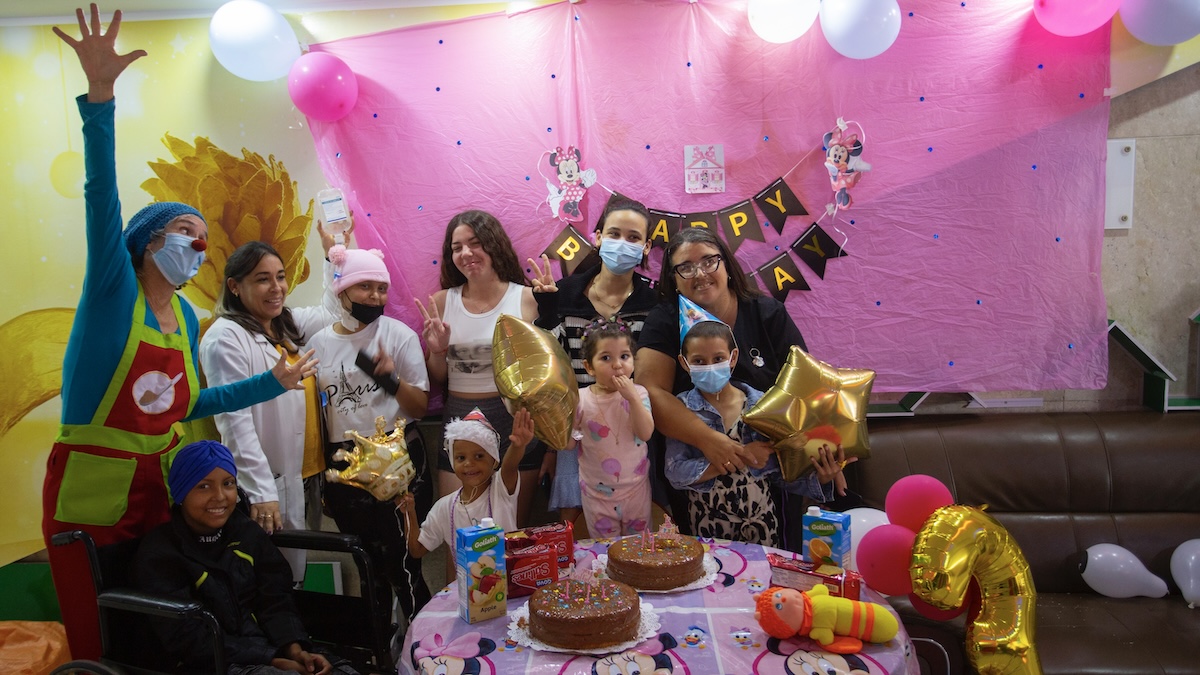
Beyond the headlines about the blackouts and the “inevitable collapse” of Cuba’s government, there are Cuban people determined to resist and to live.
This month’s Anti-Fascist Friday in South Africa commemorated and reflected on the victory at the Bay of Pigs invasion, known in Cuba as Playa Girón, as well as the centenary of Fidel Castro. The event was addressed by Cuban diplomat Jesus Perz and veteran figure of South Africa’s liberation struggle Ronnie Kasrils.
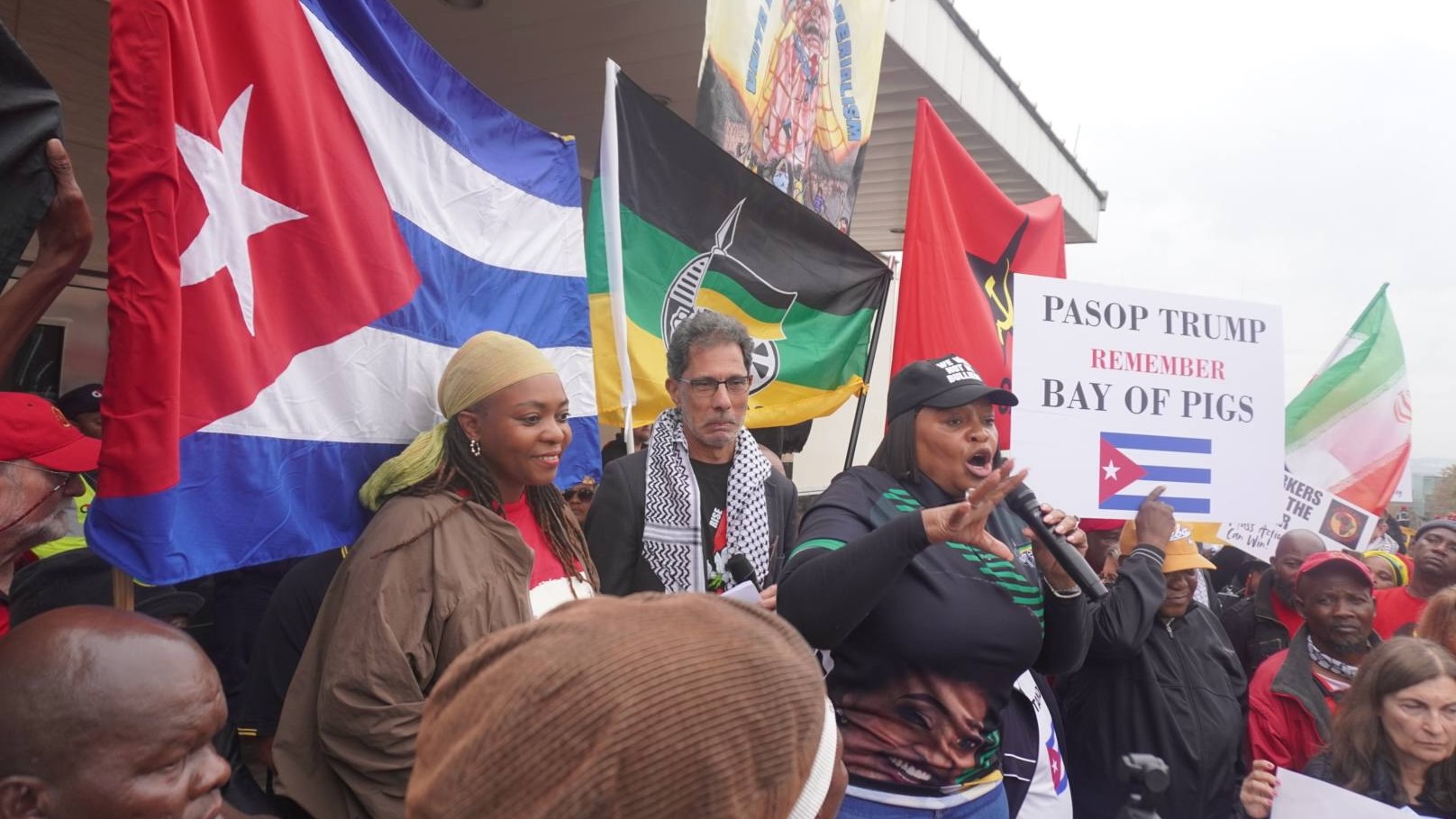
Recalling the sacrifices made by Cubans alongside the combatants of the liberation movements in Africa, protesters expressed unconditional solidarity with Cuba, and condemned the illegal US blockade choking the small island nation.
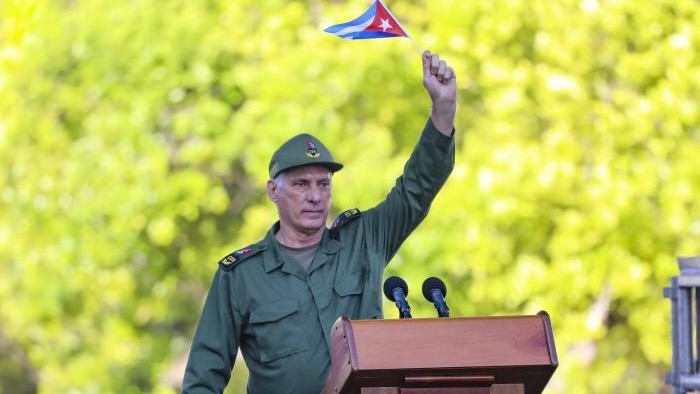
The US president suggested that, following the war in Iran, he might take action against Cuba, in addition to the economic, commercial, and (recently) oil embargo currently imposed on the island. For his part, Cuban President Miguel Díaz-Canel is committed to dialogue, though he asserts that Cuba will defend itself if necessary.
- Brazil approves end to 6×1 work schedule and reduction of the work week to 40 hours
- Israel kills 31 people in Lebanon on the eve of Eid al-Adha
- Israel carries out sixth consecutive Eid massacre in Gaza
- Far-right Janez Janša to return for fourth government term in Slovenia
- With peace deal nearly final, US launches fresh attacks on Iran