
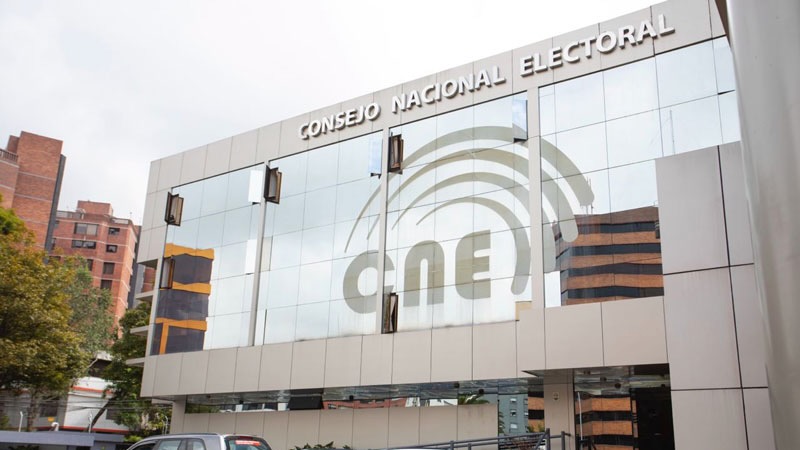
A few months before the local elections, the electoral authority decided to ban two opposition parties, adding to the suspension of Ecuador’s largest opposition party. Several critics claim that this is part of a series of decisions aimed at benefiting Daniel Noboa’s right-wing government.
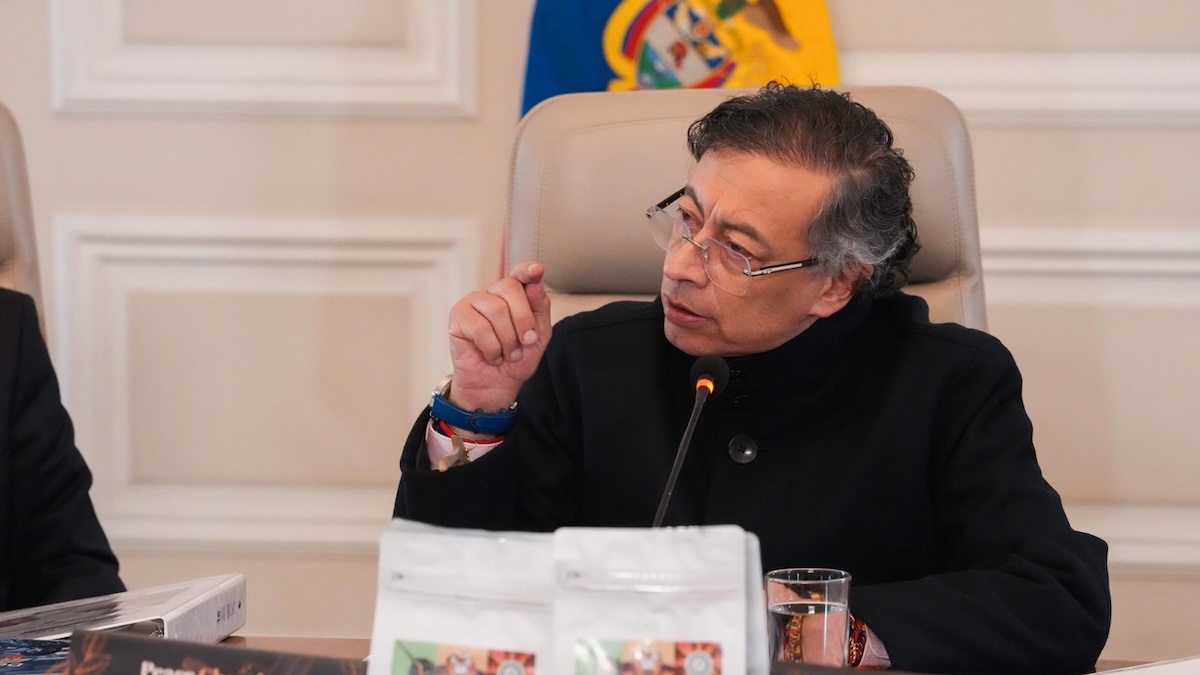
The decision comes amid one of the most significant diplomatic and tariff disputes the two countries have ever had.
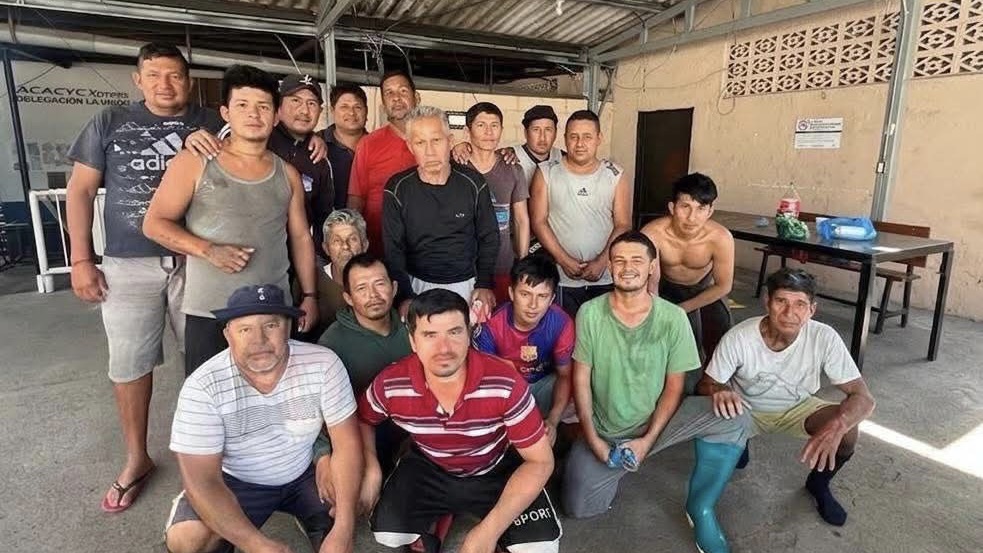
Several fishermen told the newspaper Primicias that they had been attacked, kidnapped, and taken to El Salvador by US ships. The families of several missing fishermen fear that this may have been the fate of their loved ones.
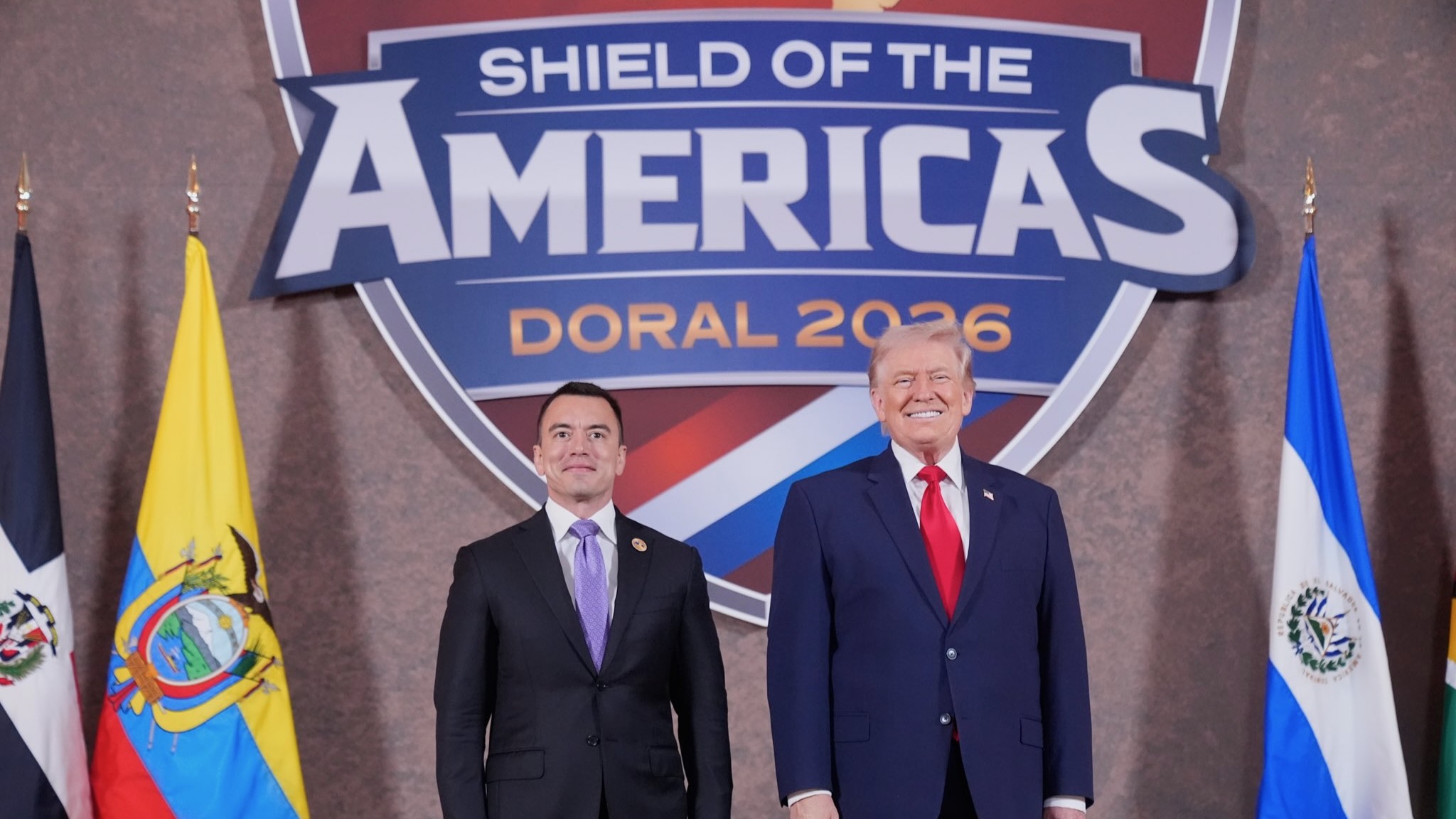
The Noboa regime embodies the logic of elites whose survival depends not on the country’s development but on sustaining imperial domination
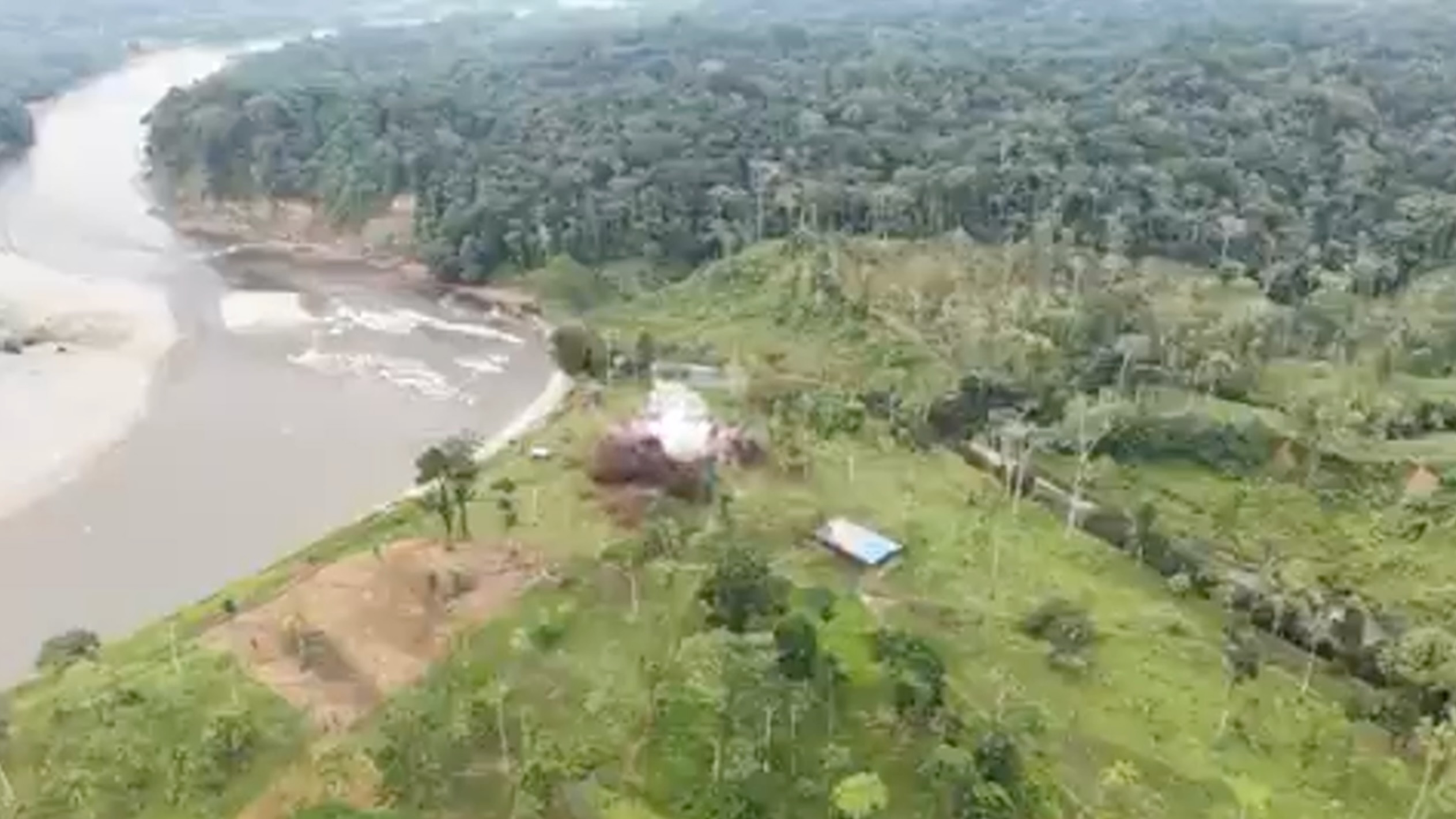
A recent report in The New York Times (NYT) questions a US-backed military operation in Ecuador, through which the US deployed the USS Nimitz in Ecuadorian waters. Noboa, for his part, has signed a controversial trade agreement with Washington, and this appears to have cost him the support of several business leaders.
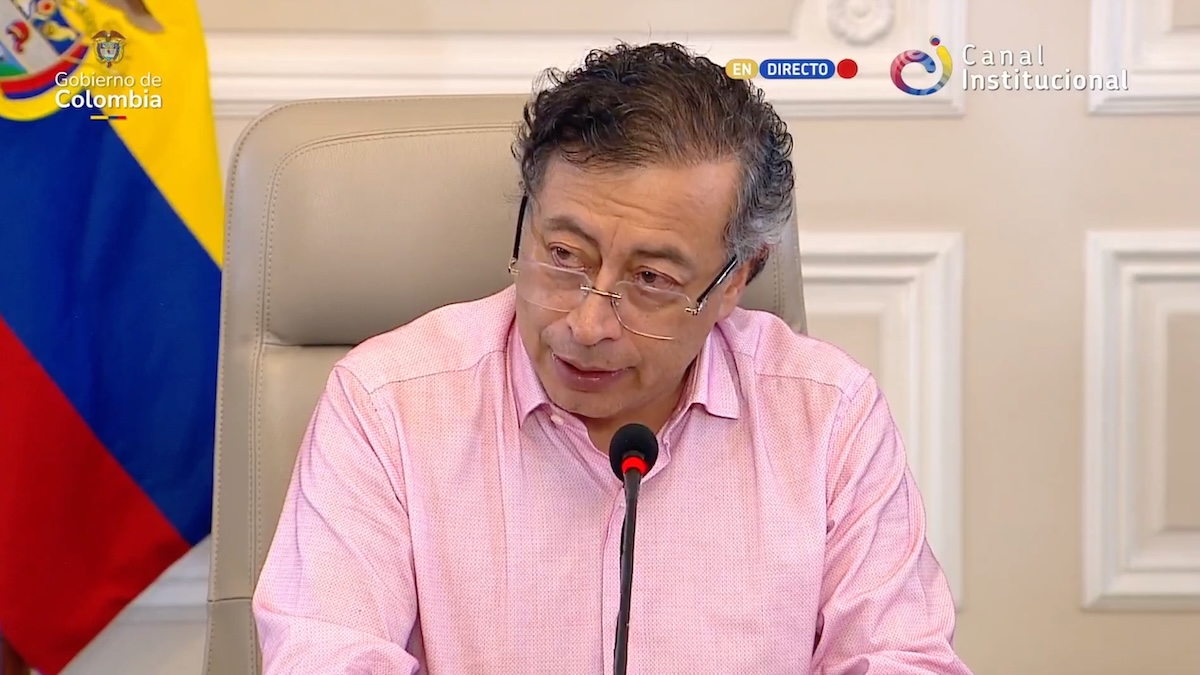
The Colombian president reported that bombings have taken place from Ecuadorian territory. Ecuadorian authorities deny that any shots were fired toward Colombia. The conflict has developed in a relationship between the two countries that, while generally friendly, has seen its share of critical episodes.
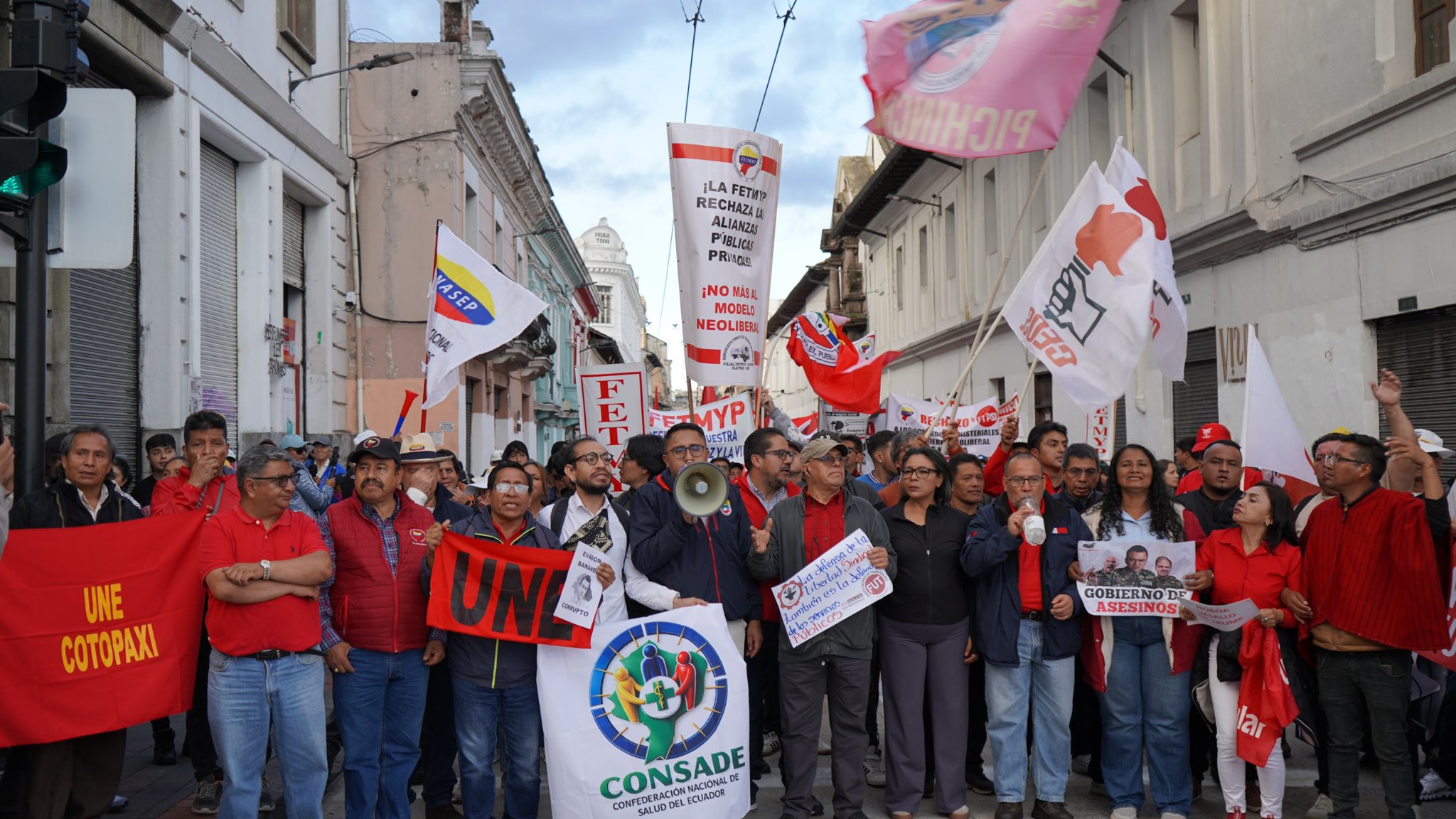
The Noboa administration advanced a decree which mandated an increase of hours in the workday. It was resoundingly rejected on the streets, with many committing to further action.
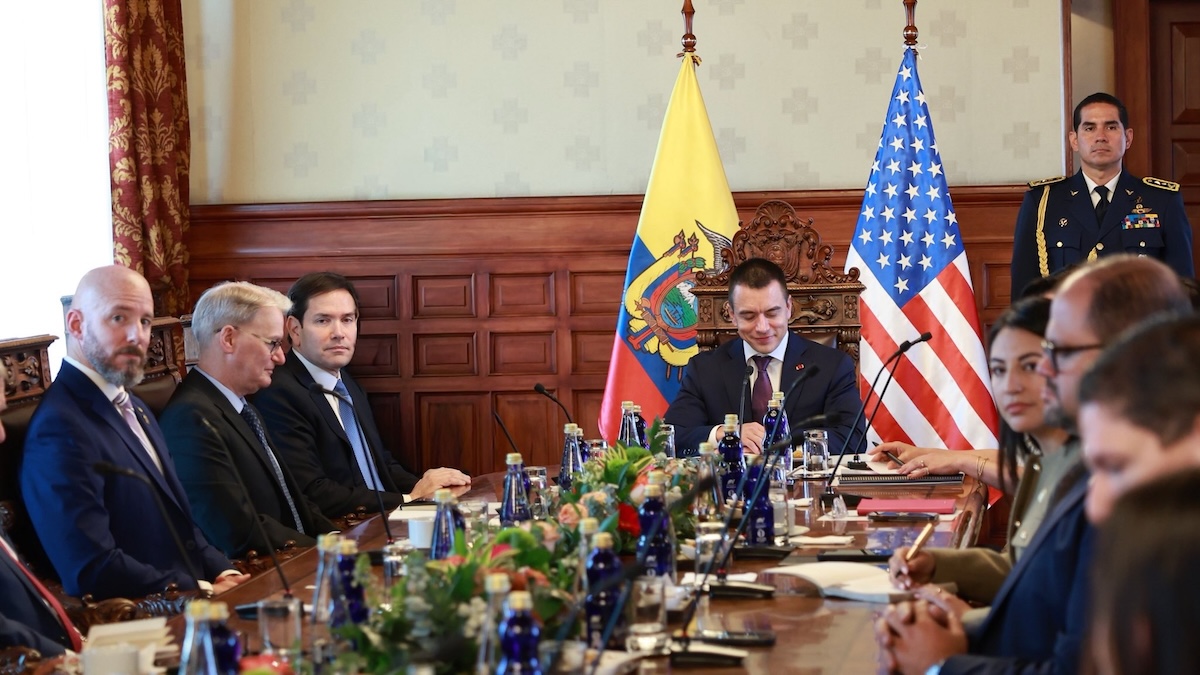
In a country already battered by violent crime, poverty, Noboa governs for capital, seeking to destroy the public sector and reduce the state to its bare minimum, submitting to US dictates through militarization and political repression.
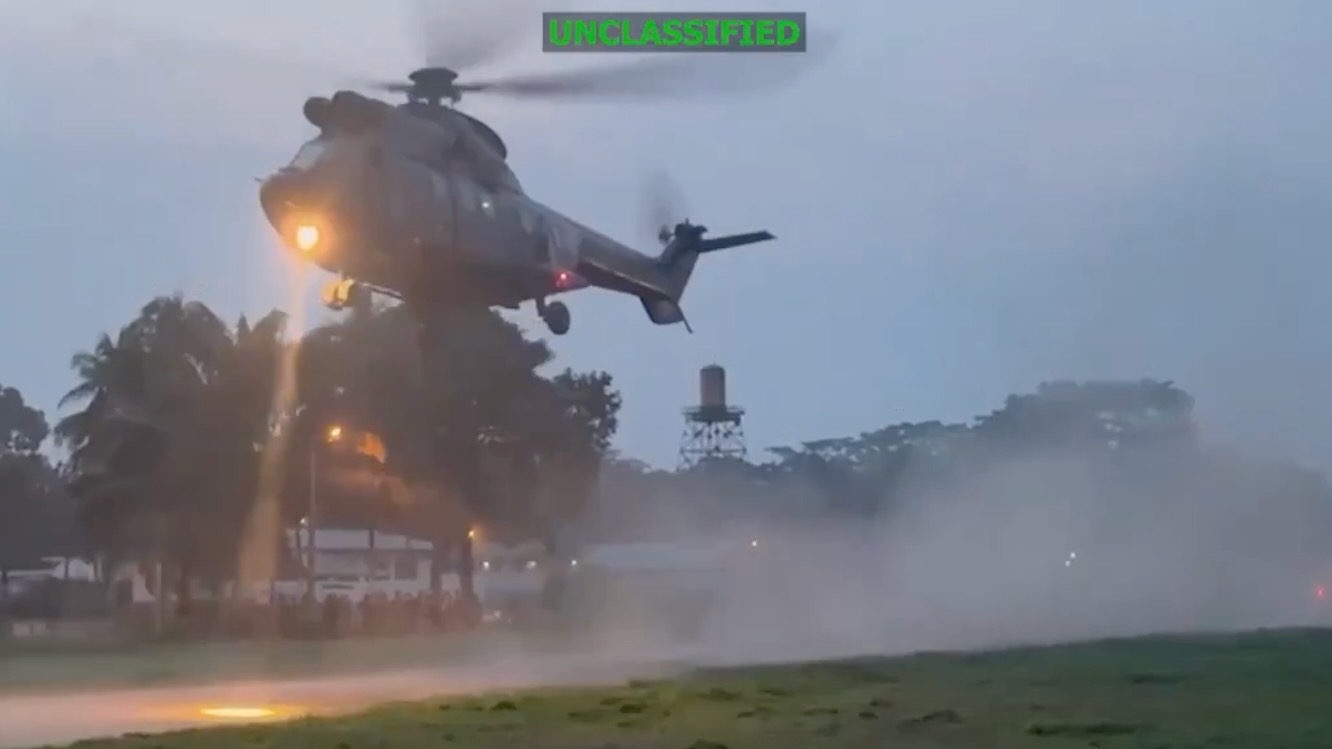
The Noboa administration claims that these are joint military operations against “drug trafficking and illegal mining.”
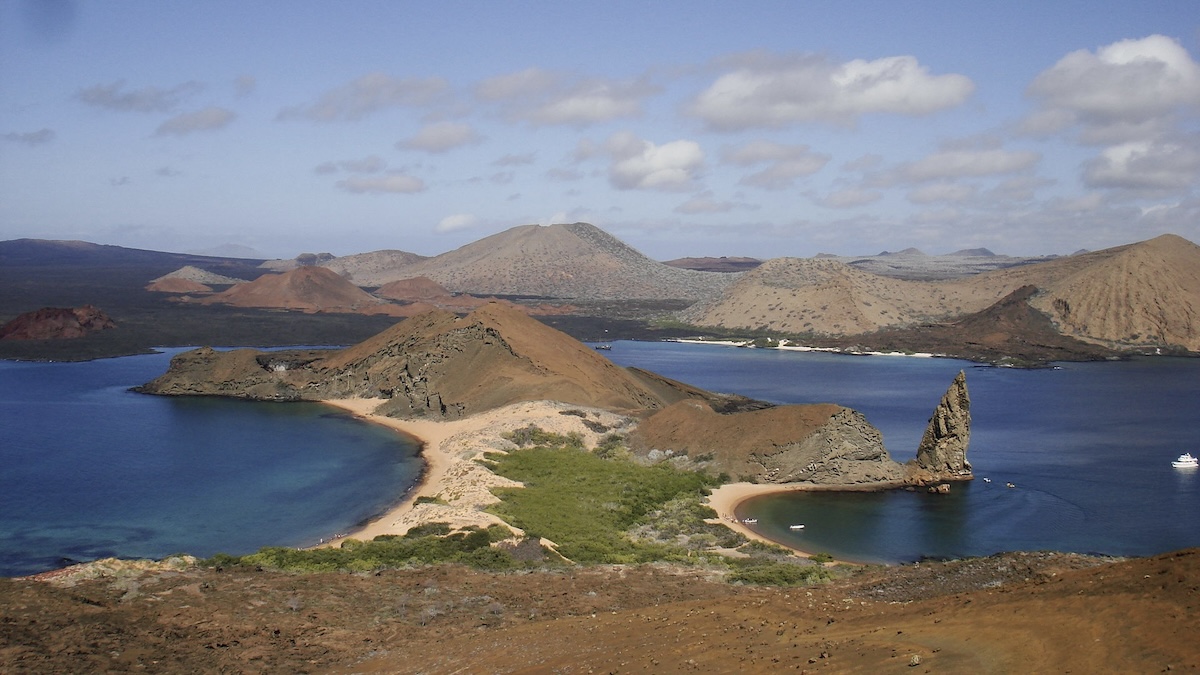
The new mining law contradicts what the Ecuadorian people expressed in recent referendums, but the government decided to push ahead with radical mining exploitation and energy privatization anyway. The decision sparked protests in Quito.

The attackers, shouting xenophobic insults, beat the occupants of the center, who were praying during Ramadan, with sticks, stones, and tear gas.
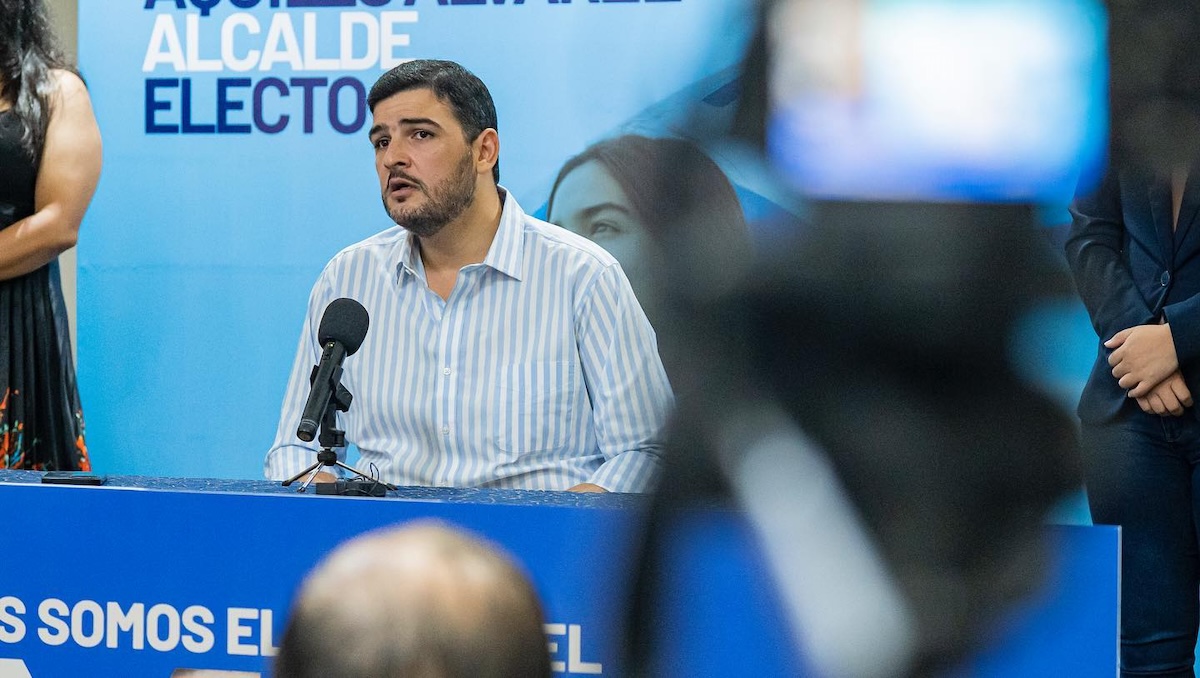
Aquiles Álvarez, mayor of Ecuador’s largest city, was arrested by the police. The prosecutor’s office requested preventive detention. Álvarez’s supporters denounce political persecution amid a scandal in the judiciary.
- Brazil approves end to 6×1 work schedule and reduction of the work week to 40 hours
- Israel kills 31 people in Lebanon on the eve of Eid al-Adha
- Israel carries out sixth consecutive Eid massacre in Gaza
- Far-right Janez Janša to return for fourth government term in Slovenia
- With peace deal nearly final, US launches fresh attacks on Iran