

On the African continent, the question of sovereignty is not a populist watchword. It is the defining question of the moment.
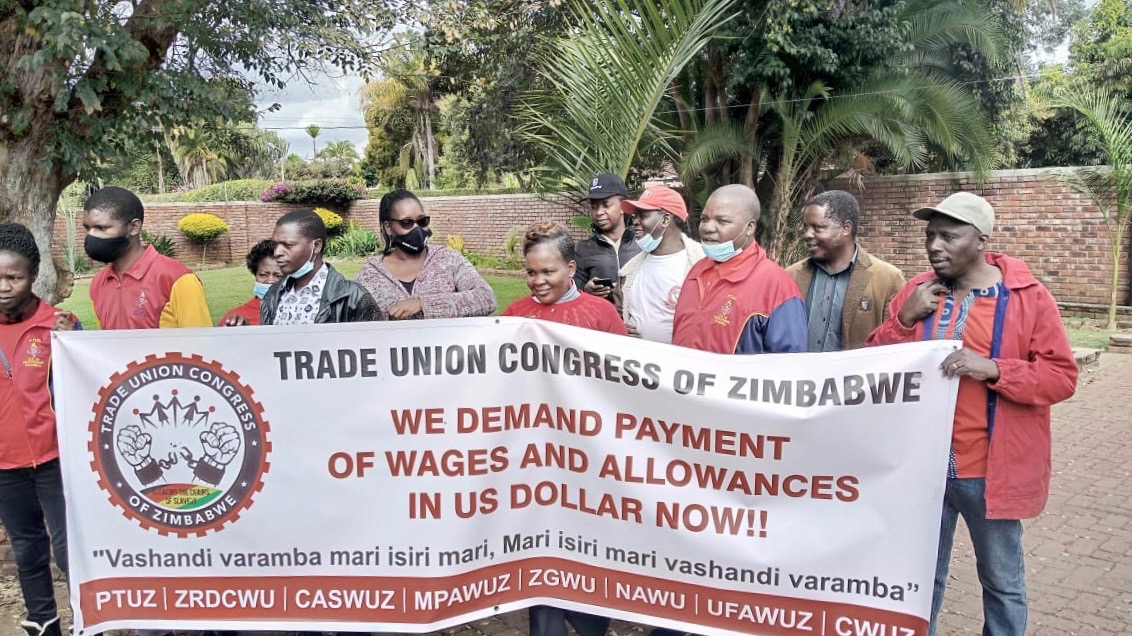
On Nov. 14, Nestlé Zimbabwe workers, led by UFAWUZ, staged a peaceful picket demanding living wages and an end to unfair labor practices. The action follows a protracted wage dispute in which Nestlé refused to increase wages.

A monthly income below the poverty datum line has “rendered our nurses incapable of sending their children to school, buying clothes, affording food, or even securing transport to work,” complained Enock Dongo, president of the Zimbabwe Nurses Association.
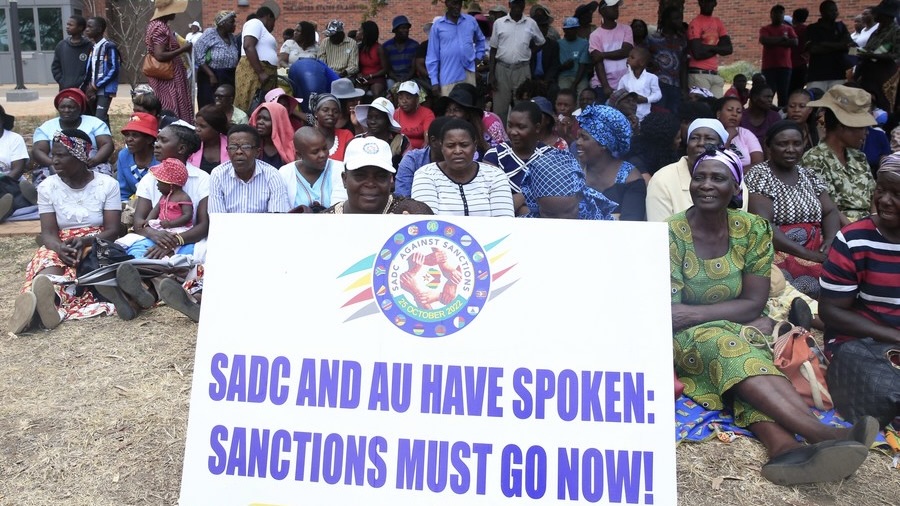
For over two decades, US-led sanctions imposed on Zimbabwe in retaliation to its land reforms have tolled the toiling farmers and workers of the southern African country.
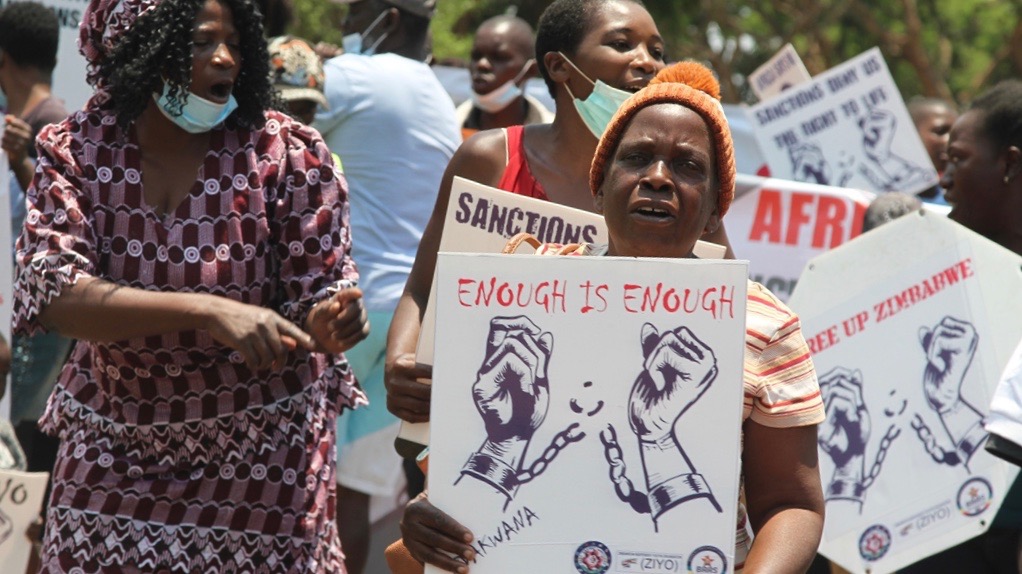
The polls took place amid worsening conditions for majority of Zimbabweans, in an economy long beleaguered by unilateral sanctions. Zimbabwe was cut off from USD 100 billion in grants, loans, and other kinds of support from international and multilateral sources and further lost an estimated USD 42 billion in revenues between 2001 and 2019.
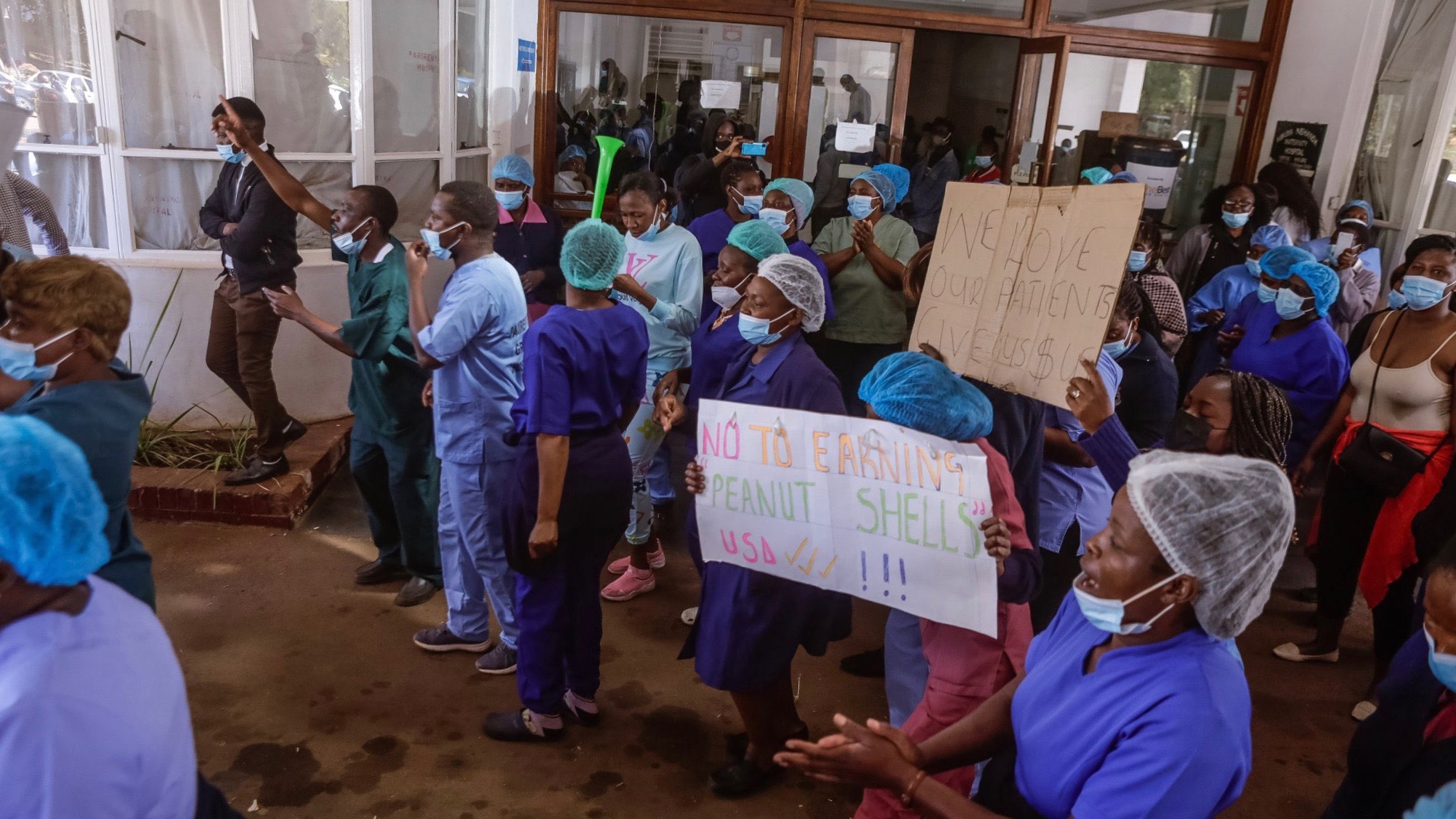
Zimbabwe has announced plans to criminalize the foreign recruitment of its health workers. Over 4,000 health workers have left the country since 2021, as the public health system continues to face issues of low pay and lack of infrastructure
The United Food and Allied Workers Union has been organizing workers at Ingwebu Breweries in a months-long struggle over wages. A major strike is also looming in the sugar industry as workers demand wages in US dollars amid difficult economic conditions

The army’s reach now extends to the media, business, the health sector and even the electoral commission, despite the Constitution being against its involvement in politics.
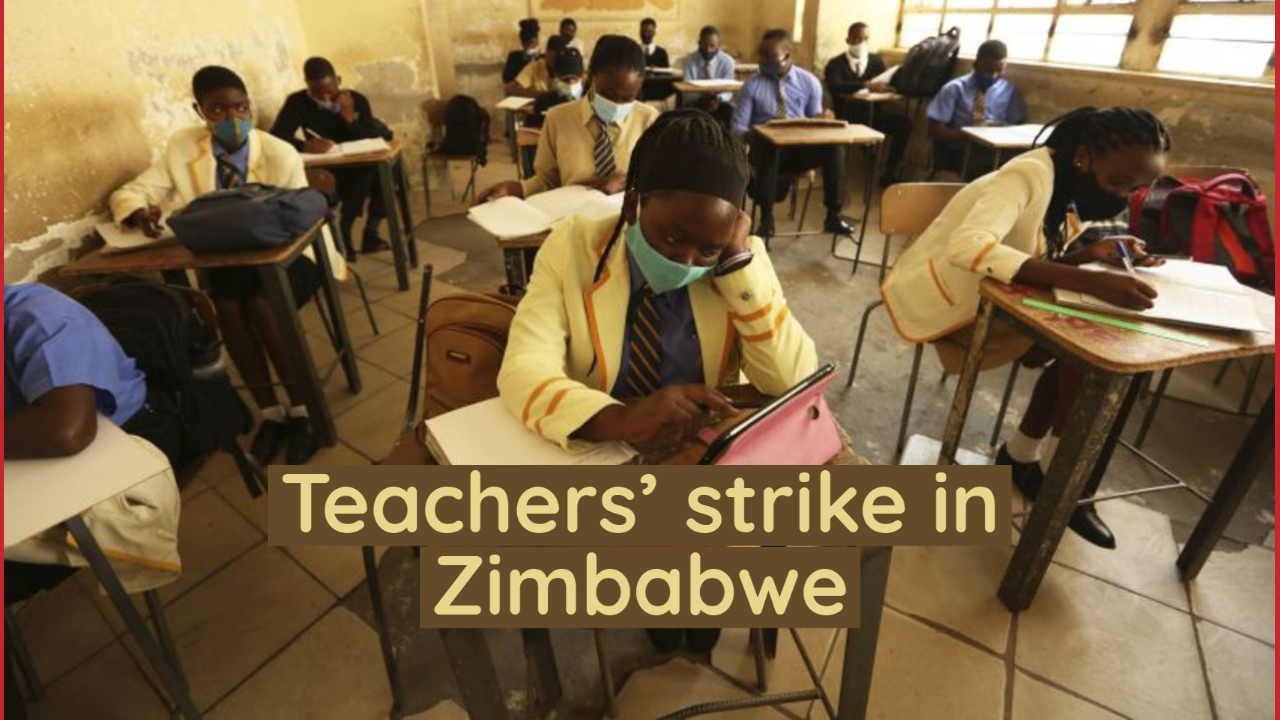
The teachers have seen their salaries decline from an equivalent of around 550 US dollars to a mere 30-35 US dollars in a span of two years.
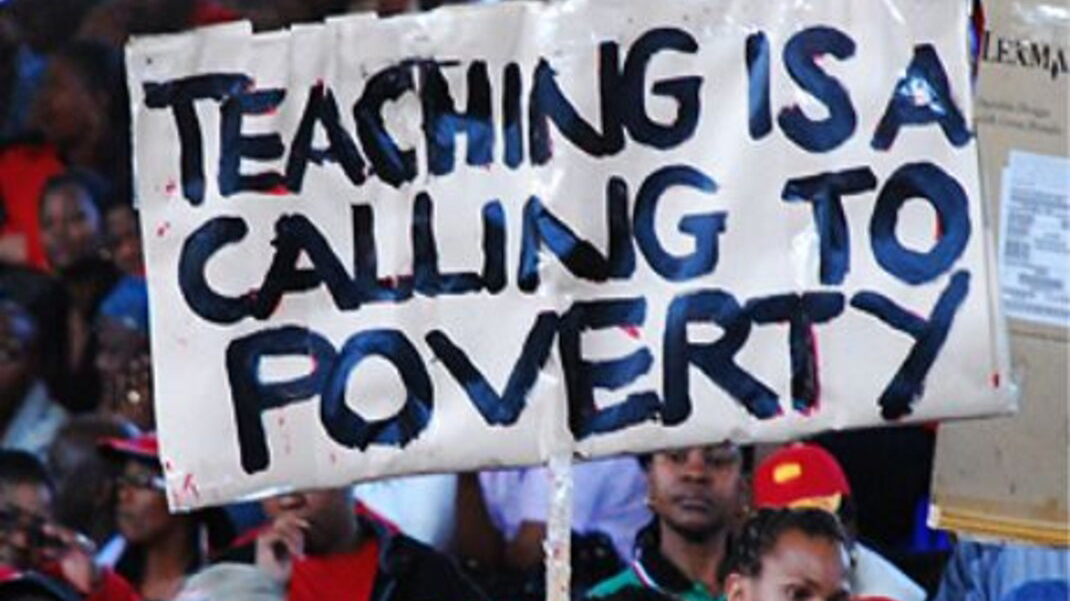
Teachers in Zimbabwe, who are finding it to even difficult to travel to schools due to the decline in the value of their salaries, began staying off from work from September 28

Teachers in Zimbabwe whose salaries have declined from the equivalent of US$550 to a mere US$30-35 over the past two years launched a protest on Monday. The government has threatened to replace them
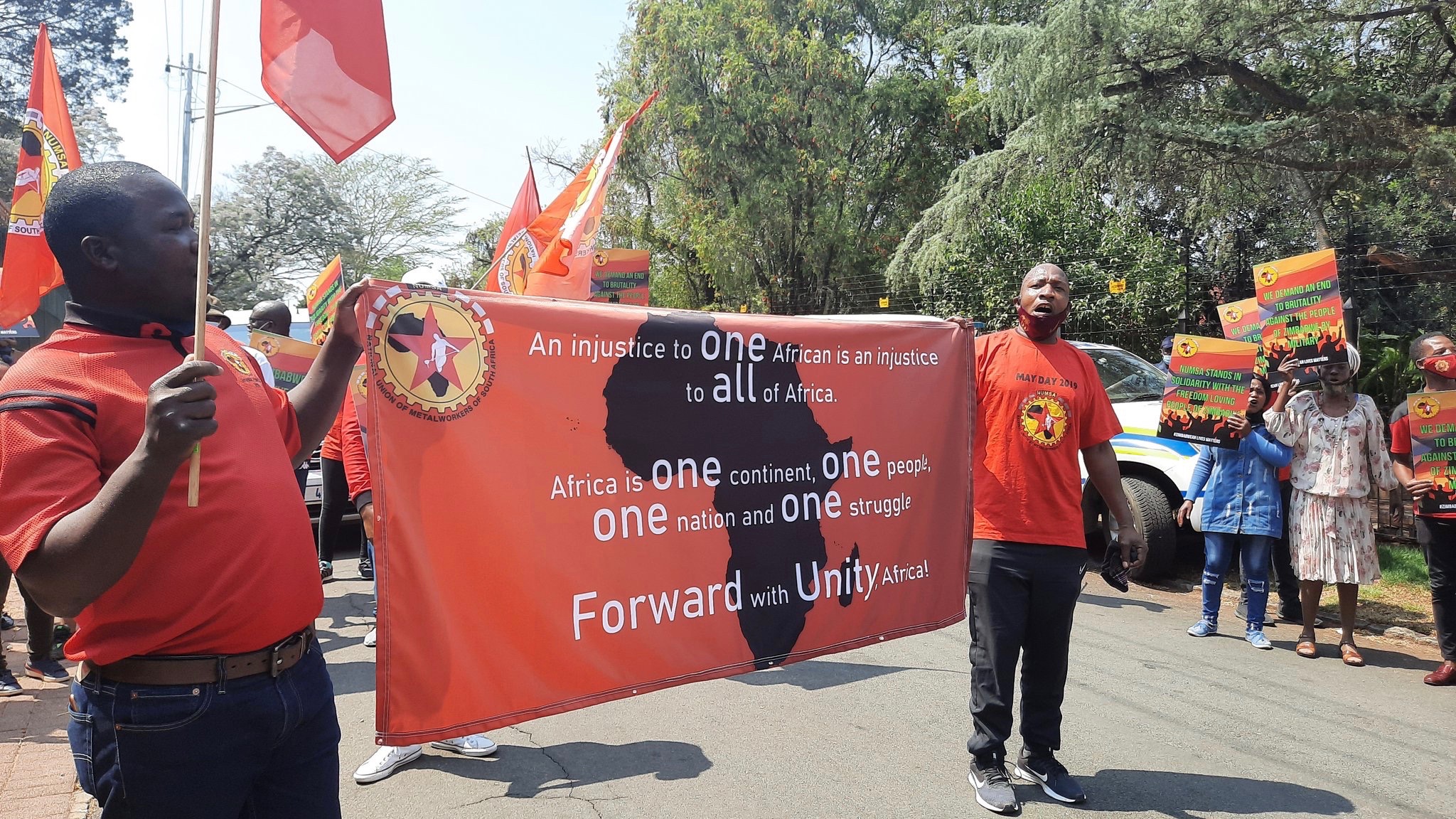
Members of the National Union of Metalworkers of South Africa and their allies hailed the struggle of the people of Zimbabwe people against the increasingly oppressive rule of president Emmerson Mnangagwa
- Brazil approves end to 6×1 work schedule and reduction of the work week to 40 hours
- Israel kills 31 people in Lebanon on the eve of Eid al-Adha
- Israel carries out sixth consecutive Eid massacre in Gaza
- Far-right Janez Janša to return for fourth government term in Slovenia
- With peace deal nearly final, US launches fresh attacks on Iran