
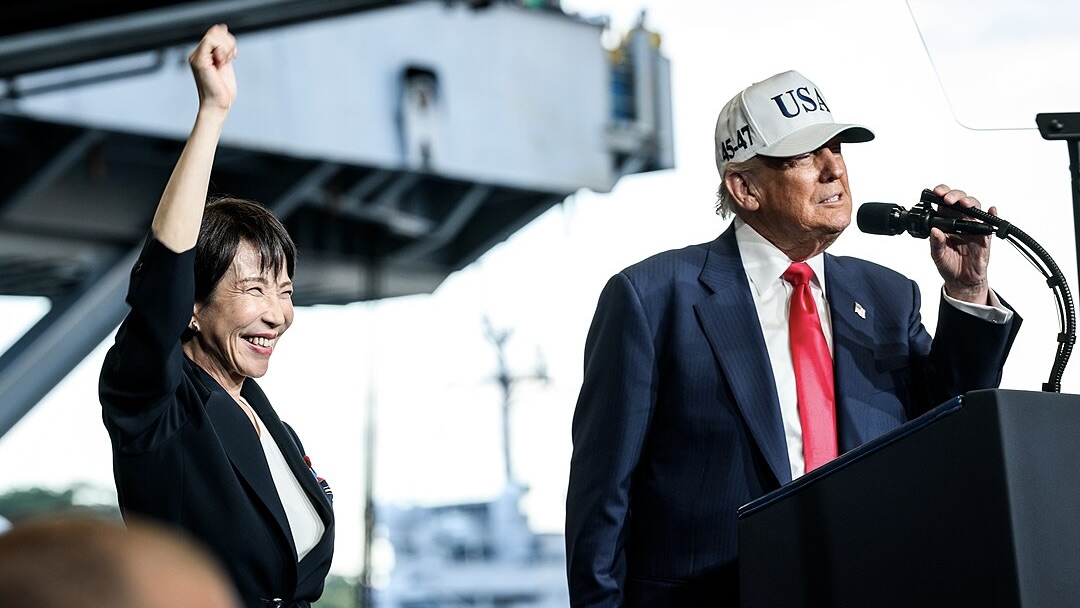
The Takaichi-led conservative coalition has tried to maximize its electoral prospects by promises of balancing its militaristic nationalism with the growing economic concerns of the people
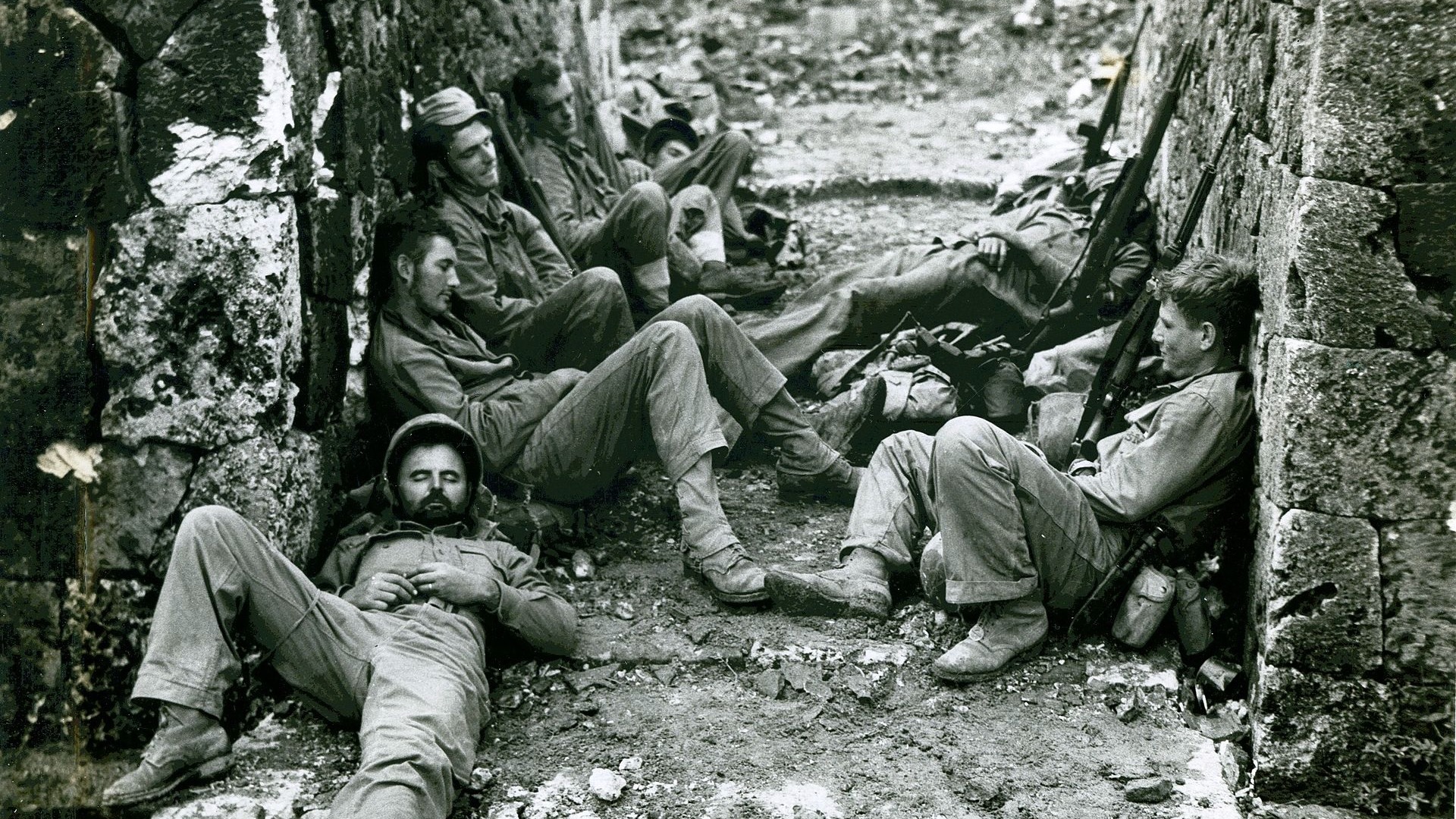
Okinawa reminds us that war does not begin with bombs. It begins with stories, about enemies, about threats, about inevitability.
Analyst Peter Yang examines how Japan’s recent comments on Taiwan reflect its deeper anxieties rooted in its imperial past amid China’s rise.
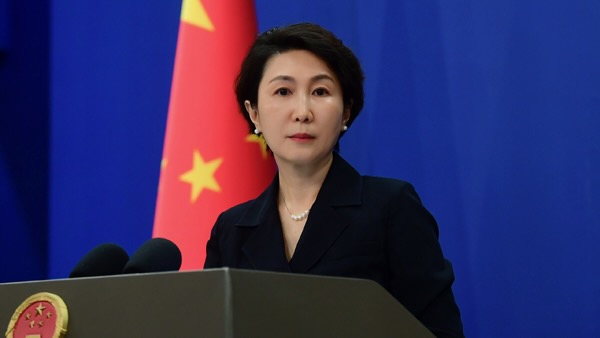
Though Japan recognizes the “one-China policy”, earlier this month its prime minister, Sanae Takaichi, threatened military intervention if China tried to unify Taiwan with the mainland.
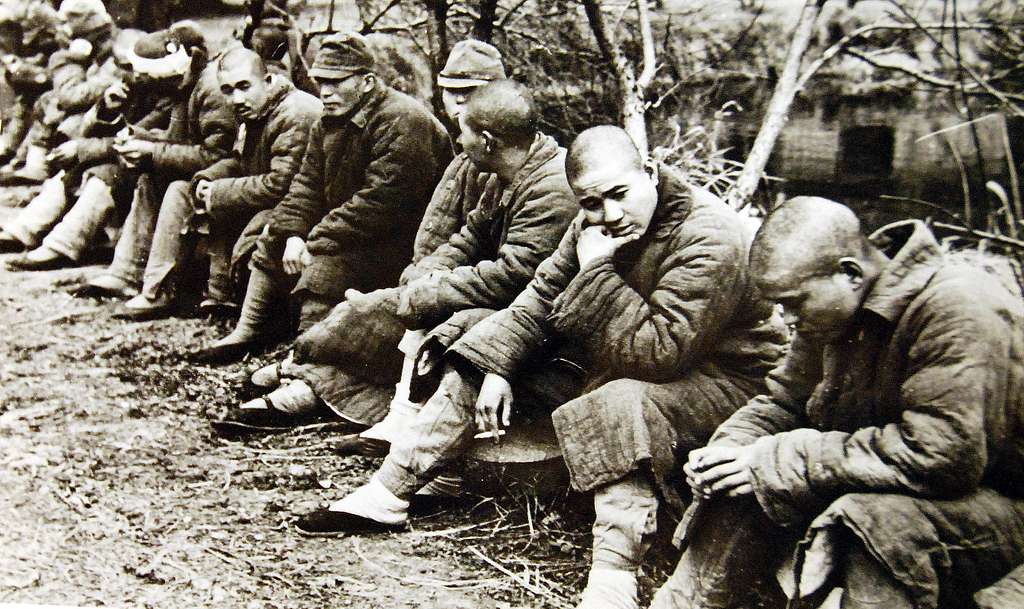
8.7 million colonial subjects died during the World Anti-Fascist War – ten times the Anglo-American death toll. Of these 3.4 million people were killed in the Dutch East Indies, 1.5 million in Indochina, and 345 thousand in Burma.

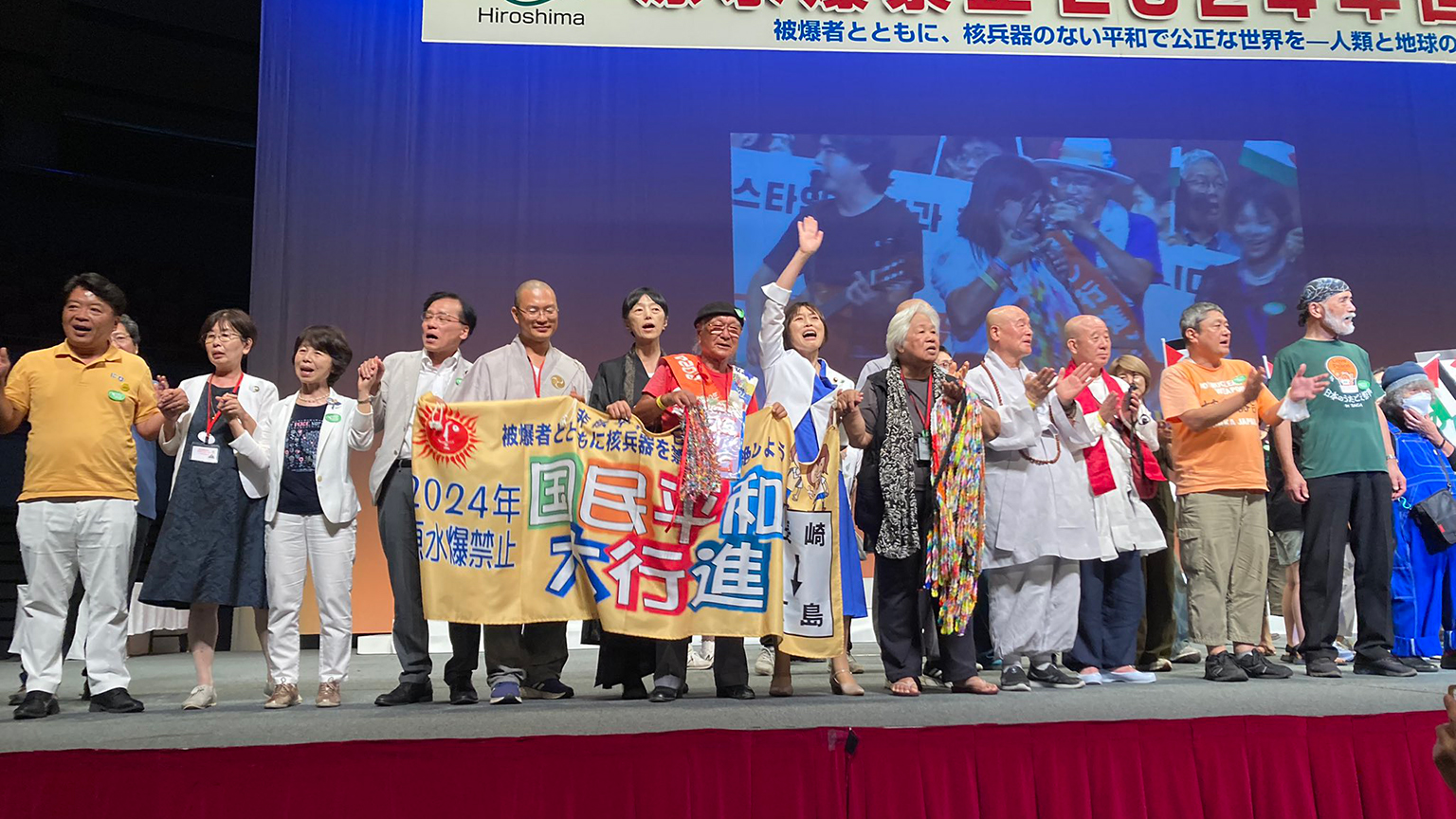
The US bombing of Japan pushed millions in the country to fight for a world without nuclear weapons and with peace.
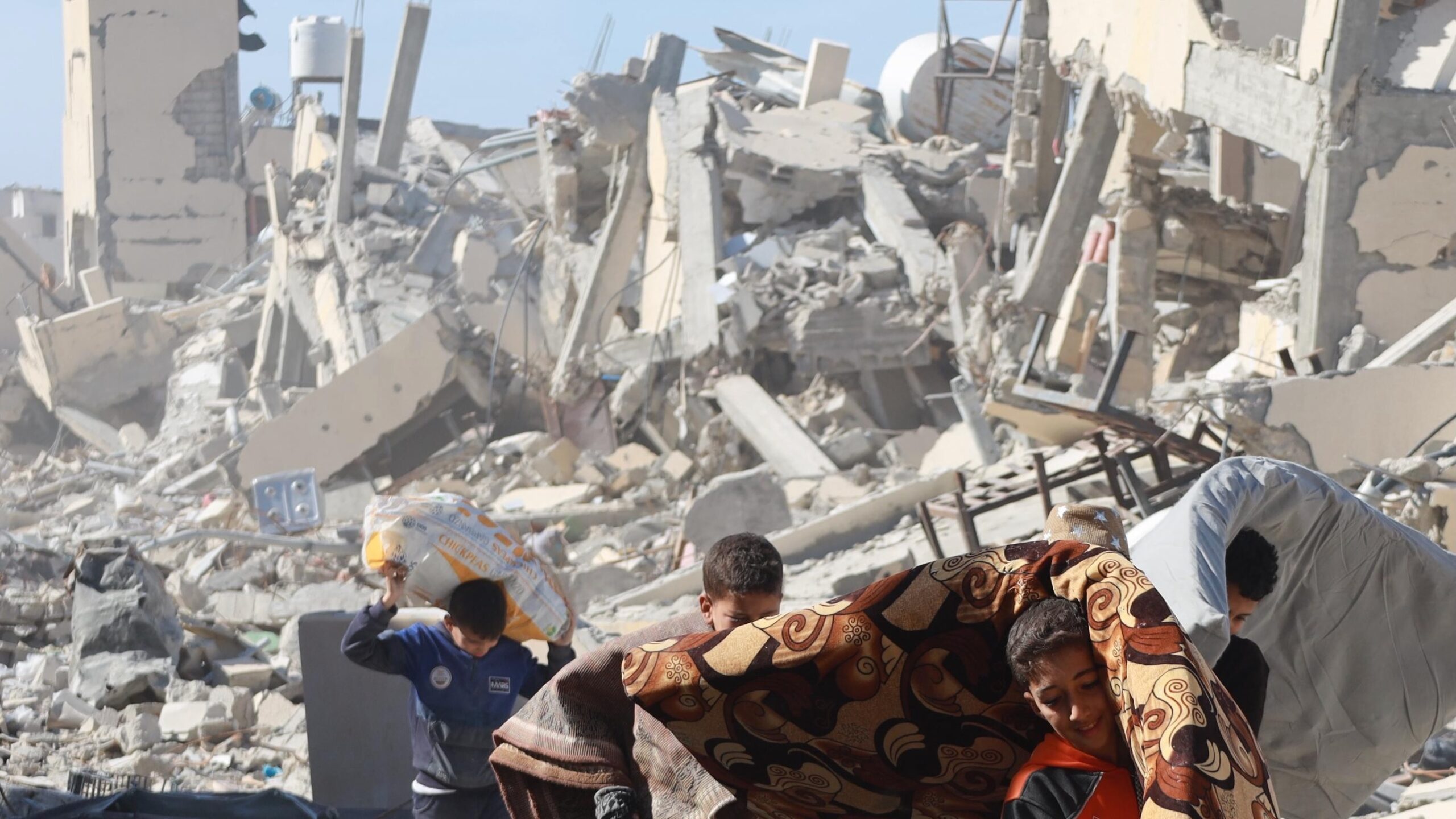
The world appears to have learned nothing from the most horrifying crime against humanity in modern history.
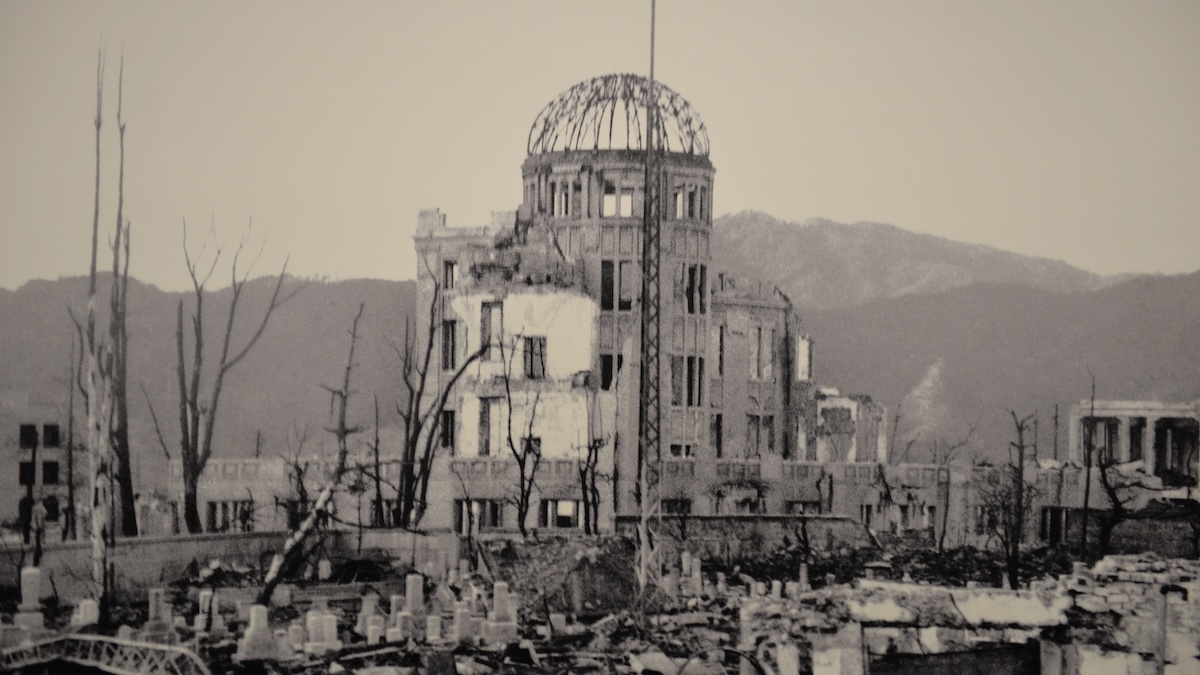
The US and Israeli bombings of Iran’s nuclear sites violated basic tenets of nuclear non-proliferation, ironically demonstrating to countries pursuing independent development the need to build nuclear deterrent.
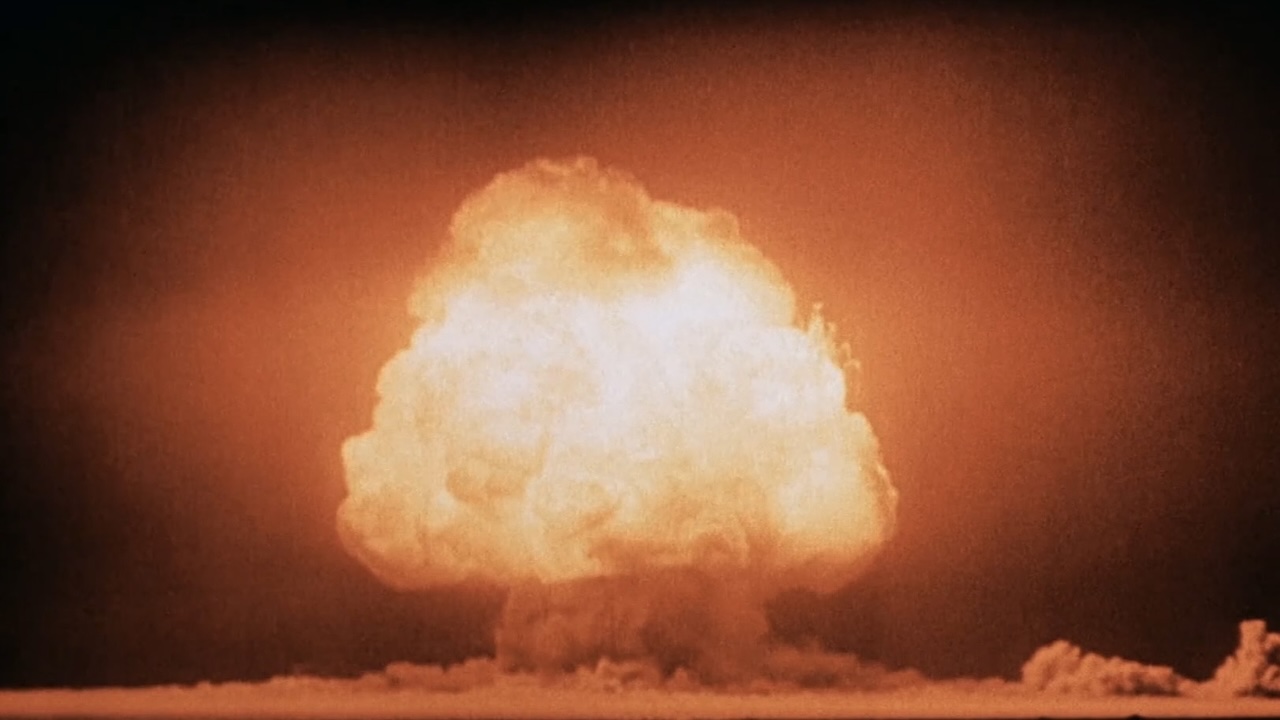
As Japan mourns the loss of hundreds of thousands from the bombings and many more to long term health effects, the influence of first use of nuclear weapons is still felt in US society
US bombings of the Japanese cities Hiroshima and Nagasaki on August 6 and 9 of 1945 are the only incidents of nuclear bombings in world history
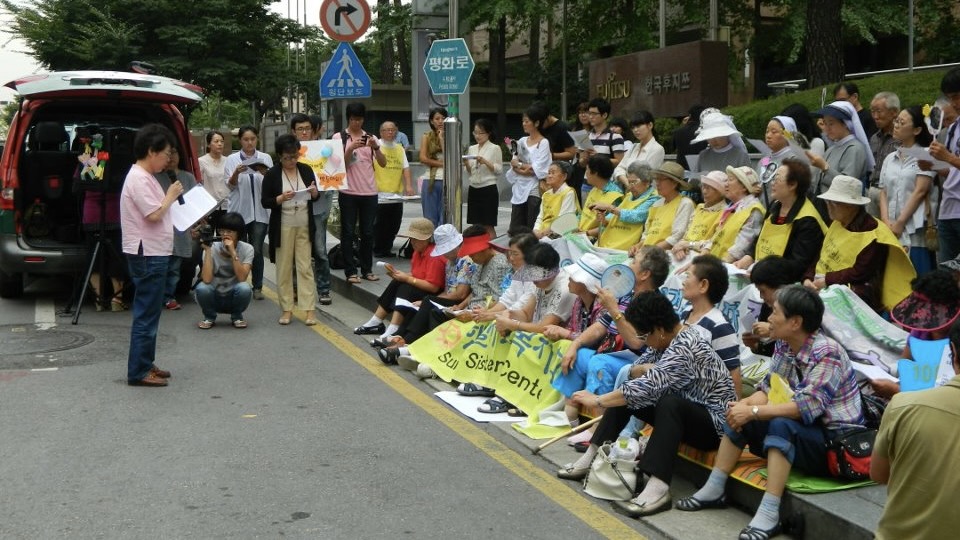
South Korea’s Supreme Court has upheld lower court orders to two Japanese companies to compensate 11 forced wartime labor victims
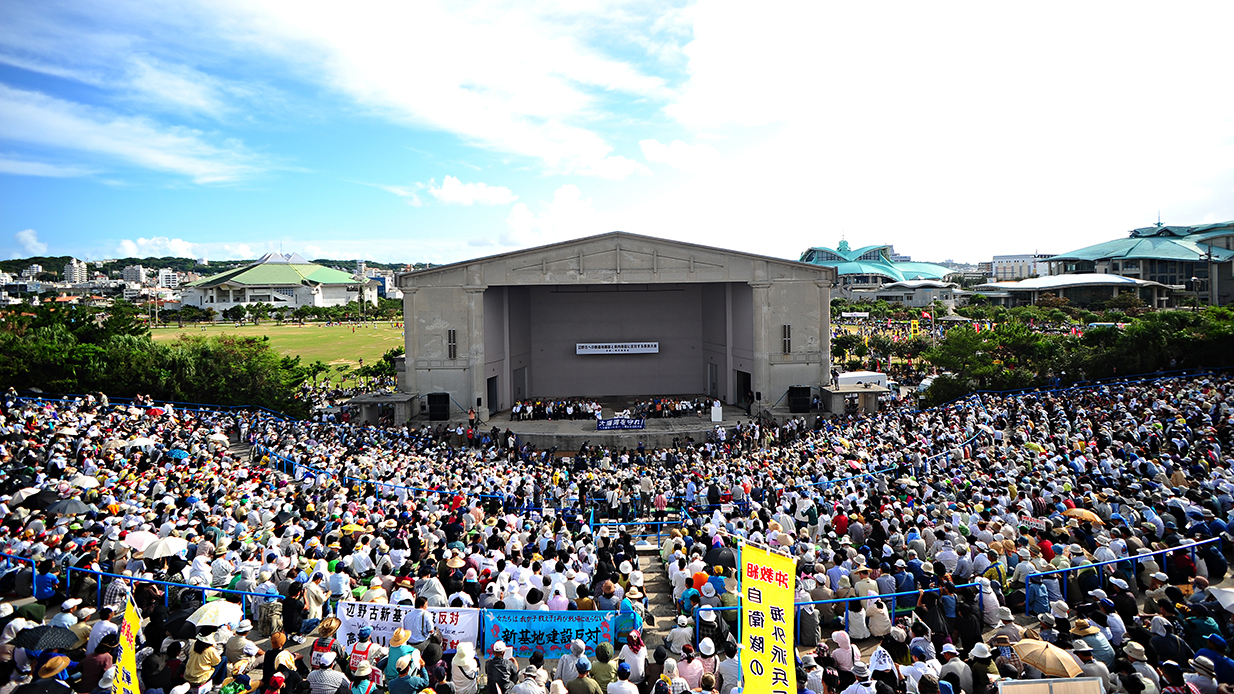
If Okinawa is an unsinkable aircraft carrier for the US to wage war, it can also become a bastion for movements to wage peace.
- Brazil approves end to 6×1 work schedule and reduction of the work week to 40 hours
- Israel kills 31 people in Lebanon on the eve of Eid al-Adha
- Israel carries out sixth consecutive Eid massacre in Gaza
- Far-right Janez Janša to return for fourth government term in Slovenia
- With peace deal nearly final, US launches fresh attacks on Iran