
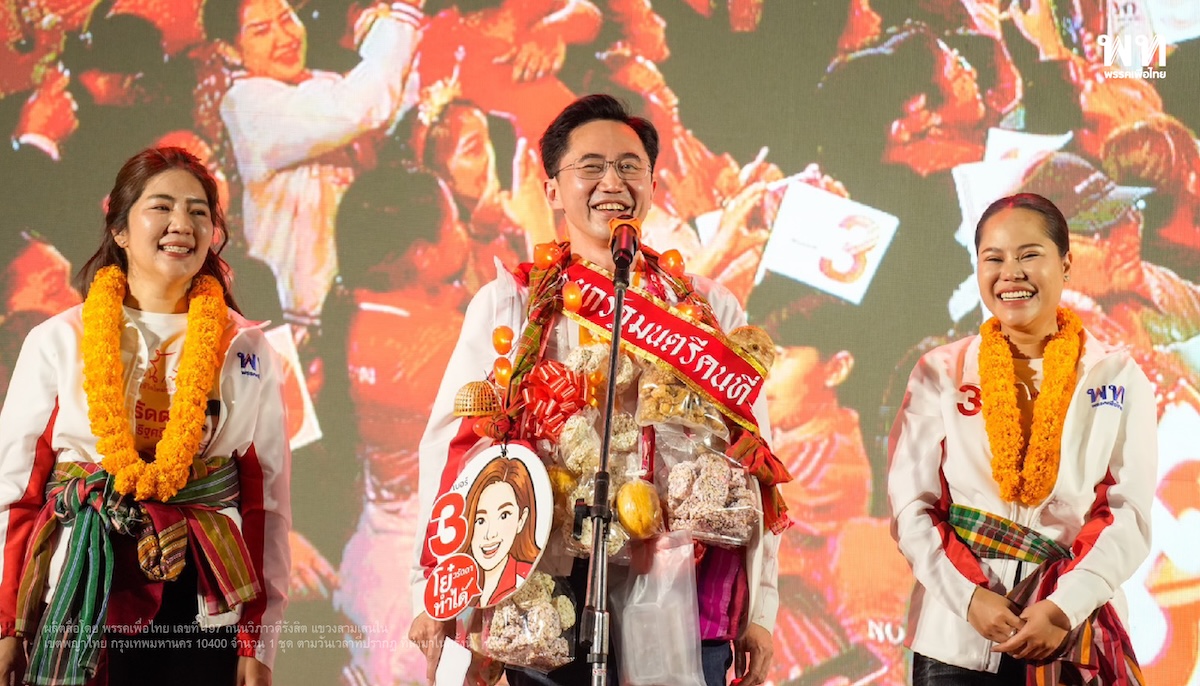
While this election is undoubtedly a defeat for the poor, it is not a deathblow, just another hurdle that will be overcome.
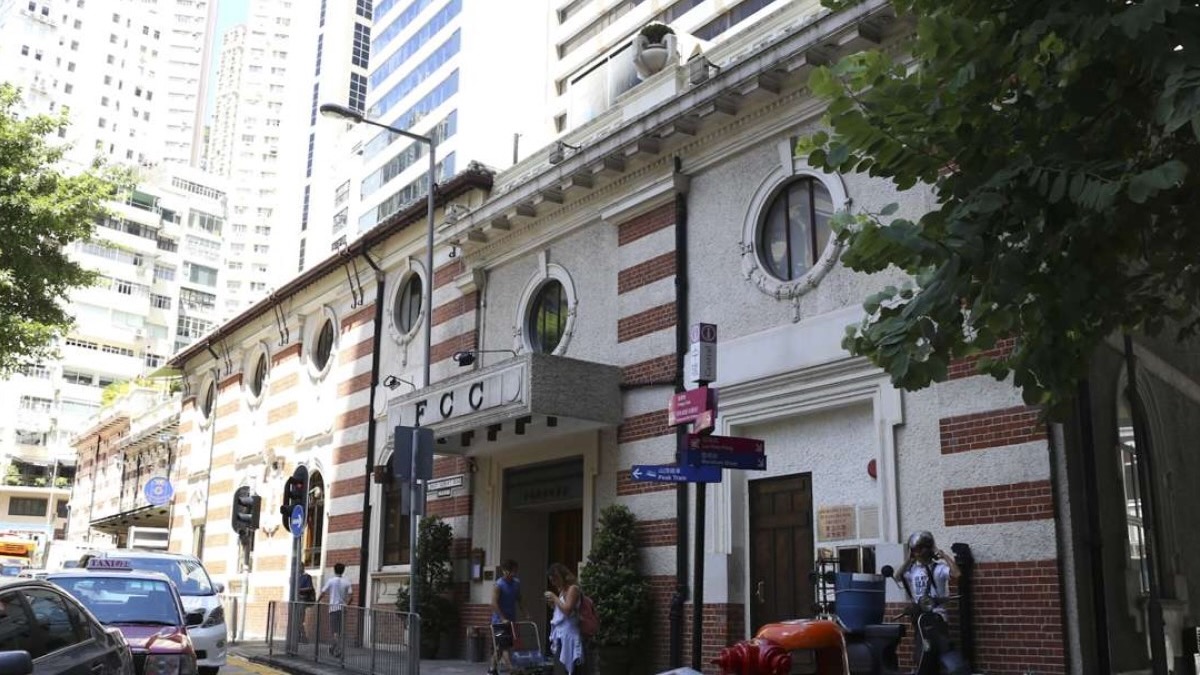
So much of Thai history is open-secrets known by the majority, the rural poor, but remains inaccessible to the Foreign Correspondents Club.
As the Global South asserts new models, Thailand’s political triad reveals a broader struggle: between indigenous, material-based populism; Westernized liberal idealism; and adaptive reactionary control.
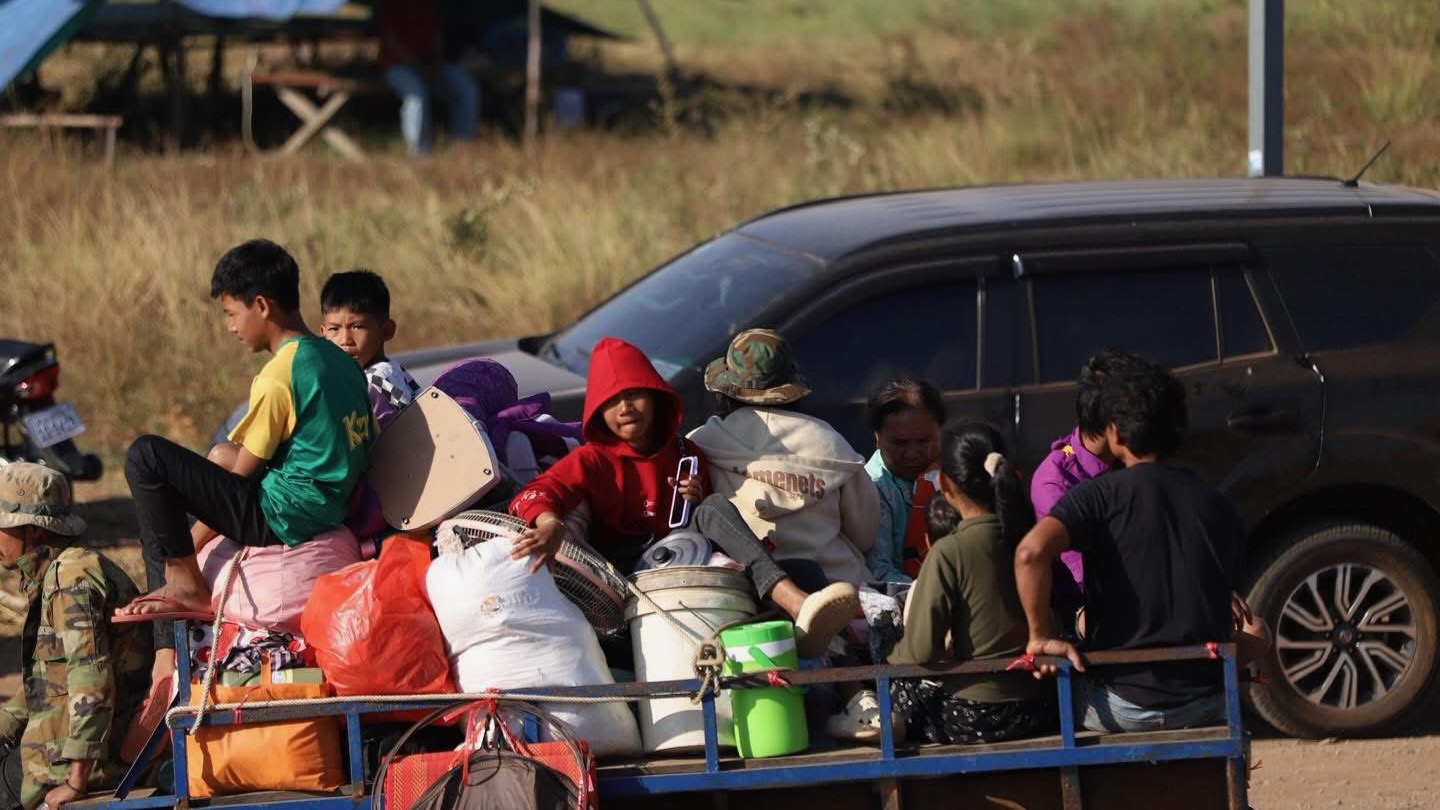
At least six people have been killed and dozens of others injured in fresh clashes between the two South-East Asian neighbors, despite a ceasefire agreement signed in October under US mediation.

Recent developments illustrate the enduring challenges of post-colonial boundaries, the difficulty of reconciling historical claims with modern realities and invisible domestic power struggles.
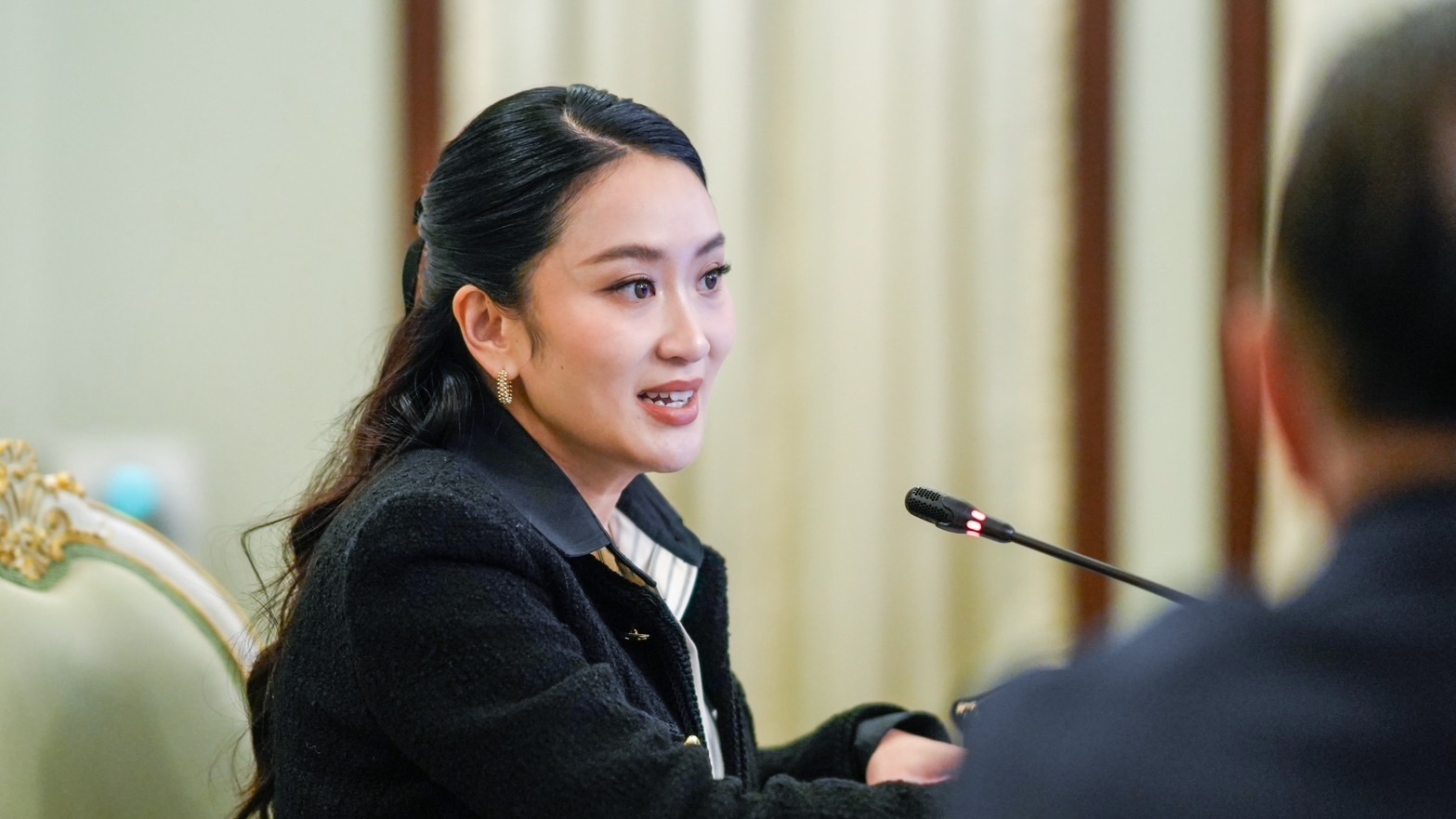
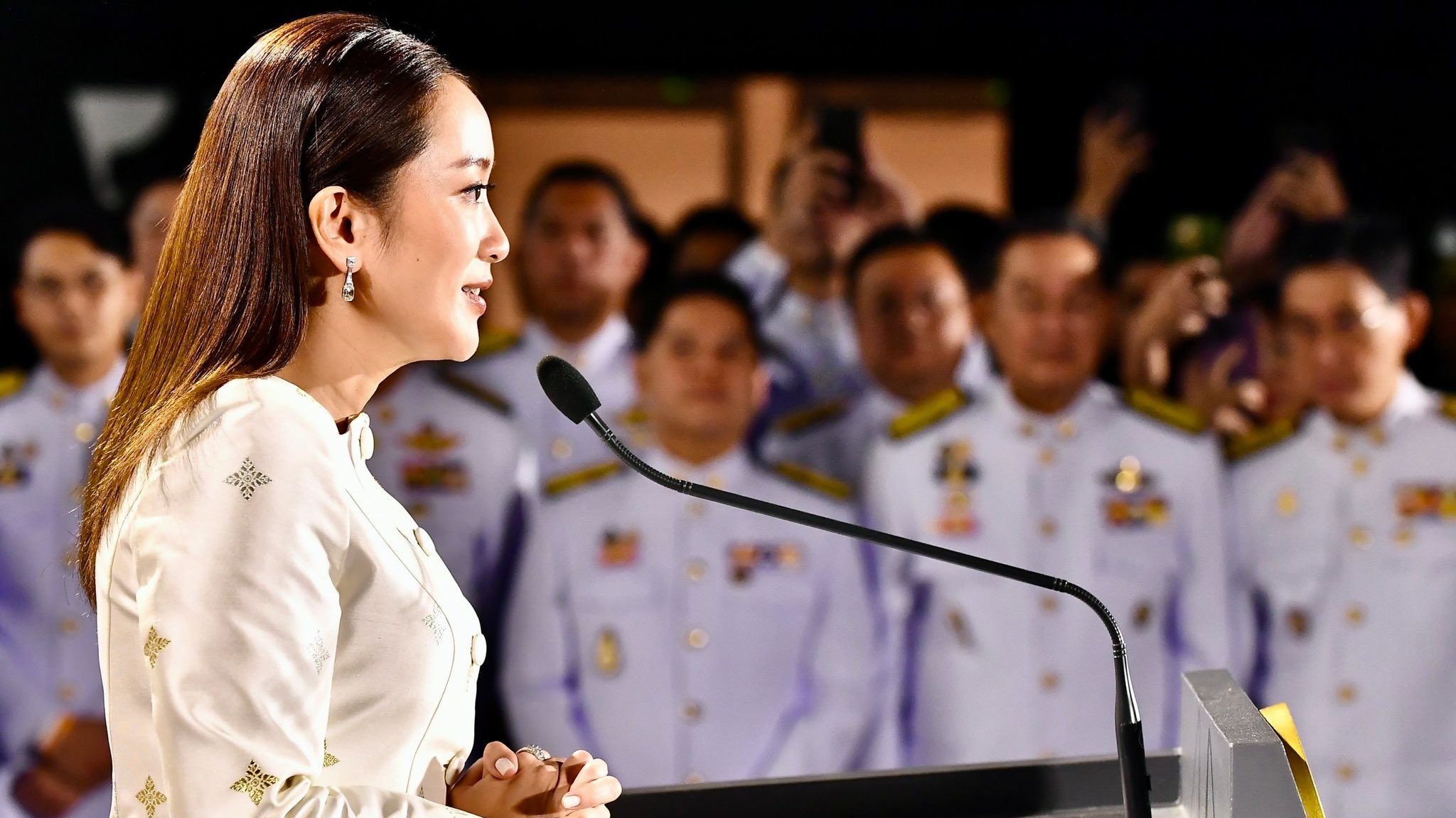
In Bangkok, there were familiar scenes as Prime Minister Paetongtarn Shinawatra was suspended on 1 July by the kingdom’s Constitutional Court in what many interpret as yet another judicial coup against the party which forms the beating heart of Thailand’s long-running Red Shirt Movement.
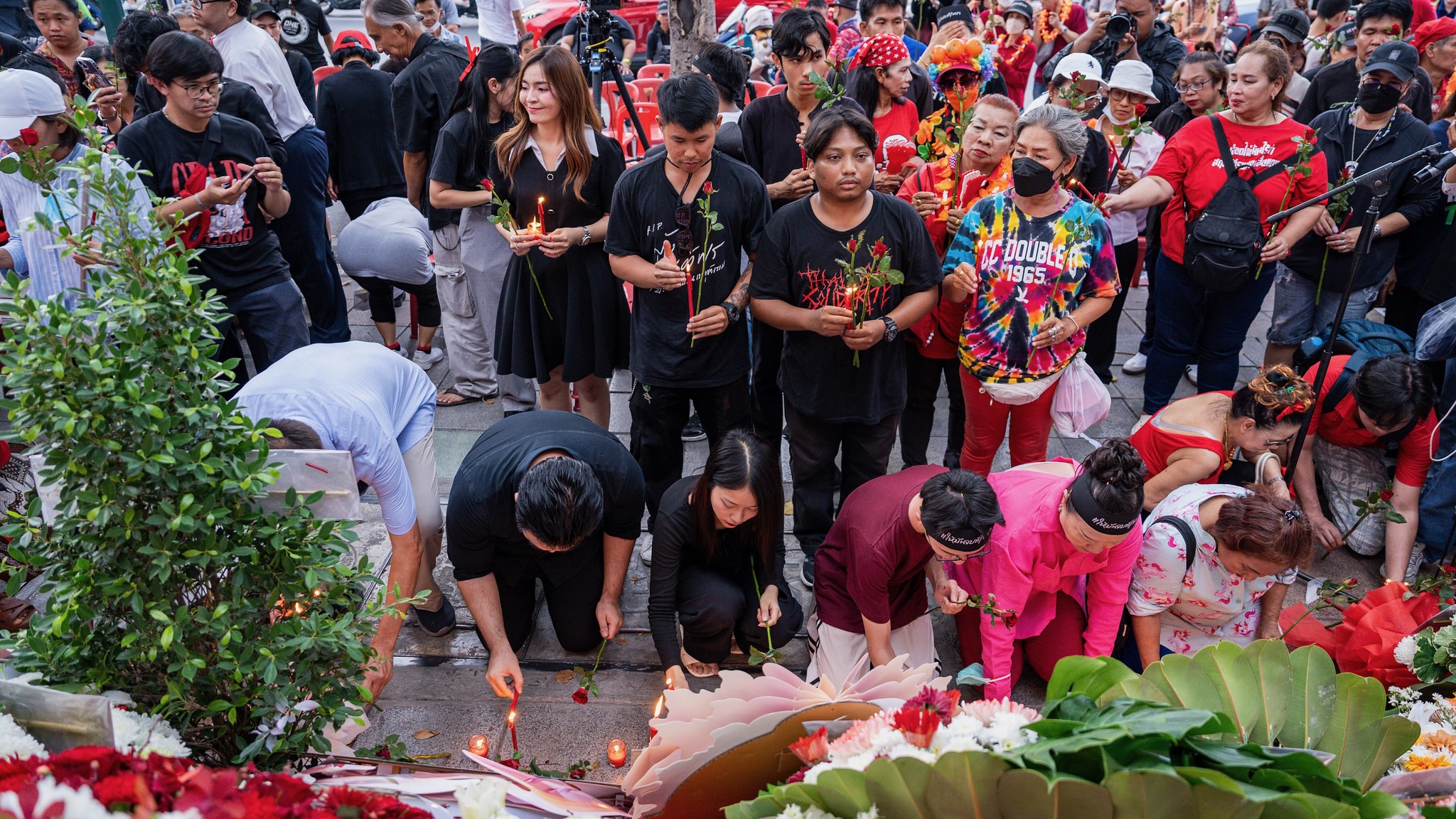
Pro-democracy movements in Thailand have demanded the removal of a section of the country’s law which allows the authorities to book dissidents for years in jail for “royal defamation.”
The largest party in the country’s parliament, the Move Forward Party, was forced to disband and its leaders were banned from politics for 10 years for demanding reforms in a law which makes criticism of the monarchy in any form punishable offense
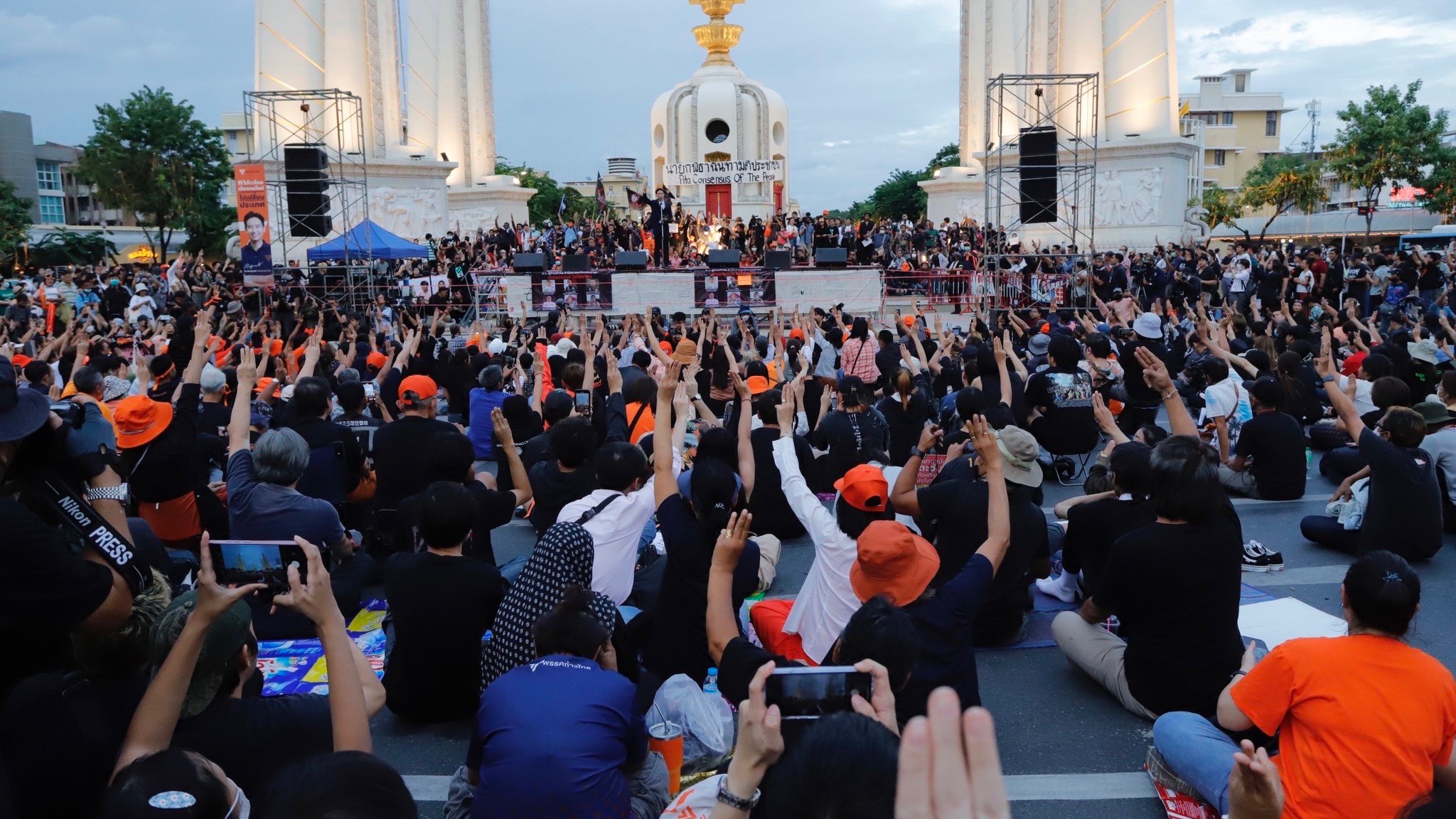
Wednesday was nothing short of high drama in Thai politics as Pita Limjaroenrat, the leader of the Move Forward Party, was also temporarily suspended from serving as a legislator by the Constitutional Court, just as parliamentarians were debating his eligibility to stand for the prime minister’s post
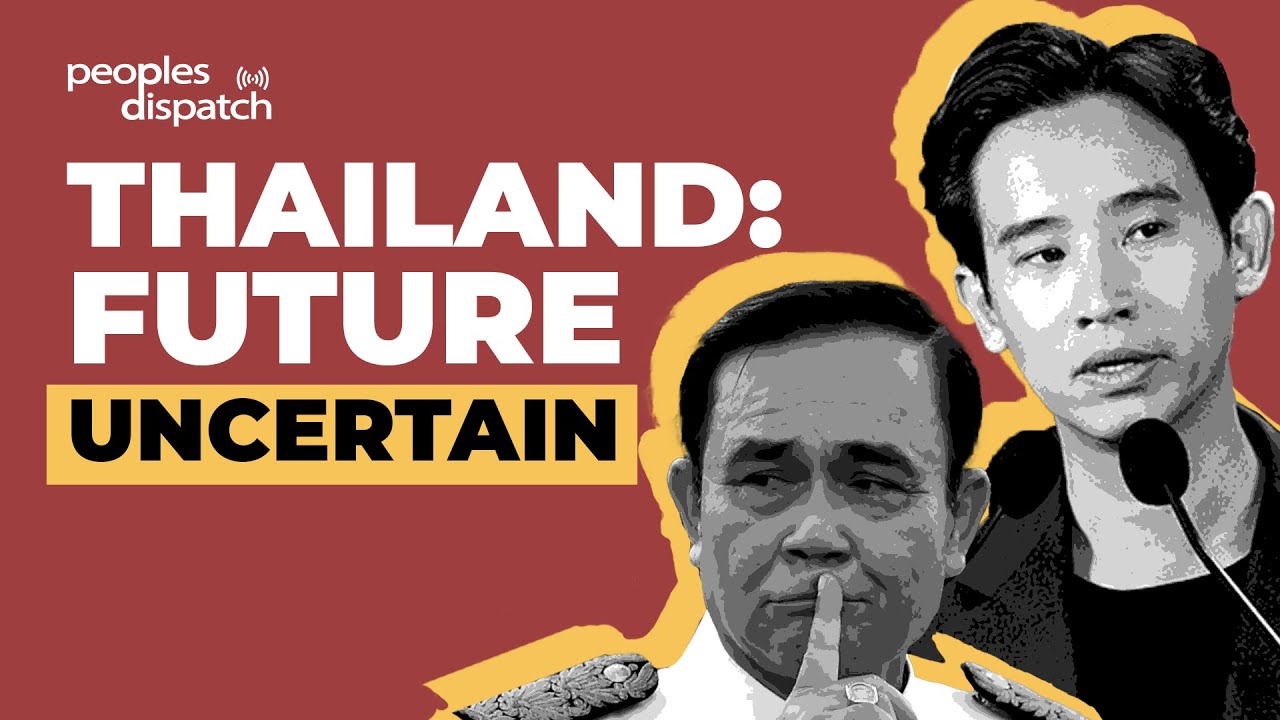
Kheetanat Wannaboworn of Focus on the Global South, provides insights into the current state of affairs in Thailand following the recent elections.
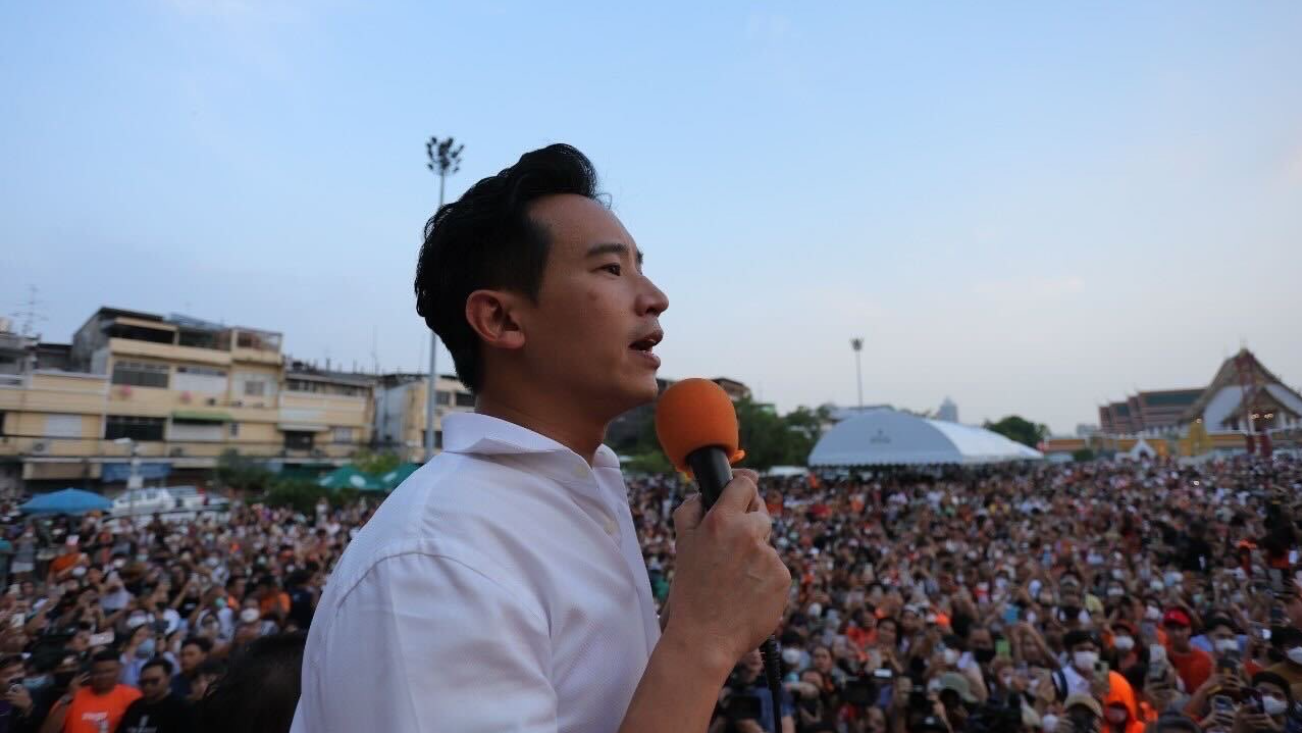
The Move Forward Party and the Pheu Thai Party emerged as the largest parties in the parliament. However, pro-junta parties still have a better chance of forming the government
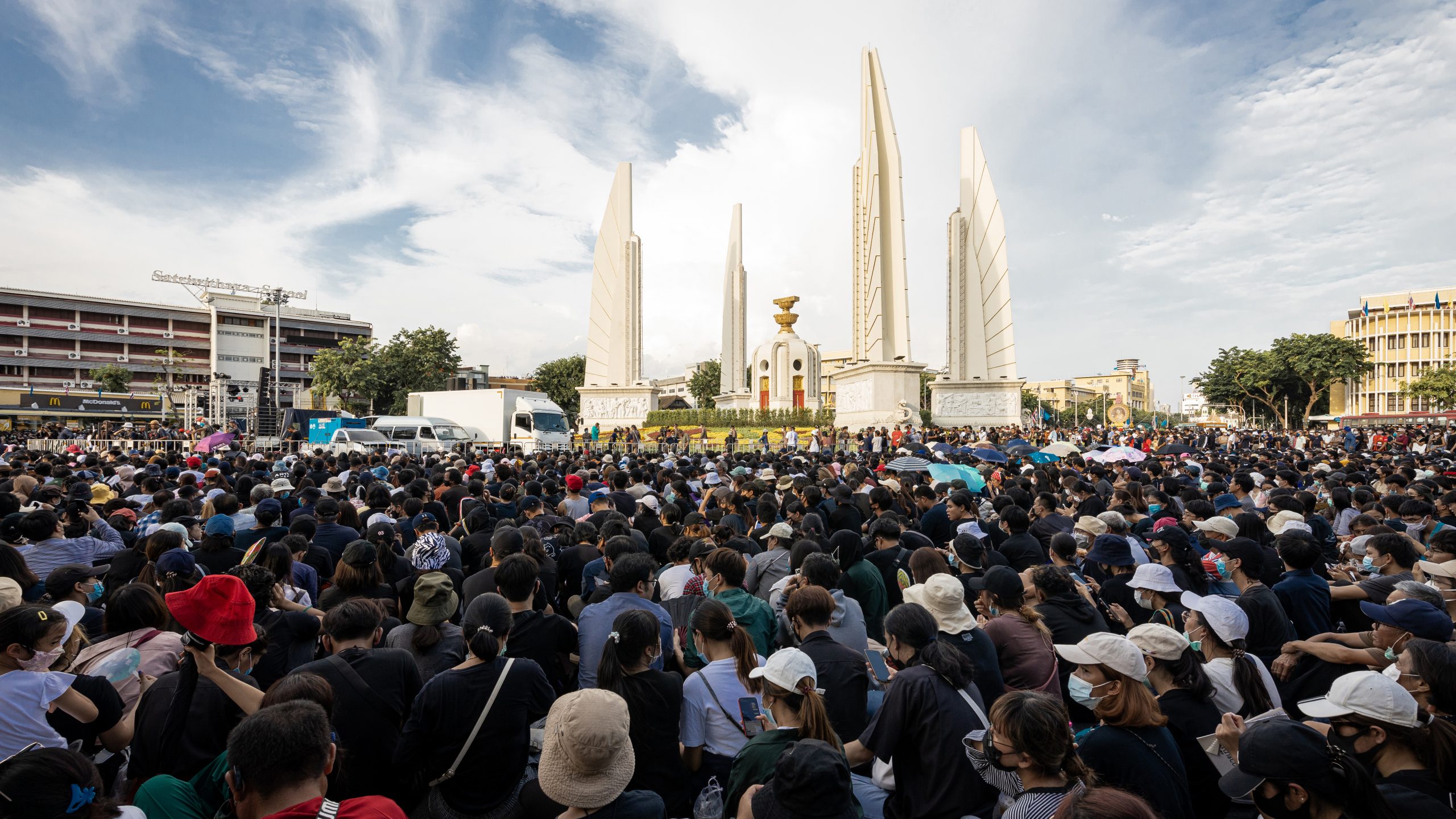
Independent candidate Chadchart Sittipunt won the governor’s election, hinting at a decline in the popularity of the incumbent prime minister Prayut Chan-o-cha
- Brazil approves end to 6×1 work schedule and reduction of the work week to 40 hours
- Israel kills 31 people in Lebanon on the eve of Eid al-Adha
- Israel carries out sixth consecutive Eid massacre in Gaza
- Far-right Janez Janša to return for fourth government term in Slovenia
- With peace deal nearly final, US launches fresh attacks on Iran