
 Half of the world’s population owns just 2% of global wealth, UN report finds
Rising inequality is reinforced by the global financial system, which privileges the wealthier countries and compels the poorer nations to transfer a substantial part of their national income to them.
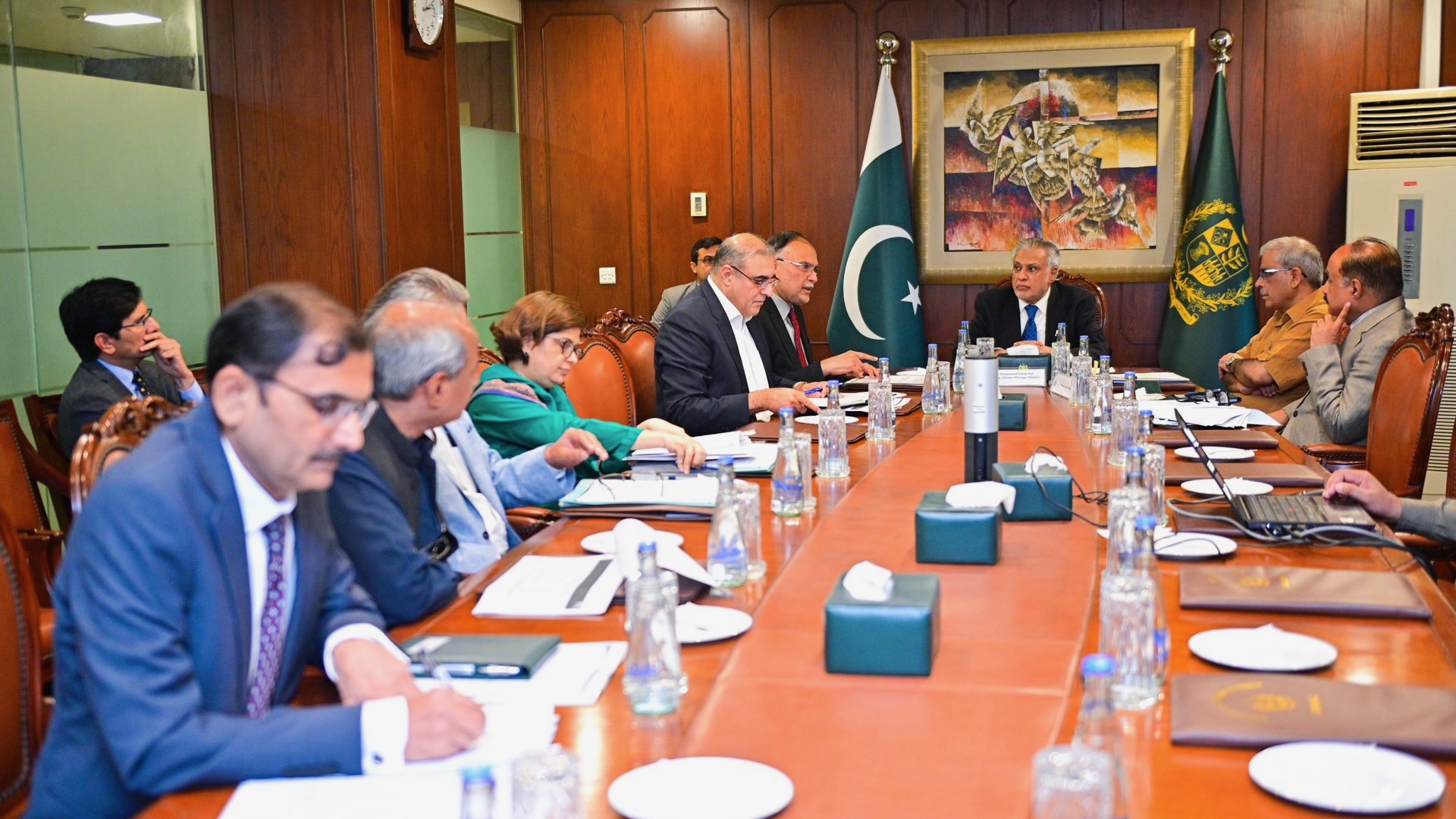 Pakistan calls for India’s compliance with the Indus Water Treaty, proposes diplomacy
In April, India put the 1960 treaty in abeyance and has refused diplomatic engagements with Pakistan, accusing it of supporting anti-India armed groups and “cross border terrorism”.
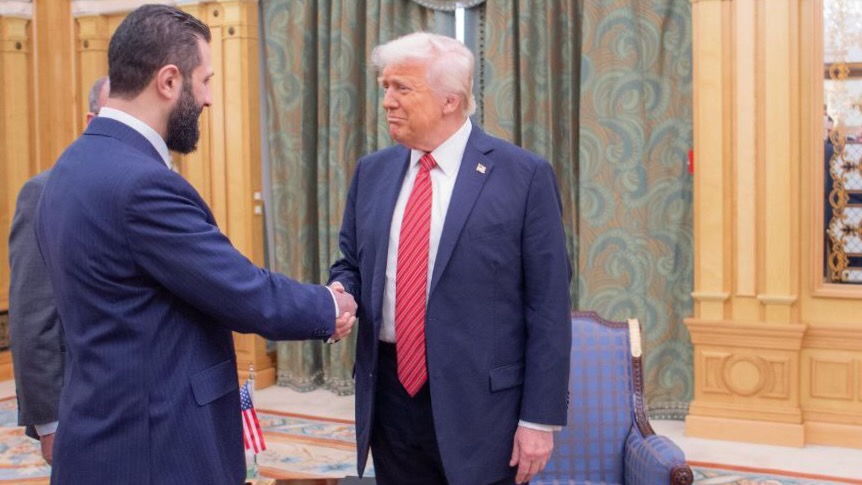 Free market economy in Syria: We’ve seen this failure before
The model the new regime seeks to implement, is a standard international recipe which includes tax cuts for corporations, and privatization of public assets.
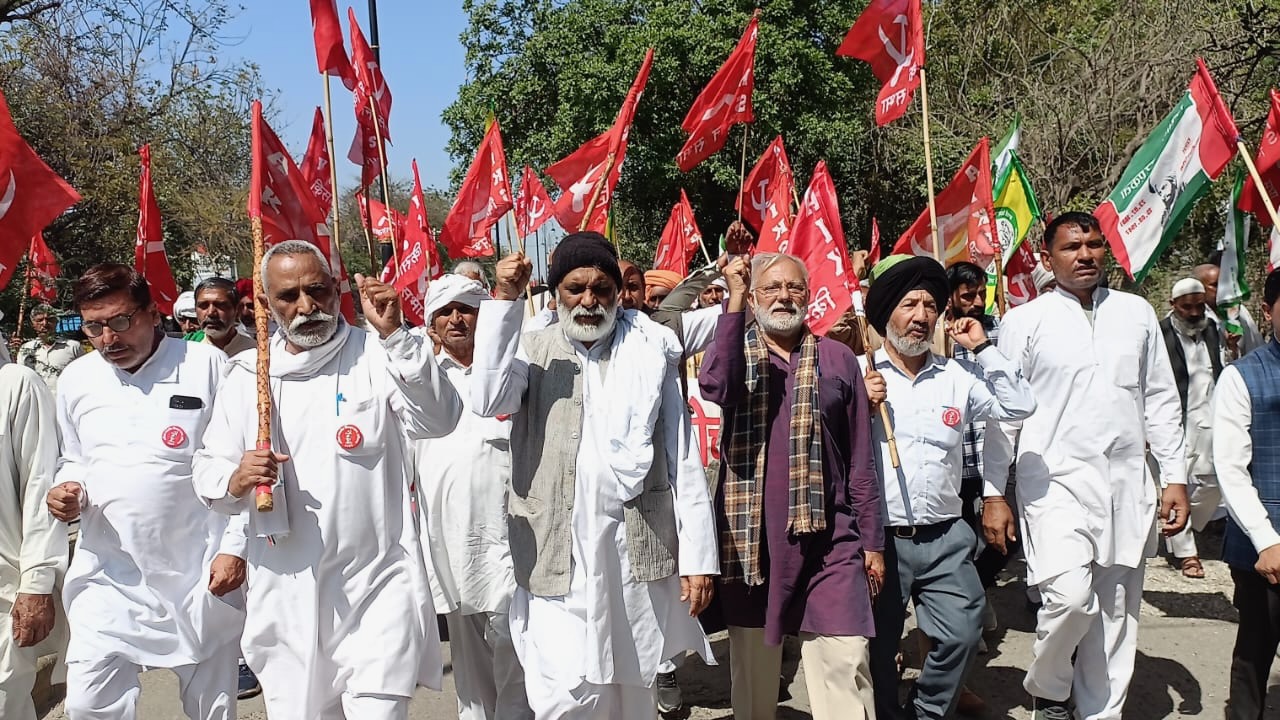 Farmers in India stand against state crackdown on their right to protest
The ultra-right-wing government led by Prime Minister Narendra Modi has been pushing for corporate entry into Indian agriculture, despite opposition from the majority of Indian farmers.
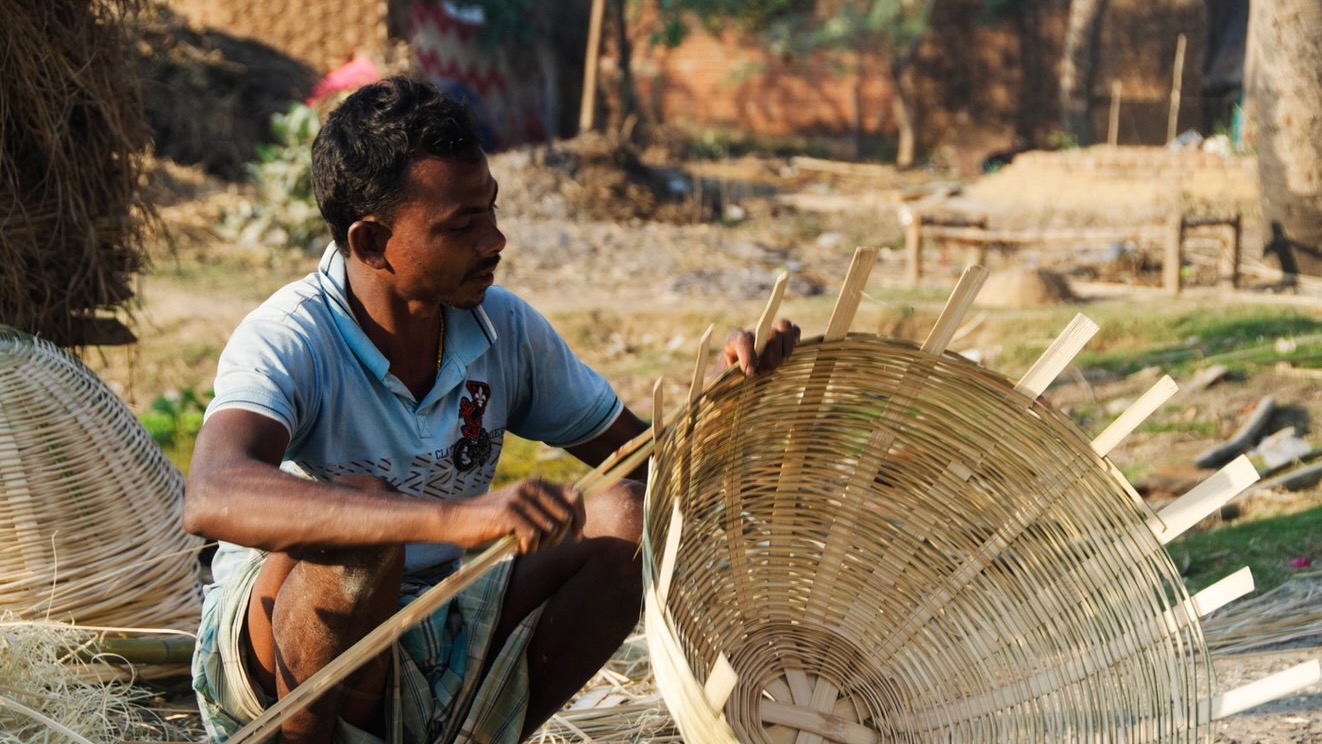 Oxfam report: Global institutions breed global inequality and need reform
This year’s Oxfam report declares that former colonial powers in the Global North extracted and continue to extract billions of dollars of wealth every year from the countries of the Global South.
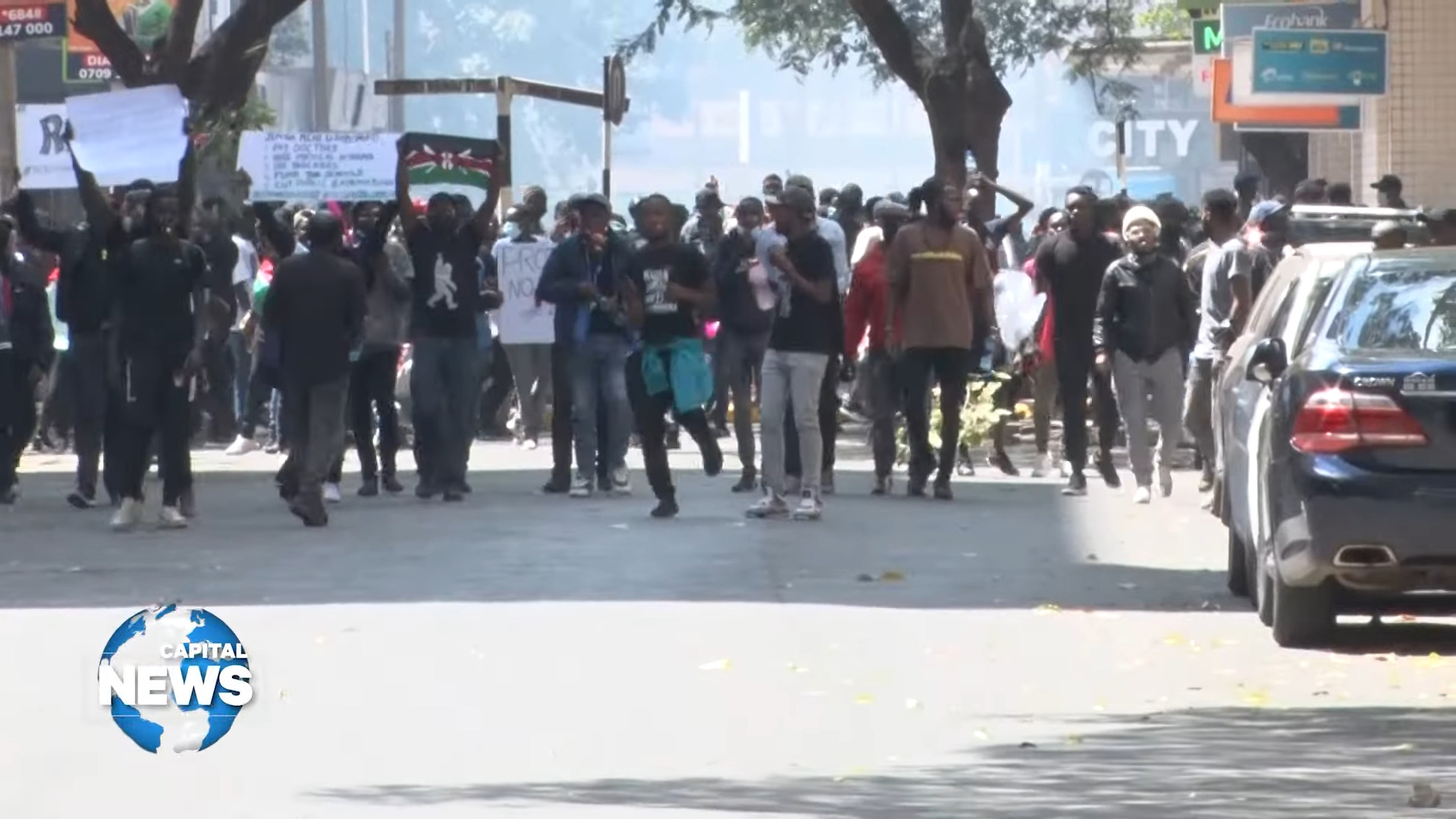 Beyond the Finance Bill: Kenya’s ongoing demand for change
The Kenyan masses have taken consistent action on the streets against institutions that uphold neoliberalism and capitalism
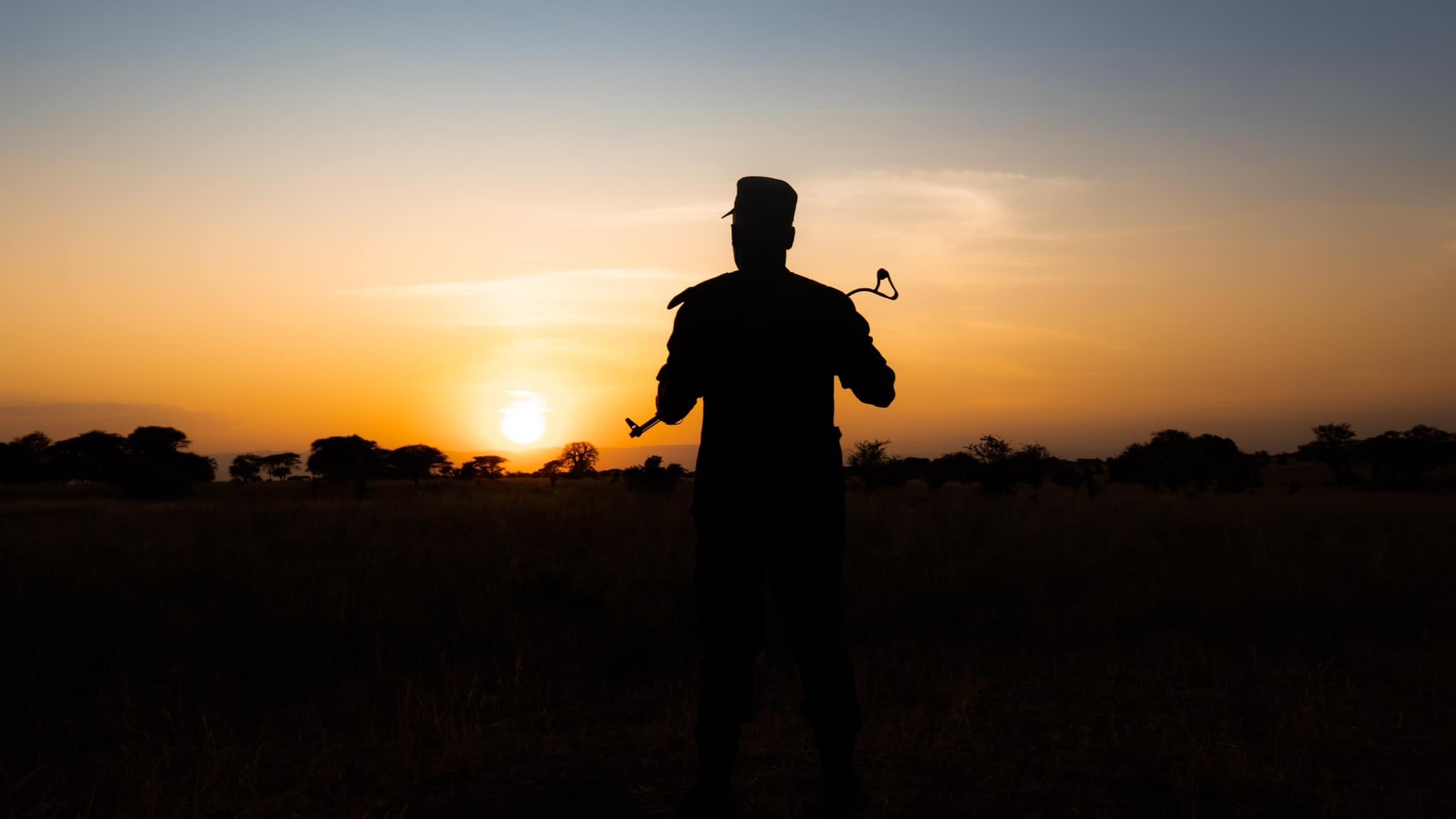 Tanzanian farmers are paying for “conservation” with their land and lives
For over 15 years, small farmers and pastoralists in Tanzania’s Mbarali have been facing threats of eviction, criminalization and violent attacks by the state to expand the Ruaha National Park
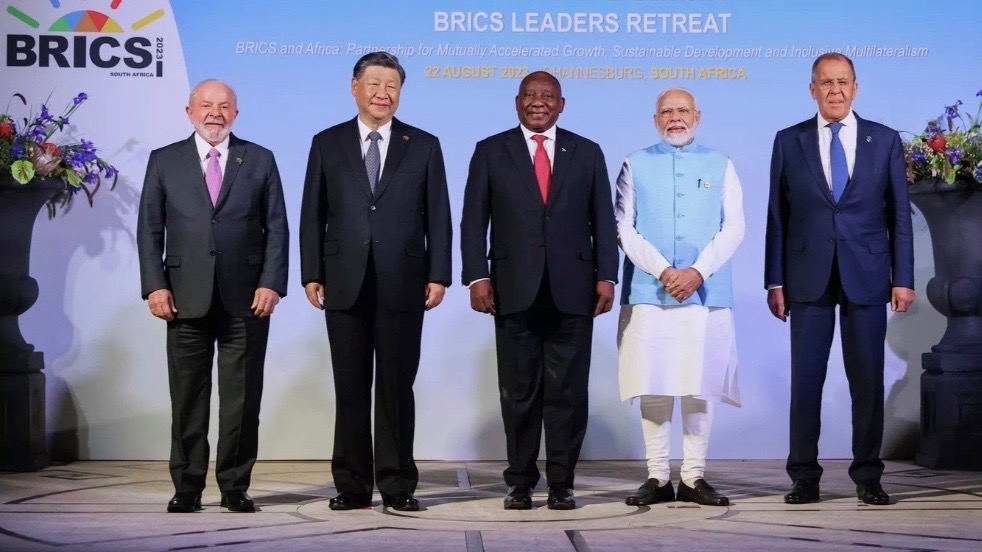 BRICS calls for global economic decision making in the interest of the majority
Policies followed by the West such as sanctions, conditionalities in loan disbursal, and dollar hegemony were the targets of speeches made by the BRICS leaders on the first and second days of the summit
 Private health companies prosper while healthcare access stagnates
A new report by Oxfam shows how investments made by development finance institutions from the Global North benefit private health companies rather than people in need of health care
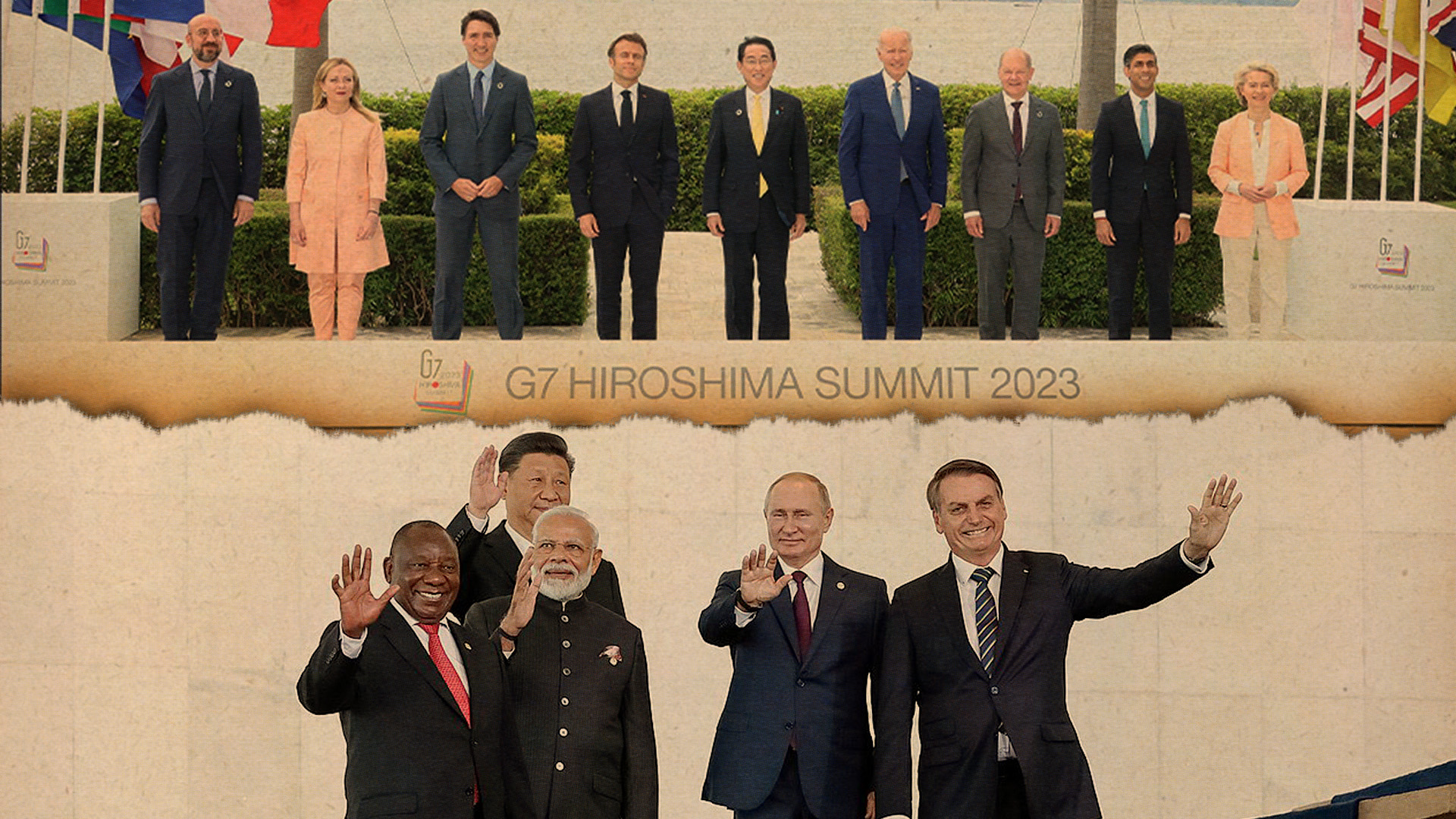 The world economy is changing—the people know, but their leaders don’t
China has been able to mobilize many other nations to resist and oppose United States and G7 policies in various global forums. The source of China’s remarkable economic growth—and the key to BRICS countries’ now successful challenge to the G7’s global economic dominance—has been its hybrid economic model
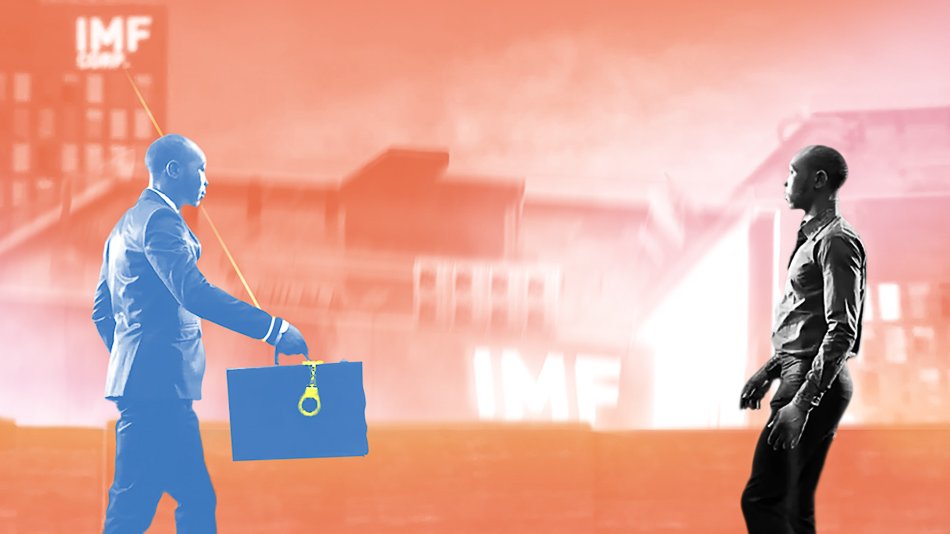 Economy must be ‘at service of life’: resisting debt and neocolonialism in Africa
A dossier and accompanying discussion hosted by the Tricontinental Institute for Social Research interrogates the vicious cycle of debt rooted in neocolonial extraction that continues to trap countries across the African continent
 Multilateral banks debunk Indian government’s claims on growth rate
The so-called theory of trickle-down effect projected by the government (high prosperity of the rich flows down to enhance the economic welfare of the poor) has been debunked by the data on the growing gap between the rich and the poor in the country, rising poverty, unemployment, and the perpetually rising prices
- Brazil approves end to 6×1 work schedule and reduction of the work week to 40 hours
- Israel kills 31 people in Lebanon on the eve of Eid al-Adha
- Israel carries out sixth consecutive Eid massacre in Gaza
- Far-right Janez Janša to return for fourth government term in Slovenia
- With peace deal nearly final, US launches fresh attacks on Iran