
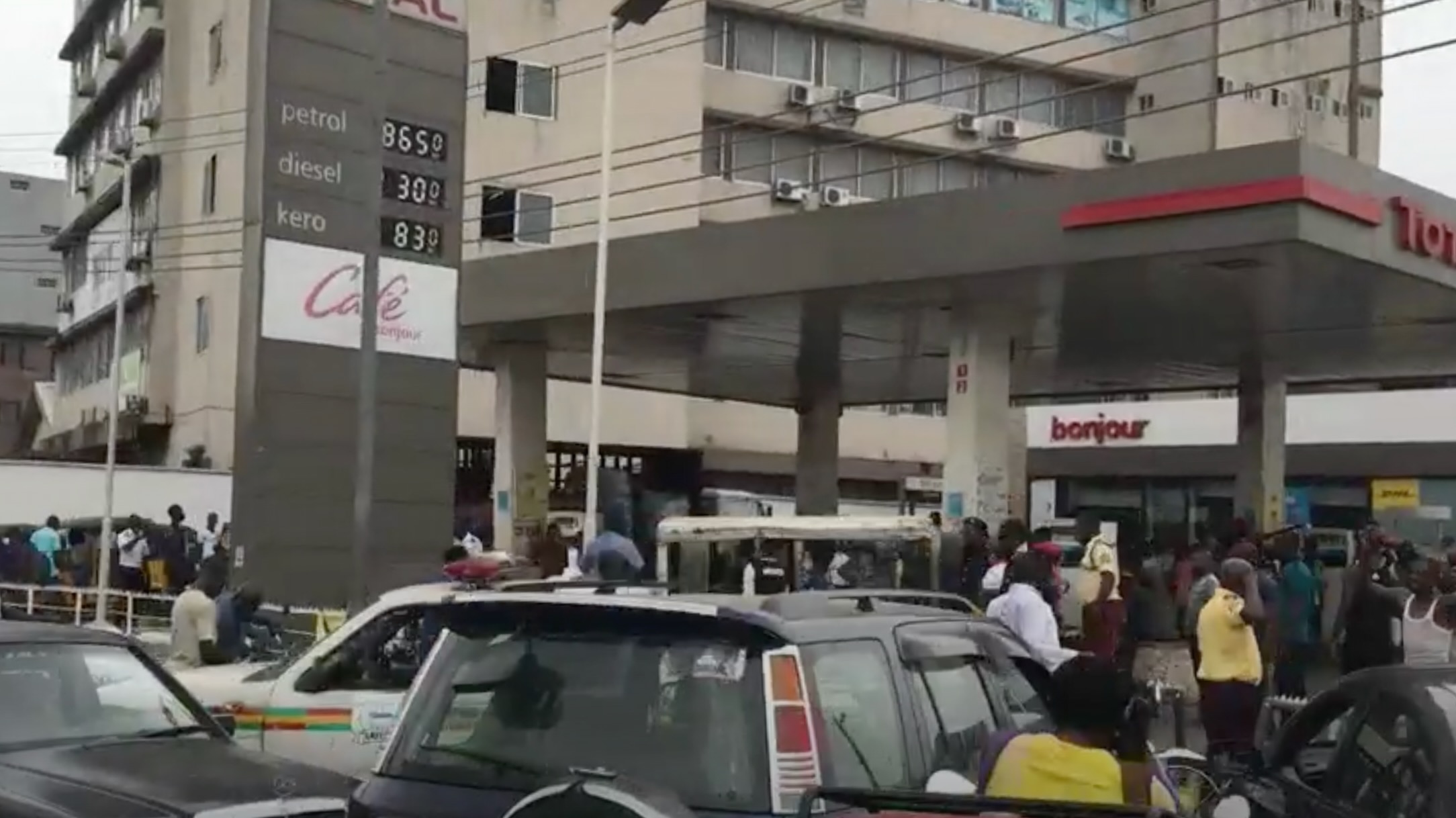
Not because of the war on Iran, a presidential aide has clarified, explaining that it is rather a consequence of the government’s own implementation of IMF-prescribed reforms.
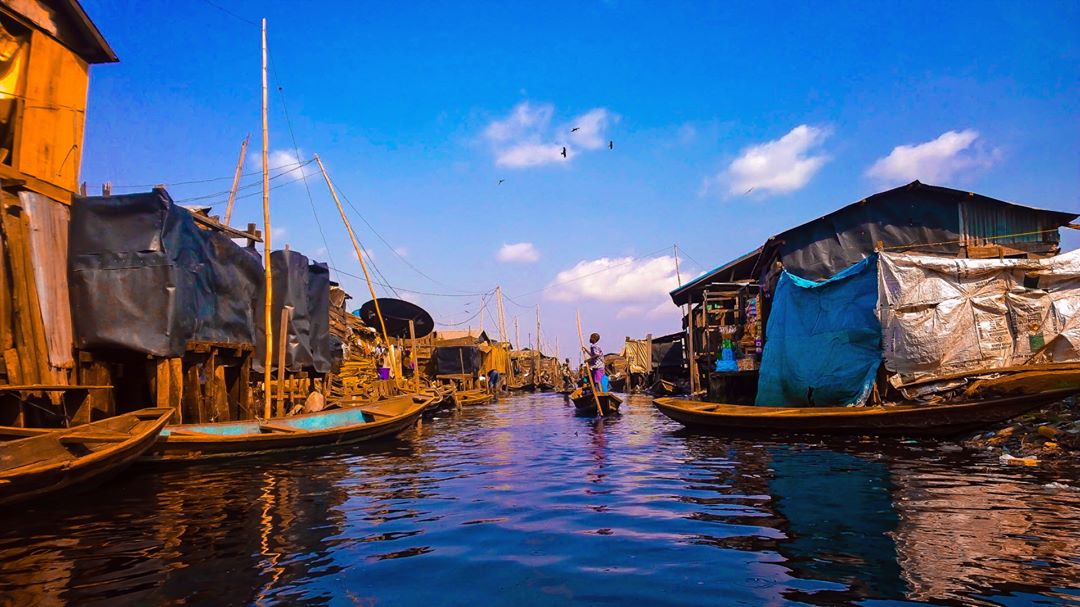
After displacing over 10,000 residents from Nigeria’s largest informal settlement on the Lagos waterfront, eyed by investors as prime real estate in Africa’s second largest city by economy, the demolitions have been halted “until further notice”.
Analysts argue that framing the conflict as religious persecution masks a deeper geopolitical struggle over Nigeria’s enormous mineral wealth.
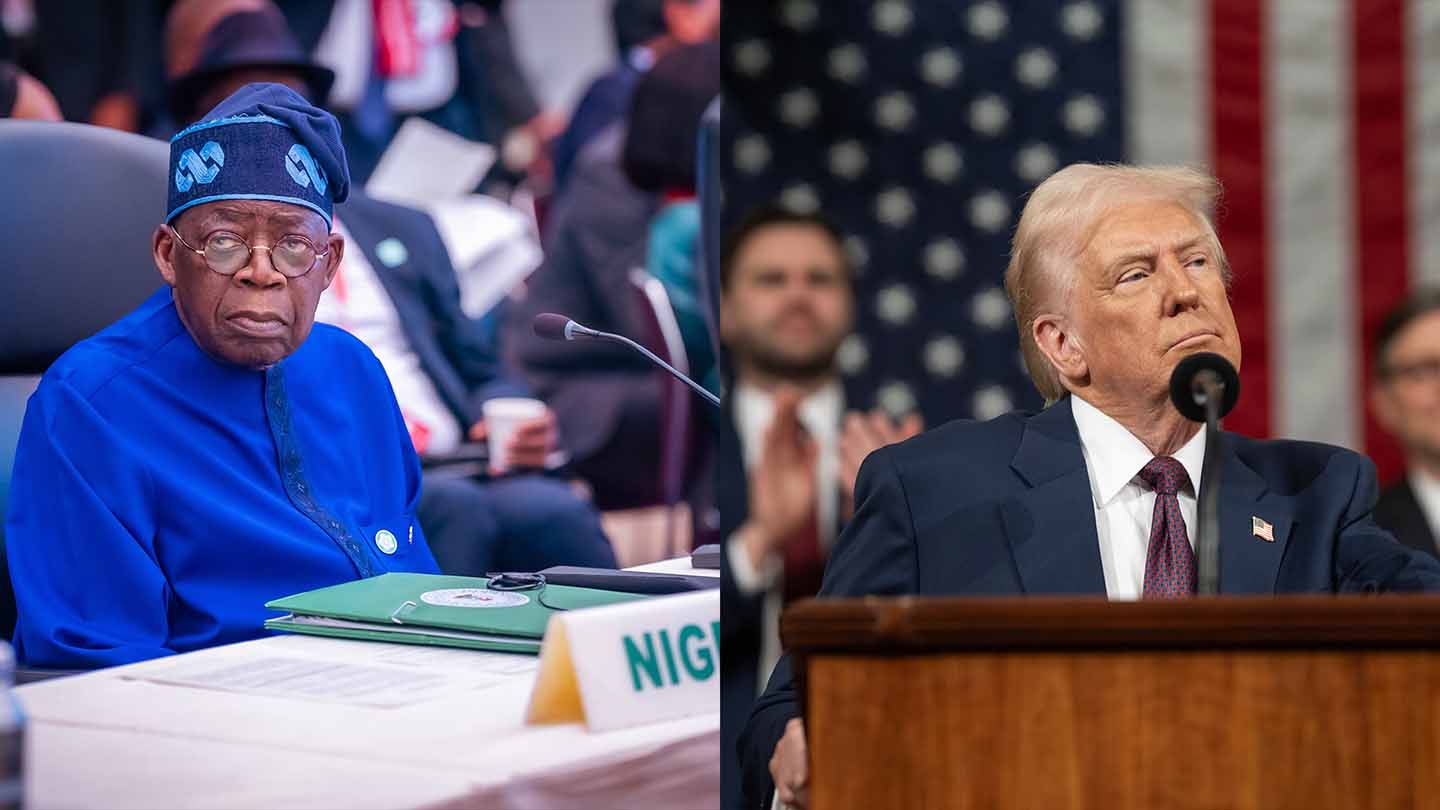
“We know the heart and intent of Trump is to help us fight insecurity,” states the spokesperson of Nigeria’s President Bola Tinubu, who has time and again demonstrated his loyalty to the West.
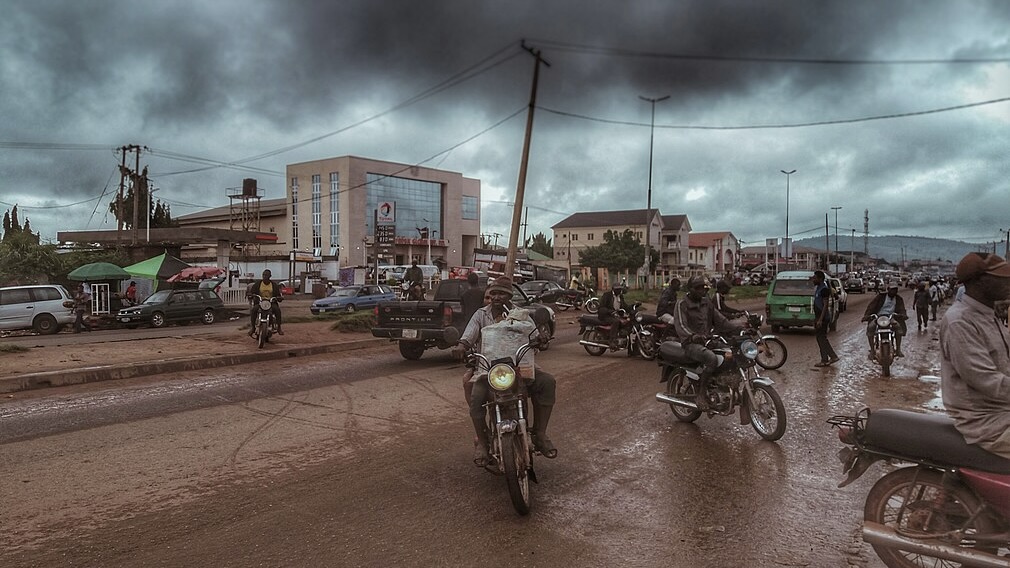
Acknowledging that the implementation of its reforms coincided with an increase in poverty, the World Bank nevertheless calls on Nigeria to stay the course.
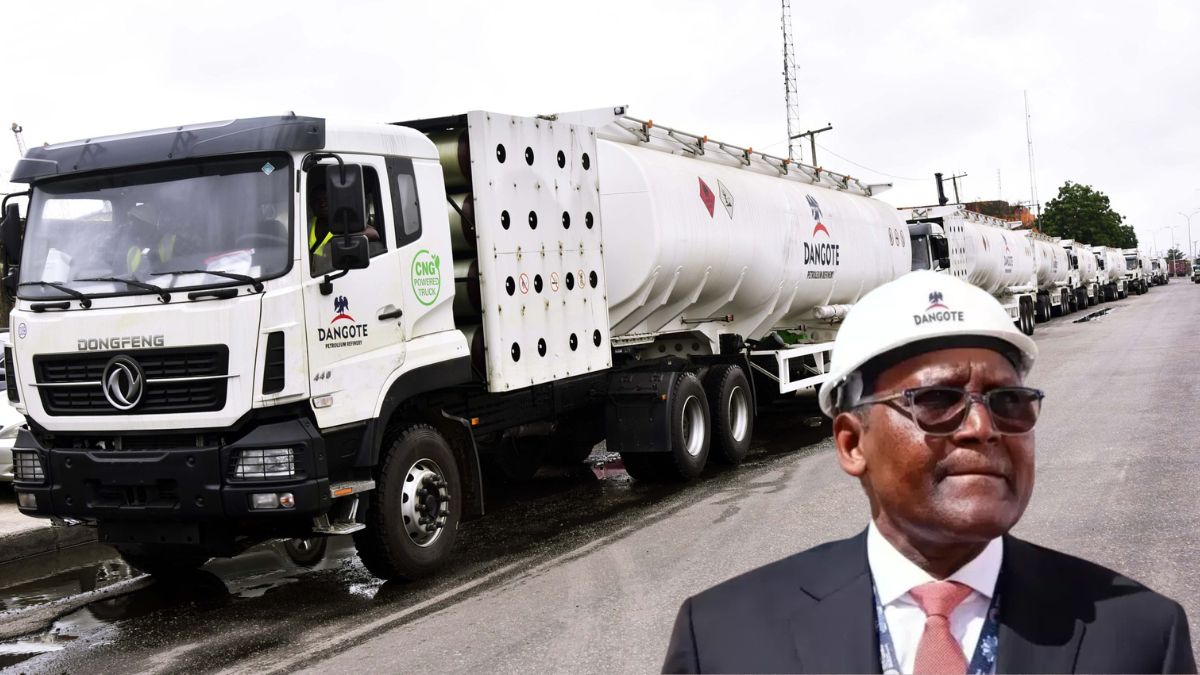
After dominating sub-Saharan Africa’s cement production and cornering large portions of its market in sugar, salt, and packaging industries, the Nigerian multinational conglomerate Dangote Group is moving fast to monopolize fuel distribution.
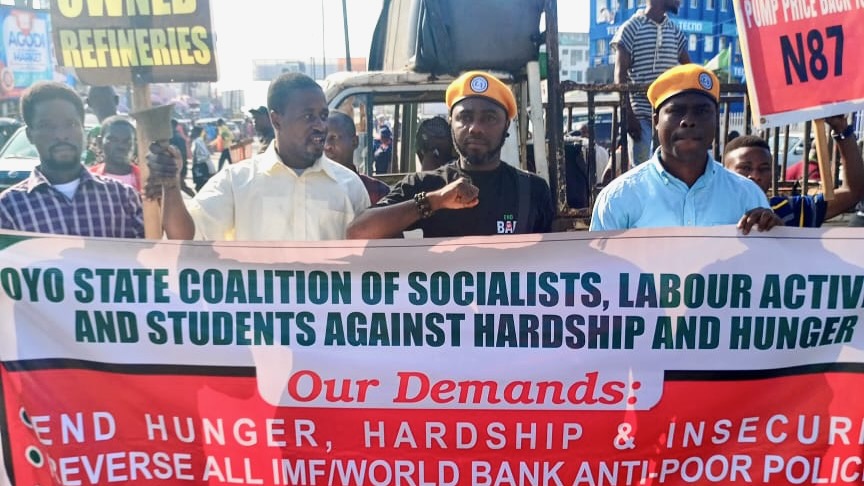
After causing widespread hunger in Nigeria by furthering IMF-prescribed neoliberal reforms, President Bola Tinubu’s agriculture ministry organizes prayer and fasting for food security.
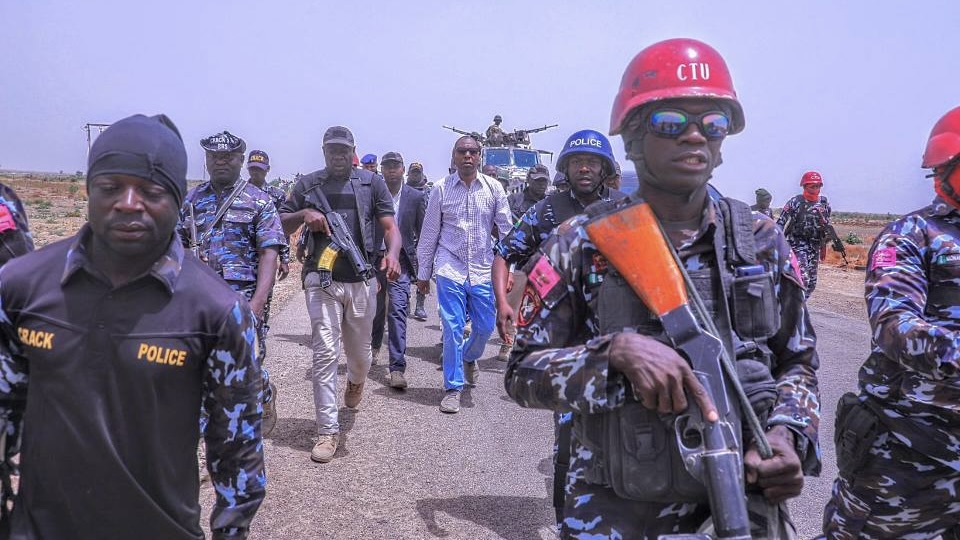
Only one of over 300 towns and villages of a Local Government Area in Nigeria’s northeastern state of Borno remains in government control, Governor warns.

At least 1.5 million tons of crude oil has been split in the Niger Delta since 1958, according to the UN’s Environment Program (UNEP).
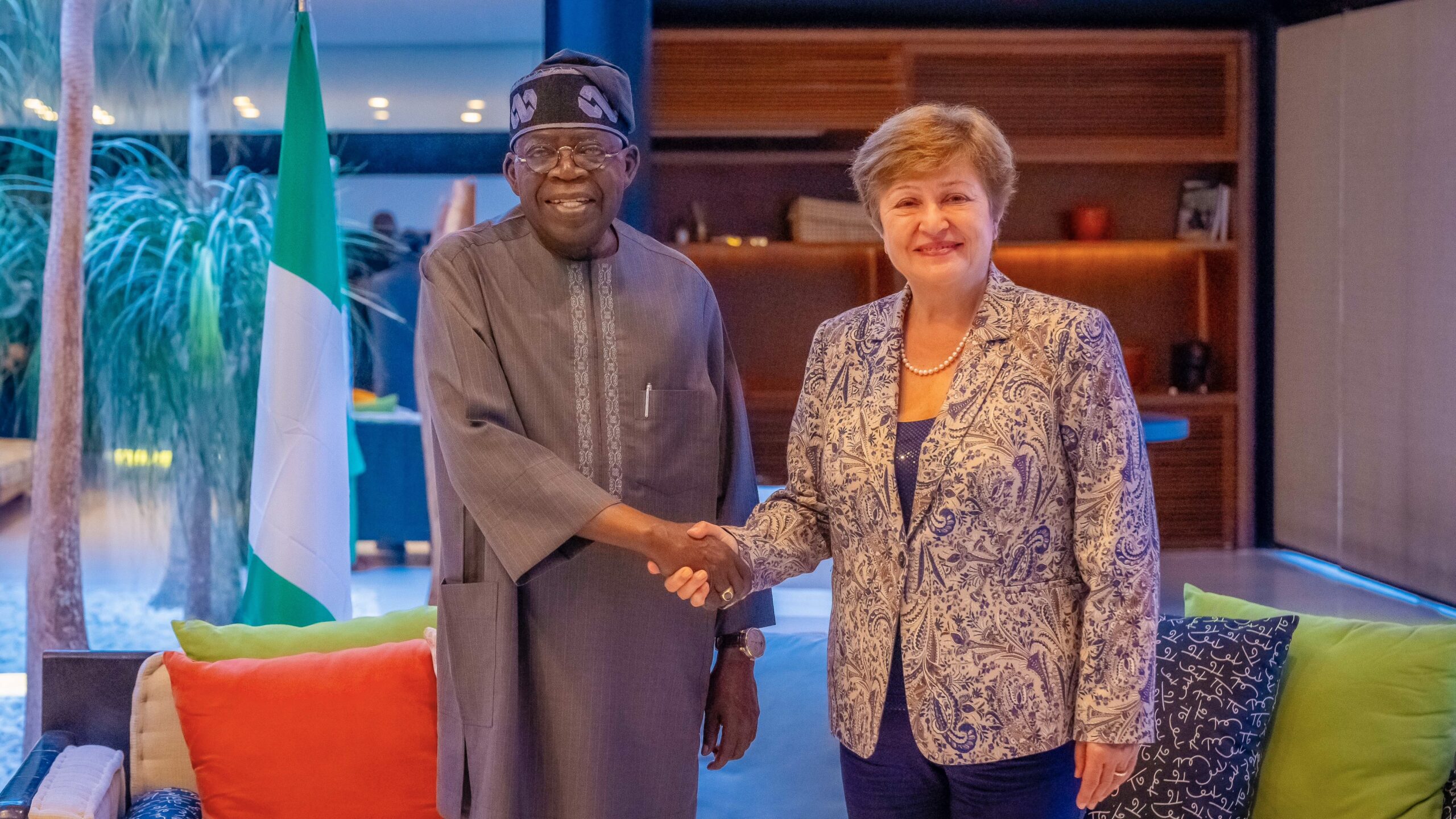
After dozens died in stampedes, Nigerian President Bola Tinubu remarked, “We should just get on with it.” Tinubu’s IMF-prescribed policies have more than doubled food prices in the country, condemning millions more to hunger.
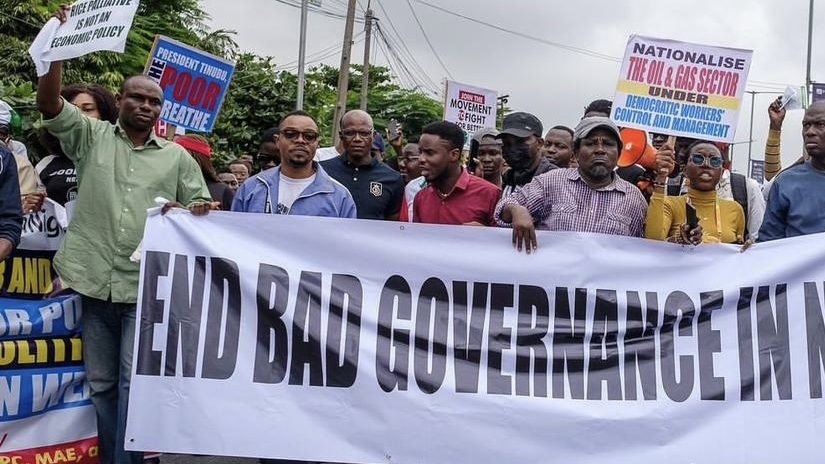
Nigerian President and alleged CIA asset Bola Tinubu implemented a nation-wide crackdown on protests against hunger and the cost-of-living crisis, resulting in dozens of deaths
President Bola Tinubu’s lifting of fuel subsidies and liberalization of currency trade has pleased the IMF and increased hunger in Africa’s most populous country
- Brazil approves end to 6×1 work schedule and reduction of the work week to 40 hours
- Israel kills 31 people in Lebanon on the eve of Eid al-Adha
- Israel carries out sixth consecutive Eid massacre in Gaza
- Far-right Janez Janša to return for fourth government term in Slovenia
- With peace deal nearly final, US launches fresh attacks on Iran